
 Save to Pinterest
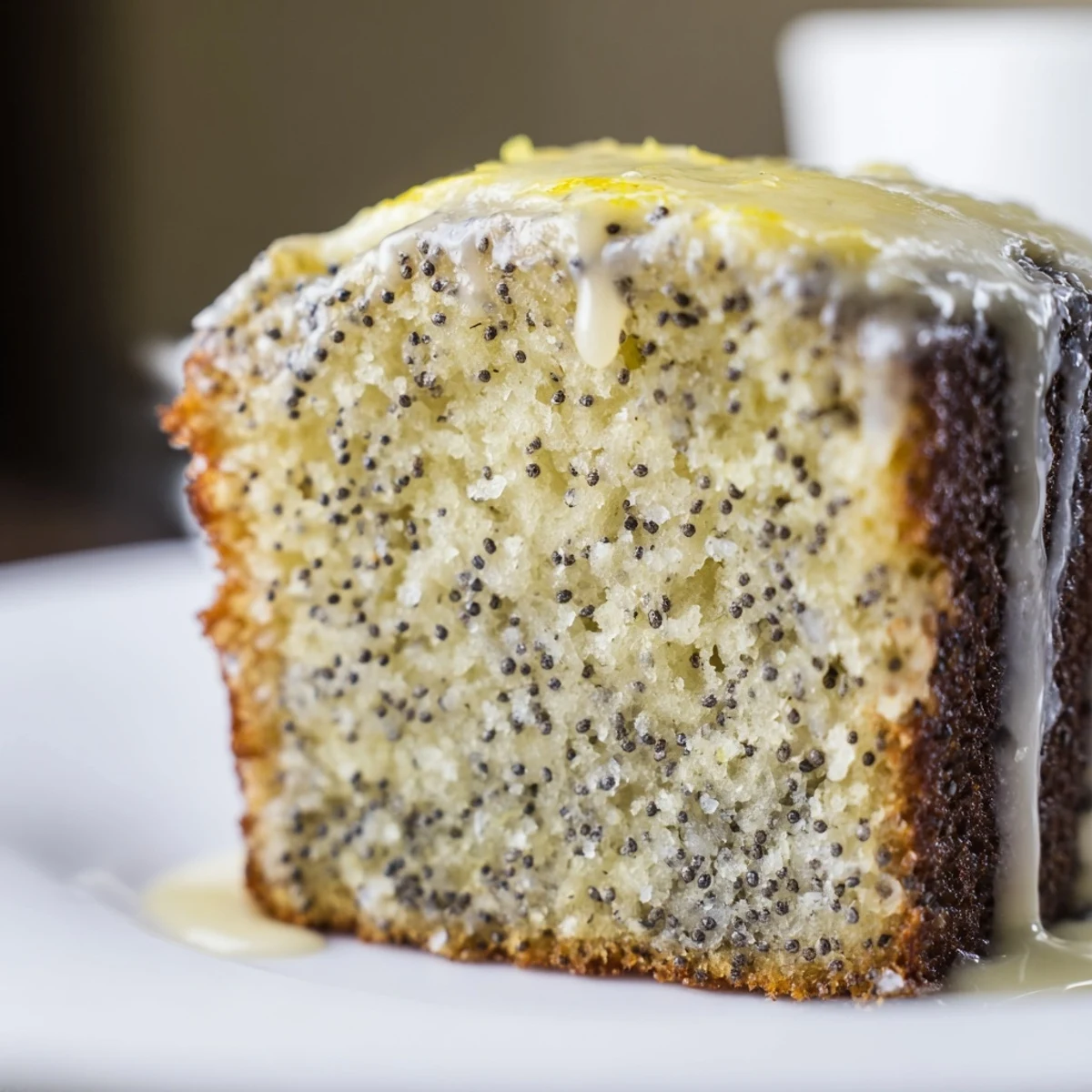
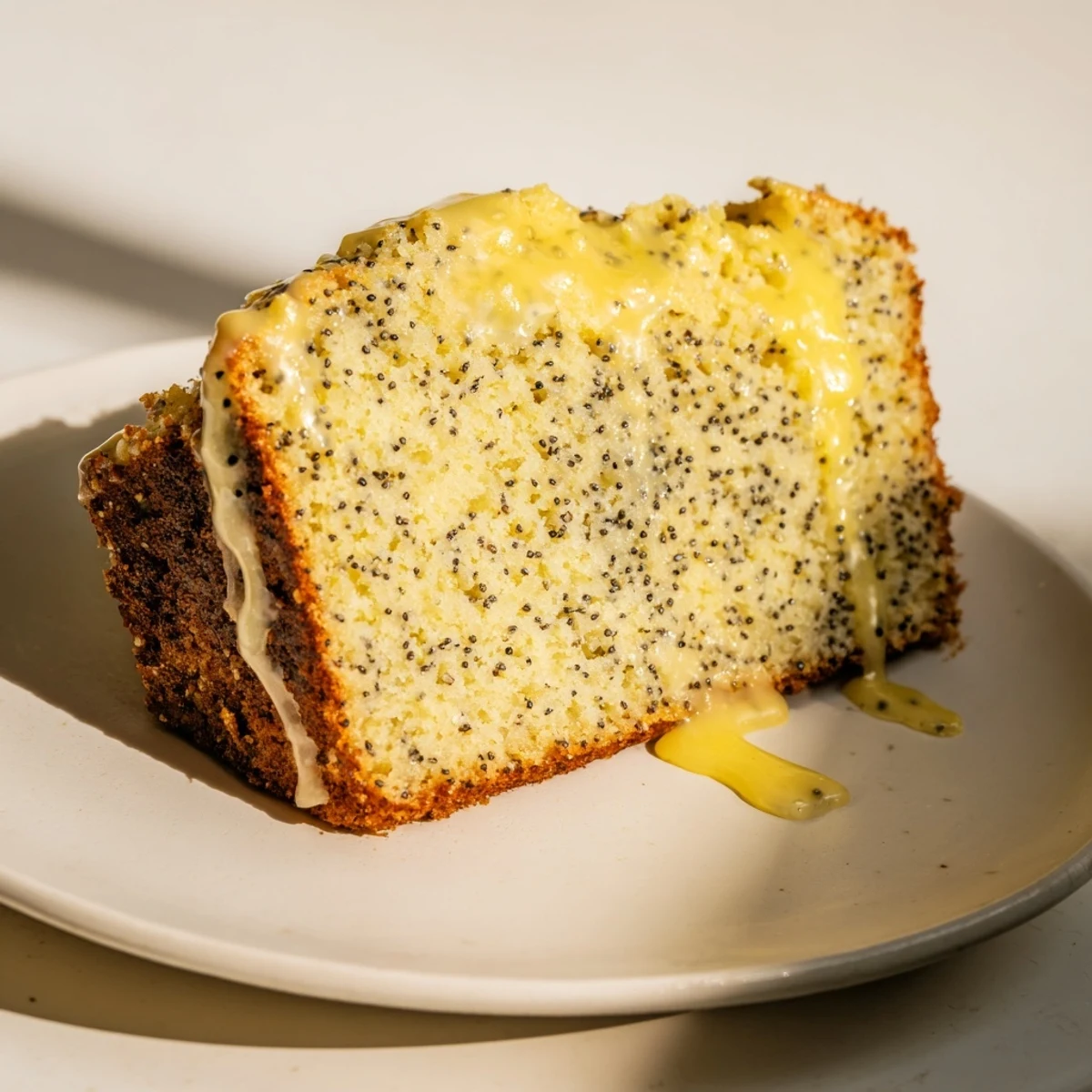
 This moist, aromatic cake combines nutty poppy seeds with bright citrus zest and juice for a flavorful experience. Soft butter and sugar create a tender crumb while eggs and milk provide structure and moisture. Baking at 350°F ensures a golden exterior and fluffy interior, ideal for slicing and serving with whipped cream or fresh berries. Easily customizable with orange zest or a lemon glaze to elevate its bright flavors.
There's something about the smell of poppy seeds toasting in a warm kitchen that instantly transports me to my grandmother's apartment in Vienna, where this cake appeared every Sunday without fail. She'd let me pour the tiny seeds into the measuring cup, and I'd marvel at how something so small could taste so distinctly nutty and complex. The first time I made it myself, I was surprised by how the lemon cuts through the richness—it wasn't what I expected, but it was exactly what I needed.
I baked this for a book club meeting once, and everyone went quiet after their first bite—not the polite quiet, but the genuine 'I'm too busy enjoying this' kind of quiet. Someone asked if it was from a bakery, and I actually felt a little proud admitting I'd made it that morning.
Ingredients
- All-purpose flour (2 cups / 250 g): The foundation that keeps the crumb tender; don't sift it unless your flour is particularly compacted, since that can make the cake dense.
- Poppy seeds (1 cup / 150 g): These are the star, so buy them from a source with good turnover to ensure they're fresh and flavorful rather than stale and flat.
- Baking powder (2 tsp): This lifts the cake and keeps it from becoming a brick; make sure yours isn't expired or you'll be disappointed.
- Salt (1/2 tsp): A small amount that quietly amplifies every other flavor without making the cake taste salty.
- Unsalted butter (1 cup / 225 g), softened: Softened means it should leave a slight indent when you press it; if it's too cold, your creaming won't be light and fluffy.
- Granulated sugar (1 cup / 200 g): This creams with the butter to trap air, which is what makes this cake rise and stay moist.
- Large eggs (4): Room temperature eggs mix more smoothly into the batter and create a better texture; let them sit out for 15 minutes if you remember.
- Vanilla extract (1 tsp): A small amount that deepens the poppy seed flavor in a way you won't quite be able to identify.
- Lemon zest (from 1 lemon): Use a microplane if you have one to avoid the bitter white pith, and be generous because this is your citrus punch.
- Milk (1/2 cup / 120 ml): This keeps the batter tender and helps the poppy seeds distribute evenly throughout.
- Freshly squeezed lemon juice (1/4 cup / 60 ml): Fresh juice tastes noticeably brighter than bottled; if you only have bottled, that's okay, but fresh is worth the extra minute.
Instructions
- Get your oven and pan ready:
- Preheat your oven to 350°F (175°C) and prepare a 9-inch (23 cm) round cake pan by greasing it generously or lining it with parchment paper. This step matters because a dry pan will cause sticking, and you want that first slice to come out cleanly.
- Combine the dry ingredients:
- In a medium bowl, whisk together the flour, poppy seeds, baking powder, and salt until everything is evenly distributed. Set this aside and try not to nibble on the poppy seeds (I always do).
- Cream the butter and sugar:
- Beat the softened butter and sugar together for about 3 minutes until the mixture looks pale and fluffy, like frosting. This is where the magic starts; you're incorporating air that will make the cake rise and stay light.
- Add the eggs one at a time:
- Add each egg individually, beating well after each one goes in; this helps them incorporate smoothly rather than curdling the batter. The batter might look slightly broken at first, but keep going and it will come together.
- Add the vanilla and lemon zest:
- Stir in the vanilla extract and lemon zest, making sure you get all those fragrant little bits distributed throughout. You'll smell the citrus wake up in the batter.
- Alternate wet and dry ingredients:
- Add half of the dry ingredients, then the milk and lemon juice mixed together, then the remaining dry ingredients, folding gently with a spatula. Stop as soon as you don't see any white flour streaks; overmixing develops gluten and makes the cake tough.
- Bake until golden:
- Pour the batter into your prepared pan, smooth the top, and bake for 40 to 45 minutes until a toothpick inserted in the center comes out clean or with just a few moist crumbs. The kitchen will smell incredible, and this is when the anticipation gets real.
- Cool with patience:
- Let the cake cool in the pan for 10 minutes (this lets it set without tearing), then turn it out onto a wire rack to cool completely. This step prevents a warm, fragile cake from falling apart.
 Save to Pinterest
 What struck me most about this cake is how it turned an ordinary Wednesday afternoon into something memorable, just by existing on the counter. My daughter asked if we could make it again the next week, and that's when I knew it had crossed from 'nice recipe' into 'cake we're going to make forever.'
The Story Behind the Poppy Seed
Poppy seed cakes have been made across Central Europe for centuries, and there's a reason they've lasted this long—they're elegant without being fussy, and the seeds themselves carry a subtle sophistication that regular vanilla cake doesn't have. The first time I encountered this cake properly, I was expecting something ordinary and instead found myself thinking about flavors and textures for days afterward. That's the power of a recipe that respects its ingredients.
Serving and Storage
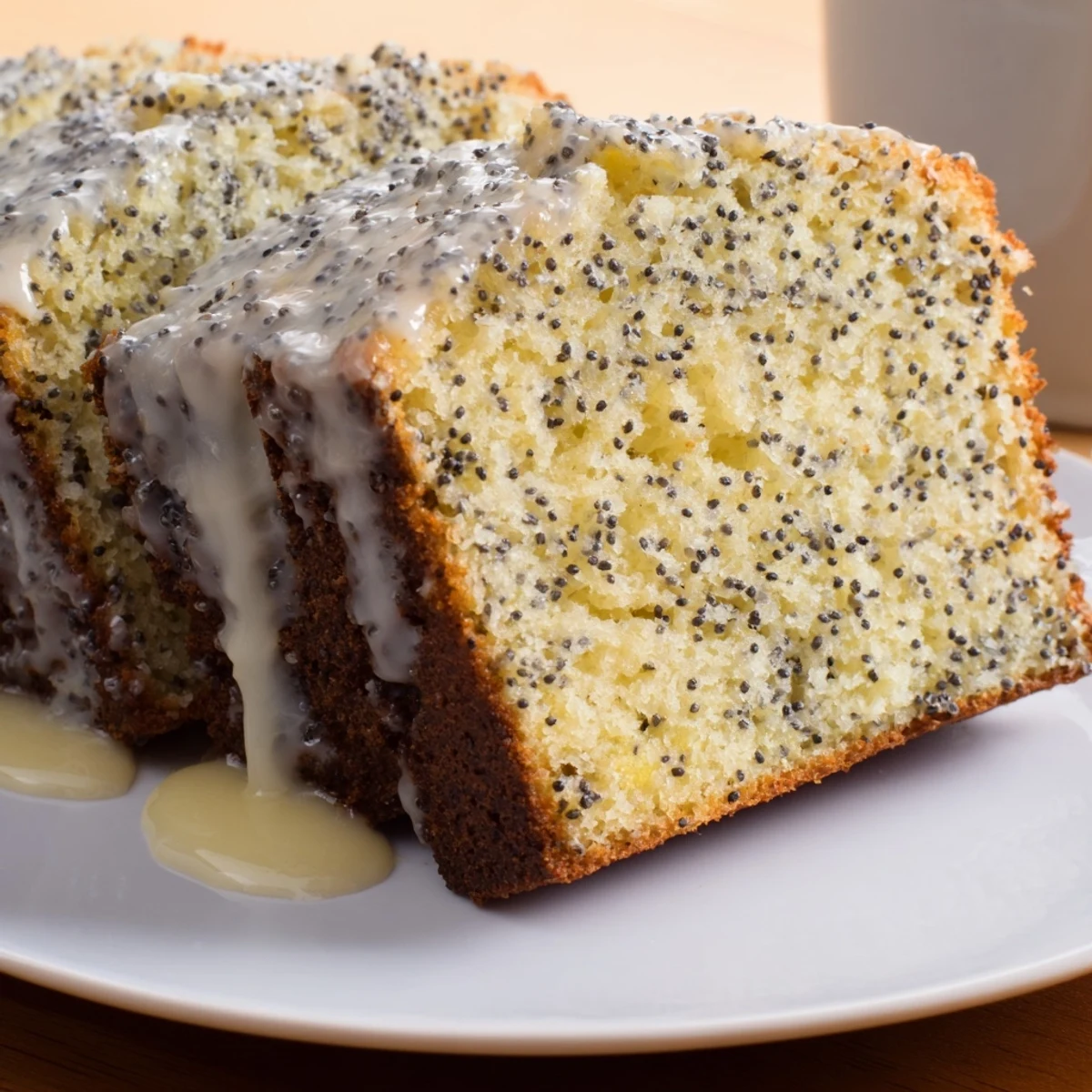
This cake is lovely on its own with tea or coffee, but it's equally happy dressed up with a simple lemon glaze drizzled on top or served alongside whipped cream and fresh berries. It keeps well wrapped at room temperature for three days, and actually tastes slightly better on day two when the flavors have settled and deepened. If you want to make it ahead, this cake freezes beautifully for up to a month.
Variations and Twists
Once you've made this cake once, you'll start imagining how to play with it, and that's exactly the right instinct to follow. I've made it with orange zest and juice instead of lemon, and the warmer citrus makes it feel like a completely different cake—lighter somehow, more summery. The beauty of this recipe is that it's forgiving enough to let you experiment without ruining the whole thing.
- Try a honey glaze instead of lemon for a slightly different finish.
- Add a tablespoon of almond extract for a subtle nod to marzipan flavor.
- Mix in some finely grated white chocolate into the batter for richness and visual interest.
 Save to Pinterest
 This is the kind of cake that reminds you why home baking matters—not because it's complicated, but because it creates moments worth remembering. Make it soon.