
 Save to Pinterest
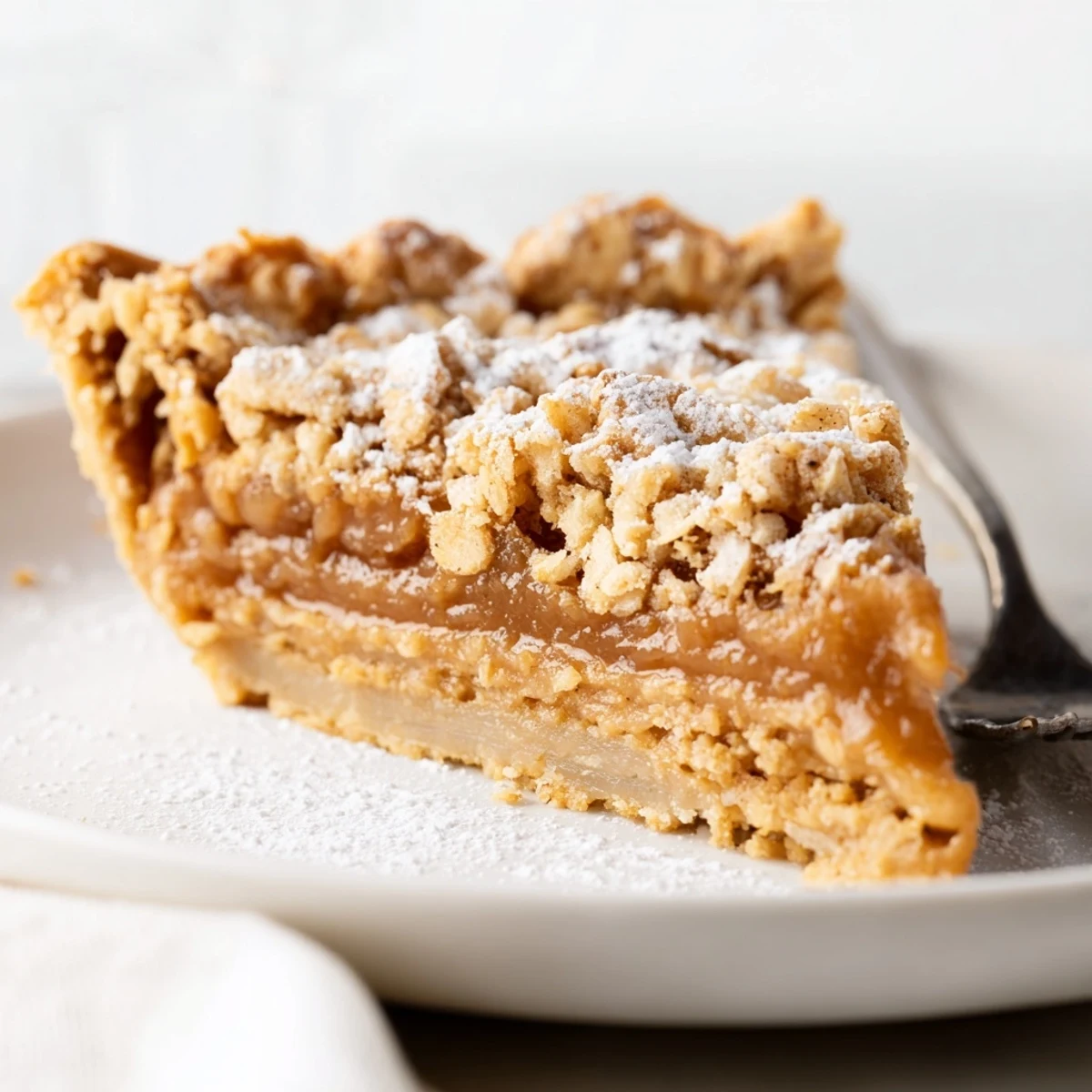
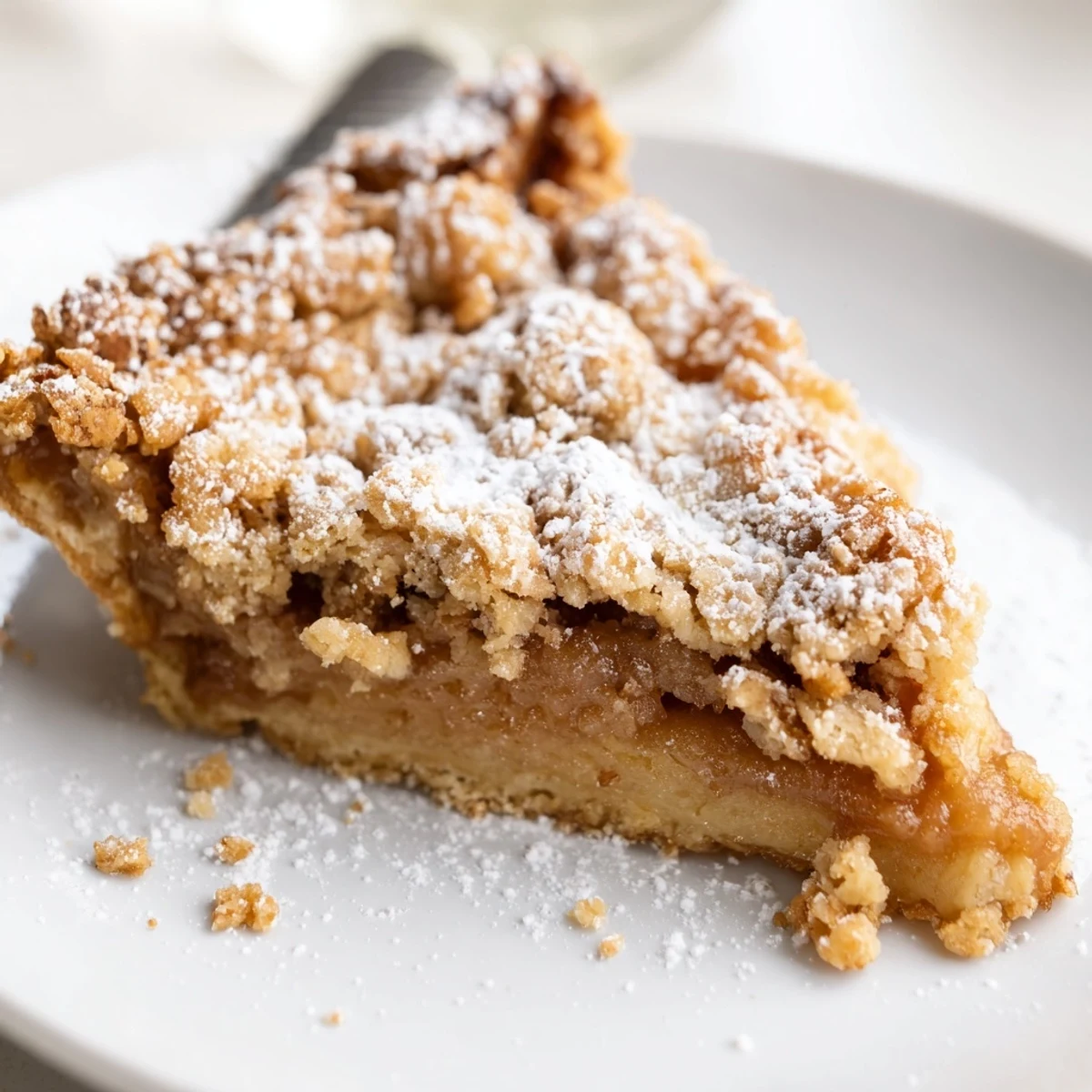
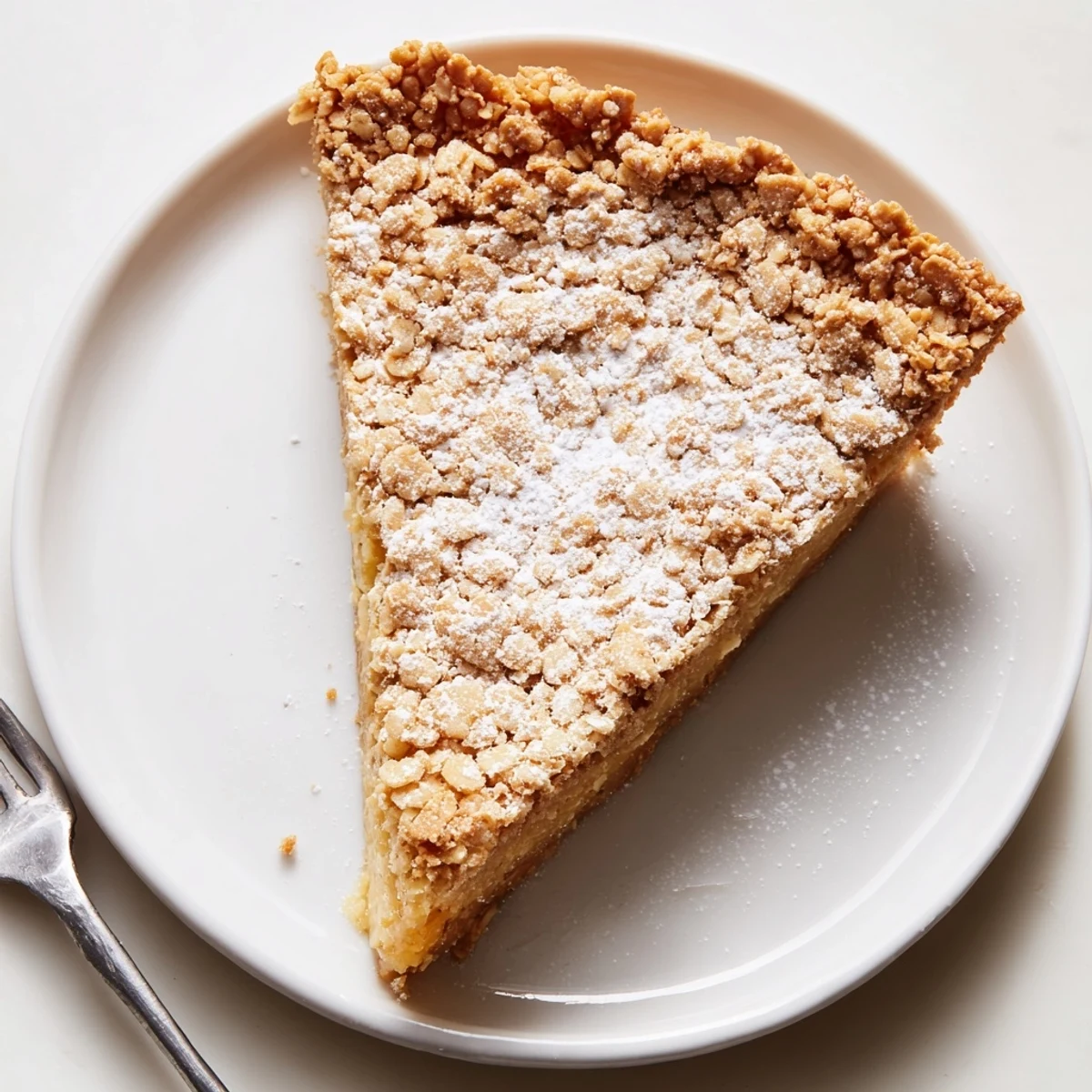
 Milk Bar Crack Pie pairs a baked oat-cookie crust with a silky, buttery caramel-like filling. Press baked oat crumbs into a 9‑inch pan, then whisk melted butter, granulated and brown sugar, milk powder, flour and eggs for the filling. Bake at 325°F until edges set and center still jiggles, cool completely and refrigerate to firm. Serve chilled, dusted with powdered sugar.
The afternoon I discovered Crack Pie, my kitchen sounded like a construction site because I was crumbling an entire oat cookie into submission with a rolling pin. My neighbor knocked on the door asking if everything was okay, and I had to explain through a cloud of flour that I was making something called Crack Pie. She looked skeptical until I handed her a slice two days later, and then she was the one banging on my door asking for more.
I brought this to a potluck where three people asked if I had secretly ordered it from a bakery in New York.
Ingredients
- Unsalted butter (crust and filling): Use good quality butter here because it is the backbone of both layers and you will taste the difference.
- Light brown sugar (packed): Packing it ensures you get the right amount of sweetness and that deep molasses note.
- Granulated sugar: Balances the brown sugar and keeps the filling from becoming too one dimensional.
- Rolled oats: Old fashioned oats give the crust its signature chew and hearty texture.
- All purpose flour: Standard flour works perfectly for both the cookie base and the filling structure.
- Dry milk powder: This is the secret weapon that gives the filling its signature tangy depth and helps achieve that custardy texture.
- Eggs and egg yolks: The extra yolks make the filling richer than a standard custard pie.
- Vanilla extract: Use pure extract, not imitation, because the flavor carries through the entire pie.
- Powdered sugar: A thick blanket of powdered sugar on top is non negotiable for the full Milk Bar experience.
- Baking powder and baking soda: Just a pinch of each gives the oat cookie the slightest rise.
- Salt: Do not skip it because salt is what makes the sweetness feel balanced rather than overwhelming.
Instructions
- Bake the oat cookie slab:
- Preheat your oven to 350 degrees F and line a baking sheet with parchment. Cream the softened butter with both sugars until the mixture looks pale and fluffy, then beat in the egg until everything is silky. Fold in the oats, flour, baking powder, baking soda, and salt, then spread the dough into a thin even rectangle on your sheet and bake for about 15 minutes until golden and fragrant.
- Build the crust:
- Let that oat cookie cool completely, then crumble it into fine crumbs using your hands or a sturdy rolling pin. Mix the crumbs with 3 tablespoons of melted butter until the texture resembles wet sand, then press the mixture firmly into the bottom and up the sides of a 9 inch pie pan.
- Mix the filling:
- Lower the oven to 325 degrees F. Whisk together the melted butter, both sugars, milk powder, flour, and salt until smooth, then add the egg yolks, whole egg, and vanilla, mixing until just combined. Pour this golden liquid into your prepared crust and watch it pool like caramel sunshine.
- Bake until just set:
- Bake for 30 to 35 minutes until the edges are firm and golden but the center still wobbles slightly when you gently shake the pan. That wobble is your guarantee of a gooey, custardy center once it chills.
- Chill and finish:
- Cool the pie completely on a wire rack, then refrigerate it for at least 2 hours or preferably overnight. Dust generously with powdered sugar just before serving so it lands like fresh snowfall over the surface.
 Save to Pinterest
 The hardest part of making this pie is waiting overnight while it sits in your refrigerator whispering your name every time you walk through the kitchen.
Serving Suggestions
This pie is intensely sweet on its own, so a dollop of unsweetened whipped cream or a scoop of plain yogurt on the side cuts through the richness beautifully.
Storage Tips
Keep the pie covered in the refrigerator where it will stay fresh and sliceable for up to five days. The texture actually improves on day two as the filling settles into the crust and becomes even more fudgy.
Getting the Crust Right
Crumbling the oat cookie fine enough is the difference between a crust that holds together and one that crumbles into chaos on your plate. Take your time with this step and really press the crumb mixture firmly into every corner of the pie pan.
- Use the bottom of a measuring cup to press crumbs evenly into the pan.
- Make sure the crumbs are uniformly fine with no large chunks remaining.
- Chill the assembled crust for 10 minutes before adding the filling to help it set.
 Save to Pinterest
 Once you make Crack Pie, every other dessert on your table will feel a little jealous. It is the kind of recipe that earns a permanent spot in your rotation.
Your Recipe Questions Answered
- → How do I prevent a soggy oat crust?
-
Bake the oat dough until golden before crumbling, then mix crumbs with melted butter and press firmly into the pan. Blind-baking the pressed crust briefly can help seal it and keep the filling from making it soft.
- → How can I tell when the filling is done?
-
The edges should look set and slightly browned while the center remains just a bit wobbly. It will continue to set as it cools and chills, so avoid overbaking to keep a gooey center.
- → Can I make a gluten-free version?
-
Yes. Use certified gluten-free rolled oats and swap the all-purpose flour for a gluten-free flour blend. Check labels on processed ingredients like milk powder to ensure they are gluten-free.
- → What is the best way to store the pie?
-
Store covered in the refrigerator for up to five days. For longer storage, freeze wrapped tightly for up to 1–2 months; thaw overnight in the fridge before serving.
- → How should I serve the pie for best texture?
-
Serve well chilled, cut into small slices because of the intense sweetness. A dollop of unsweetened whipped cream or a sprinkle of flaky salt balances the richness.
- → Can I reduce the sweetness without losing texture?
-
Reduce granulated or brown sugar slightly, but avoid cutting both too much as they contribute to the set and chew of the filling. A touch more salt or a tart accompaniment helps balance sweetness.