
 Save to Pinterest
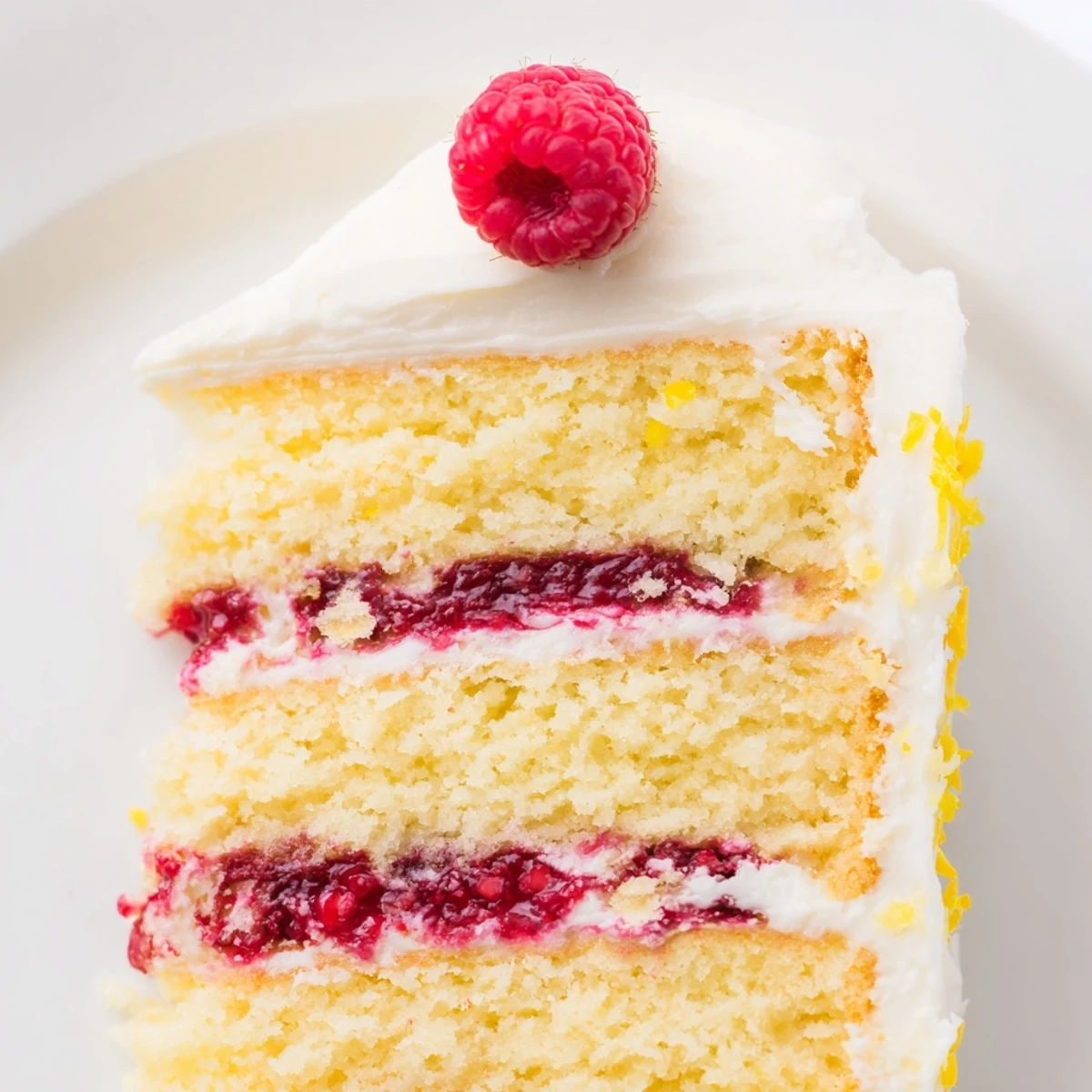
 This bright, zesty treat features tender lemon sponge layers filled with tangy raspberry preserves and fresh raspberries. The luscious lemon cream cheese frosting adds a creamy, tangy finish that perfectly balances the flavors. Ideal for celebrations or an afternoon indulgence, it offers a delightful combination of citrus and berry notes. Preparation includes mixing fresh lemon zest and juice into a moist batter, baking to golden perfection, and assembling with rich frosting and fruity filling for a stunning presentation.
There's a particular kind of magic that happens when you bite into a cake that tastes like sunshine—bright, bold, and completely unexpected. I discovered this magic on a late spring afternoon when I decided to bake a lemon cake for no reason other than the fact that my kitchen smelled like possibility. The result was three tender layers that sang with citrus, filled with ruby-red raspberry preserves, and crowned with a frosting so creamy it felt like a small indulgence. That cake changed how I think about celebrations, because suddenly everything felt worth marking with this one.
I'll never forget the moment my sister walked into my kitchen while this cake was cooling—she closed her eyes and just breathed in, and that's when I knew I'd made something special. The house smelled like lemon zest and butter, the kind of smell that makes people linger. She ended up staying for tea, and we sat with thick slices and talked until the sun started setting through the kitchen window. Food that brings people into a room like that is the kind worth mastering.
Ingredients
- All-purpose flour: This is your foundation—make sure it's fresh and measured by weight if you can, because scooping can pack it down and throw off your cake's structure.
- Baking powder and baking soda: Together they create the tender crumb that makes this cake so delicate; don't skip the sifting step or you'll get dense pockets.
- Unsalted butter and granulated sugar: Creaming them together until pale and fluffy (really take the full three minutes) incorporates air that will make your cake light and airy.
- Eggs at room temperature: Cold eggs won't incorporate smoothly, and you'll end up with a gritty batter; pull them out about thirty minutes before baking.
- Fresh lemon zest and juice: Fresh is non-negotiable here—bottled juice tastes tinny, and zest from a jar isn't the same as what you grate yourself.
- Whole milk: Warm milk helps everything blend seamlessly; cold milk can seize the butter slightly and create a curdled look.
- Raspberry preserves: Use seedless if you prefer a smooth filling, but the seeds actually add a subtle texture that some people love.
- Cream cheese and butter for frosting: Both need to be soft and at room temperature, or your frosting will be lumpy and impossible to spread smoothly.
Instructions
- Prep your pans and heat your oven:
- Get three 8-inch pans greased and lined with parchment paper, and preheat to 350°F—this seems fussy, but cold batter in a cold pan is why so many cakes bake unevenly. The parchment paper is your insurance policy against sticking.
- Combine your dry ingredients:
- Whisk the flour, baking powder, baking soda, and salt together in one bowl—this distributes the leavening agents evenly so you don't end up with bitter pockets of baking soda.
- Cream butter and sugar until they're pale and fluffy:
- This takes about three minutes with an electric mixer, and you'll know it's ready when it looks almost like frosting itself. Don't rush this step; the air you're incorporating is what makes the cake tender.
- Add eggs one at a time, really beating after each:
- If you dump all four eggs in at once, your batter will look curdled and broken; going one at a time helps everything emulsify smoothly and creates a more stable batter.
- Mix in your lemon zest and vanilla:
- Lemon zest should be grated finely so it distributes throughout the batter rather than in little clumps, and vanilla extract adds a subtle depth that keeps the lemon from tasting one-dimensional.
- Alternate adding dry ingredients and milk:
- Start with dry, then milk, then dry again, always finishing with dry—overmixing the batter once the flour is in will develop gluten and make your cake tough. Mix just until you don't see streaks of flour anymore.
- Stir in the fresh lemon juice at the very end:
- Lemon juice can curdle the milk slightly, which actually helps your batter become more delicate; adding it last preserves this effect without it affecting how well everything combines earlier.
- Divide batter evenly among pans and bake:
- Use a kitchen scale if you have one, or just eyeball it carefully—three layers of different thicknesses will bake unevenly. They should be golden and spring back when you touch them, about 25 to 30 minutes.
- Cool cakes completely before frosting:
- Warm cake crumbles; cool cake stays intact, so this is worth the patience.
- Beat cream cheese and butter until smooth:
- They need to be completely soft, not cold straight from the fridge, or you'll end up with a frosting full of tiny lumps that never dissolve no matter how much you beat.
- Gradually add powdered sugar and citrus elements:
- Dumping all the sugar in at once creates clouds of powder and a lumpy frosting; adding it a little at a time, then the zest and juice and vanilla, creates a smooth, glossy spread.
- Assemble with a light hand:
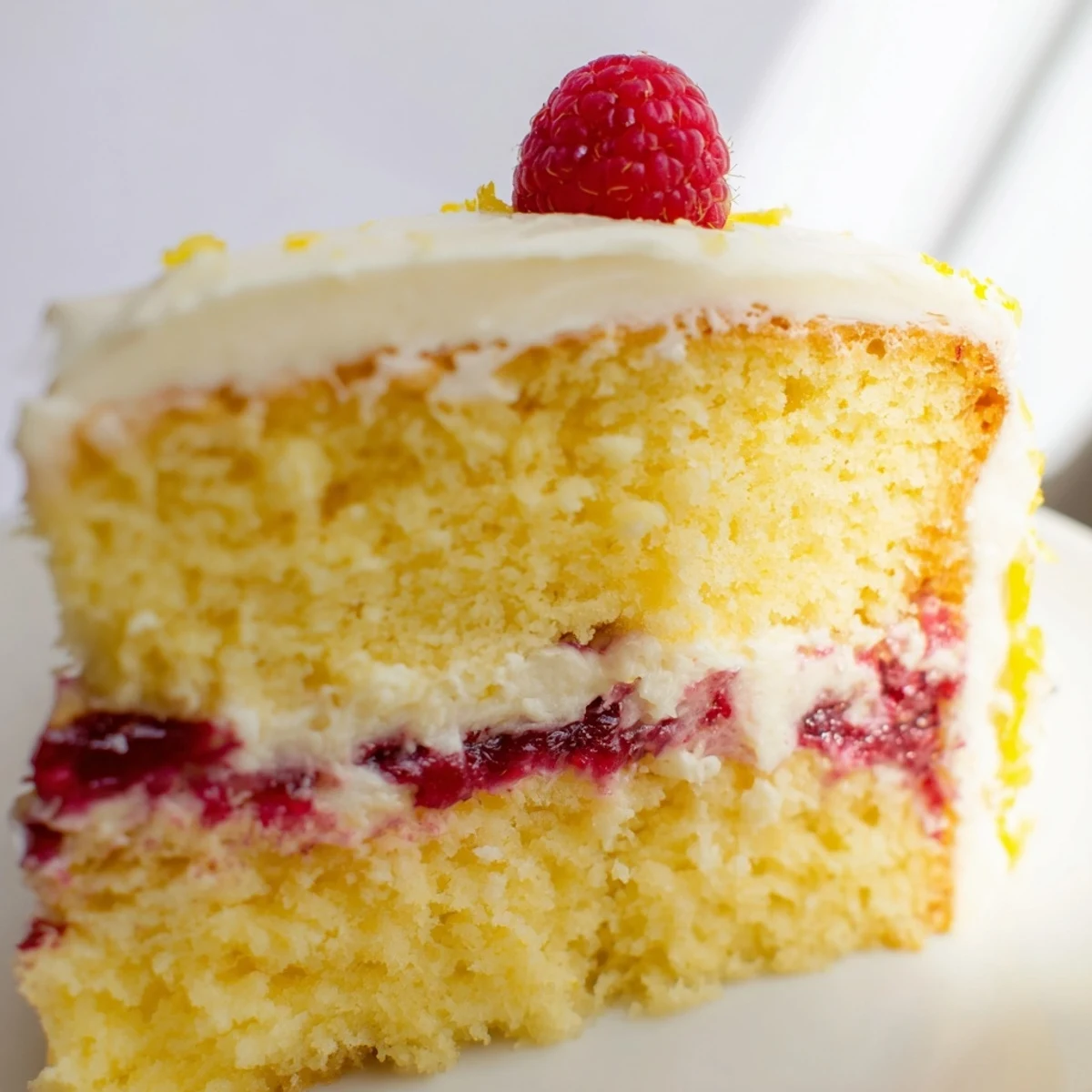
- A thin layer of frosting, then half your raspberry preserves and fresh raspberries, then repeat, then top with the final layer—don't overload the layers or they'll slide apart and the cake will lean like a surprised guest.
- Frost the entire cake and chill it:
- Thirty minutes in the fridge firms up the frosting and prevents the cake layers from shifting when you slice into it, and the cold actually makes the flavors taste brighter.
 Save to Pinterest
 I think about the day my neighbor came over with a container of homemade lemon curd and asked if I could use it in a cake—and suddenly I understood that a good recipe isn't something you finish and shelve, it's something people build on with you. That cake became as much hers as it was mine, and that's when I realized the real gift of cooking for people is giving them permission to make it their own.
Variations That Still Taste Like Spring
The beauty of this cake is that it's a canvas—you can play with the filling, swap the frosting, or lean harder into certain flavors without breaking the whole structure. A thin layer of lemon curd between the frosting and cake layers adds a sophisticated tartness that feels almost like a shortcut to bakery-level flavor. Some people skip the raspberry preserves entirely and layer in fresh strawberries or blackberries, which gives you something lighter and less sweet. If you want to go even more daring, a tiny splash of lavender extract in the frosting creates something floral and unexpectedly modern.
The Science of Tender Layers
There's a reason this cake turns out so delicate, and it has everything to do with how you treat your batter. The combination of baking powder and baking soda creates two different kinds of lift—one that happens immediately in the oven (baking soda) and one that happens gradually (baking powder)—and together they create a crumb that's tender without being gummy. The milk is important too, because it keeps the batter from being too stiff; a stiffer batter makes a denser cake, and this one is supposed to feel almost cloud-like on your tongue.
Serving, Storing, and Making It Your Own
This cake is best eaten within two days, and it actually tastes better on day two when the flavors have settled into each other. Store it covered in the refrigerator, and pull it out about thirty minutes before serving so the frosting softens just slightly and tastes less waxy on your tongue. It pairs beautifully with tea in the afternoon or a glass of something sparkling at night, and it's equally at home at a birthday party or a quiet Tuesday when you've decided you deserve something pretty.
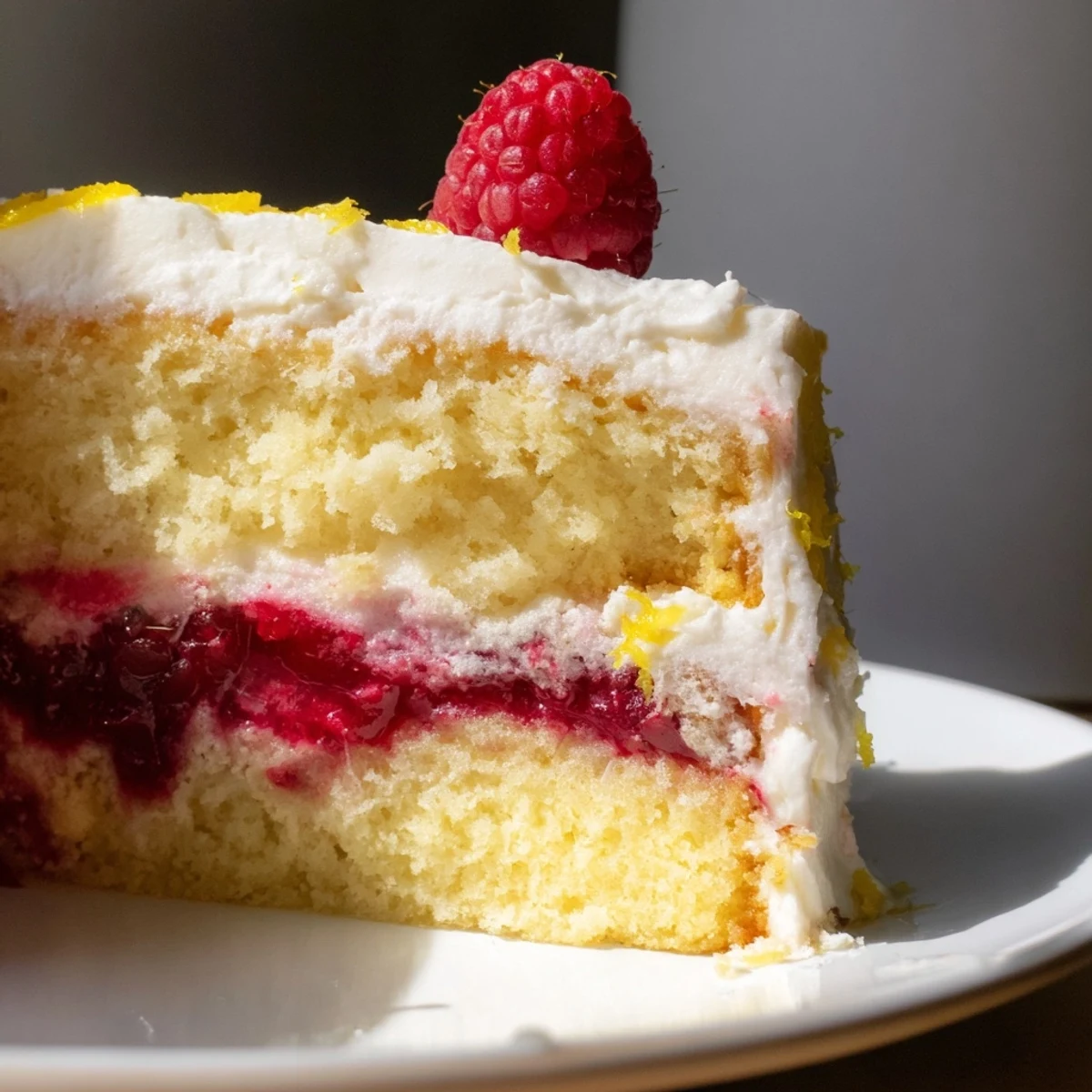
- Fresh raspberries on top not only look stunning but add a bright tartness that cuts through the richness of the frosting.
- If you're making this ahead, bake and cool the layers, then freeze them wrapped tightly for up to a week before frosting.
- The frosting can be made a day ahead and stored in an airtight container in the fridge—let it come to room temperature and give it a quick stir before spreading.
 Save to Pinterest
 This cake is one of those recipes that teaches you something each time you make it—about timing, about taste, about why baking is really just organized chemistry. Once you've mastered it, you'll understand why people ask for it again and again, and why sometimes the simplest pleasures are the ones most worth learning.
Your Recipe Questions Answered
- → How do I achieve moist lemon layers?
-
Incorporate fresh lemon juice and zest into the batter carefully, and avoid overmixing to keep the layers tender and moist.
- → Can I substitute raspberry preserves?
-
Yes, seedless raspberry jam or crushed fresh raspberries work well, maintaining the tangy berry flavor.
- → What is the best way to frost the layers evenly?
-
Use an offset spatula to spread frosting smoothly, ensuring even coverage between and on top of layers.
- → How long should the cake chill before serving?
-
Chilling for at least 30 minutes helps the layers set and makes slicing cleaner and easier.
- → Are there any allergy considerations?
-
The cake contains wheat, eggs, and dairy. Be aware of possible tree nut traces in some jams.