
 Save to Pinterest
 This moist loaf combines vibrant lemon zest and juice with crunchy poppy seeds for a delightful texture. The batter blends melted butter, sour cream, and eggs creating a tender crumb. Gentle folding keeps the loaf light, while baking until lightly browned ensures a perfect finish. An optional lemon glaze adds extra citrus brightness. Ideal for breakfast, tea, or dessert, this loaf offers a fresh and tangy treat packed with comforting flavors.
There's something about the smell of lemon zest hitting a warm bowl that makes you stop mid-morning and just breathe. I discovered this loaf one Tuesday when my neighbor's garden was overflowing with Meyer lemons, and she'd practically forced a bag into my hands. I wanted to do something simple that wouldn't demand hours, but would still feel like a small celebration. This loaf became that exact thing—bright, tender, and somehow both comforting and refreshing at once.
I'll never forget bringing this to a small book club where everyone was expecting store-bought, and watching three people ask for the recipe while still chewing. One friend mentioned it was exactly what she needed after a rough week, and I realized then that feeding people isn't about fancy or complicated—it's about nailing the simple things.
Ingredients
- All-purpose flour (1 3/4 cups): The backbone of structure; make sure it's measured by spooning into the cup, not scooping straight from the bag, or you'll end up with a dense brick.
- Poppy seeds (1 tablespoon): These tiny seeds deliver visual interest and a subtle nuttiness that makes you wonder what you're tasting without realizing.
- Baking powder and baking soda (1 teaspoon and 1/2 teaspoon): The pair that lifts this into tender crumb territory; don't skip or combine them recklessly.
- Granulated sugar (3/4 cup): This amount is exactly right; more sugar makes it cake-cake, less makes it austere.
- Eggs (2 large, room temperature): Cold eggs won't emulsify properly with the butter, so let them sit out while you prep.
- Whole milk and sour cream (1/2 cup each): This combination creates a moisture and tang that plain milk alone can't achieve; they're doing heavy lifting together.
- Unsalted butter, melted and cooled (1/2 cup): Melted butter distributes more evenly than creamed, and cooling it prevents the eggs from scrambling when you whisk everything together.
- Lemon zest (from 2 lemons): Zest is where the magic lives; if you zest carelessly, you'll get white pith, which tastes bitter, so use a microplane and rotate the lemon as you go.
- Freshly squeezed lemon juice (1/4 cup): Fresh juice makes all the difference; bottled juice tastes tinny and flat by comparison.
- Vanilla extract (1 teaspoon): A supporting actor that rounds out flavors without announcing itself.
- Powdered sugar and lemon juice for glaze (1 cup and 2-3 tablespoons optional): The glaze is optional, but it gives you that bakery-counter finish and a little extra brightness.
Instructions
- Prepare your stage:
- Preheat your oven to 350°F and grease a 9x5-inch loaf pan, then line it with parchment paper so it hangs over the sides like little ears; this makes pulling the loaf out foolproof. Have everything measured and within arm's reach because mixing happens fast.
- Combine the dry foundation:
- In a medium bowl, whisk together flour, poppy seeds, baking powder, baking soda, and salt, breaking up any clumps as you go. Set this aside and don't second-guess it; this is your insurance against lumps.
- Build the wet base:
- In a large bowl, whisk sugar and room-temperature eggs together for about 2 minutes until the mixture lightens in color and feels thick, almost like soft mousse. You're incorporating air here, which helps the loaf rise.
- Weave in the liquid elements:
- Add milk, sour cream, cooled melted butter, lemon zest, lemon juice, and vanilla to the egg mixture, whisking until everything looks smooth and well combined. The mixture should feel silky and smell undeniably of lemon.
- Fold with restraint:
- This is the critical moment: gently fold the dry mixture into the wet mixture using a spatula, stopping the moment you don't see white flour streaks anymore. Overmixing develops gluten, which turns this into a tough, rubbery situation, so show some patience.
- Settle into the pan:
- Pour the batter into your prepared pan and smooth the top with the back of a spoon, then give the pan a gentle tap on the counter to release any air pockets. The batter should look thick but pourable, almost like thick cake batter.
- Bake with attention:
- Slide it into the oven for 45 to 55 minutes; start checking at 45 minutes with a toothpick inserted into the center, which should come out clean or with just a few moist crumbs clinging to it. If the top is browning too fast before it's cooked through, drape foil loosely over the top for the last 10 minutes.
- Cool with patience:
- Let the loaf sit in the pan for 15 minutes before turning it out onto a wire rack to cool completely. This waiting period prevents it from collapsing and makes it sturdier for slicing.
- Glaze if you're feeling fancy:
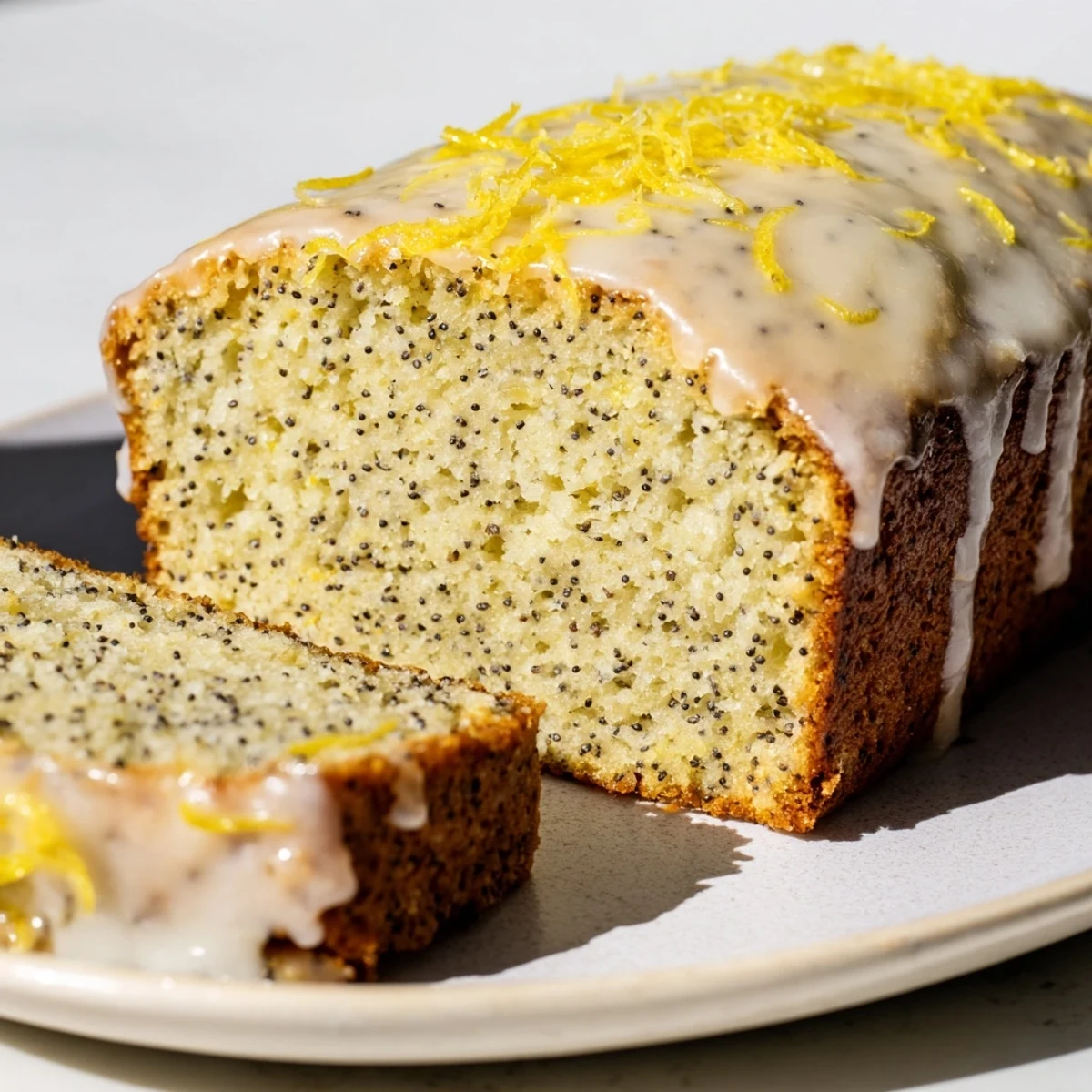
- Whisk powdered sugar with 2 to 3 tablespoons of fresh lemon juice until you have a thin, pourable consistency, then drizzle it over the completely cooled loaf. The glaze sets as it cools and gives you that beautiful finish.
 Save to Pinterest
 I baked this for my mom during a season when she wasn't feeling well, and she ate a slice while sitting in the afternoon sun, and for a moment everything felt right. That's when I understood that this loaf isn't really about technique or ingredients—it's about having something warm and real to offer when words aren't enough.
The Lemon Question
Not all lemons are created equal, and the type you choose changes the entire loaf. Meyer lemons are sweeter and perfumy; regular Eureka lemons are brighter and more acidic. I've made this with both, and they're genuinely different experiences, so if you're at the farmer's market and have options, lean into whichever calls to you. Meyer makes it softer and rounder; Eureka makes it snappier and more demanding of attention.
Storage and Making Ahead
This loaf actually improves after a day or two, which makes it perfect for baking ahead of company or just having something ready in your kitchen. Wrap it tightly in plastic wrap or store it in an airtight container at room temperature for up to 3 days, and it stays moist and fresh. If you want to make it further ahead, wrap the cooled loaf in plastic, then foil, and freeze it for up to 2 months; thaw it at room temperature and it comes back as if you just pulled it from the oven.
Variations and Customizations
Once you've made this loaf once, you'll start noticing ways to shift it slightly without losing what makes it special. Some mornings I use Greek yogurt instead of sour cream for a tangier result; other times I add a teaspoon of lemon extract for someone who can't get enough brightness. You can also brush the warm loaf with a simple syrup made from equal parts lemon juice and sugar, which keeps it impossibly moist and adds another layer of flavor.
- Try using half whole wheat flour for a nuttier, earthier loaf that still rises beautifully.
- Add fresh blueberries or raspberries folded in at the end for tartness that plays against the sweetness.
- Make mini loaves in smaller pans and reduce the baking time to 30 to 35 minutes for gifts that feel more special.
 Save to Pinterest
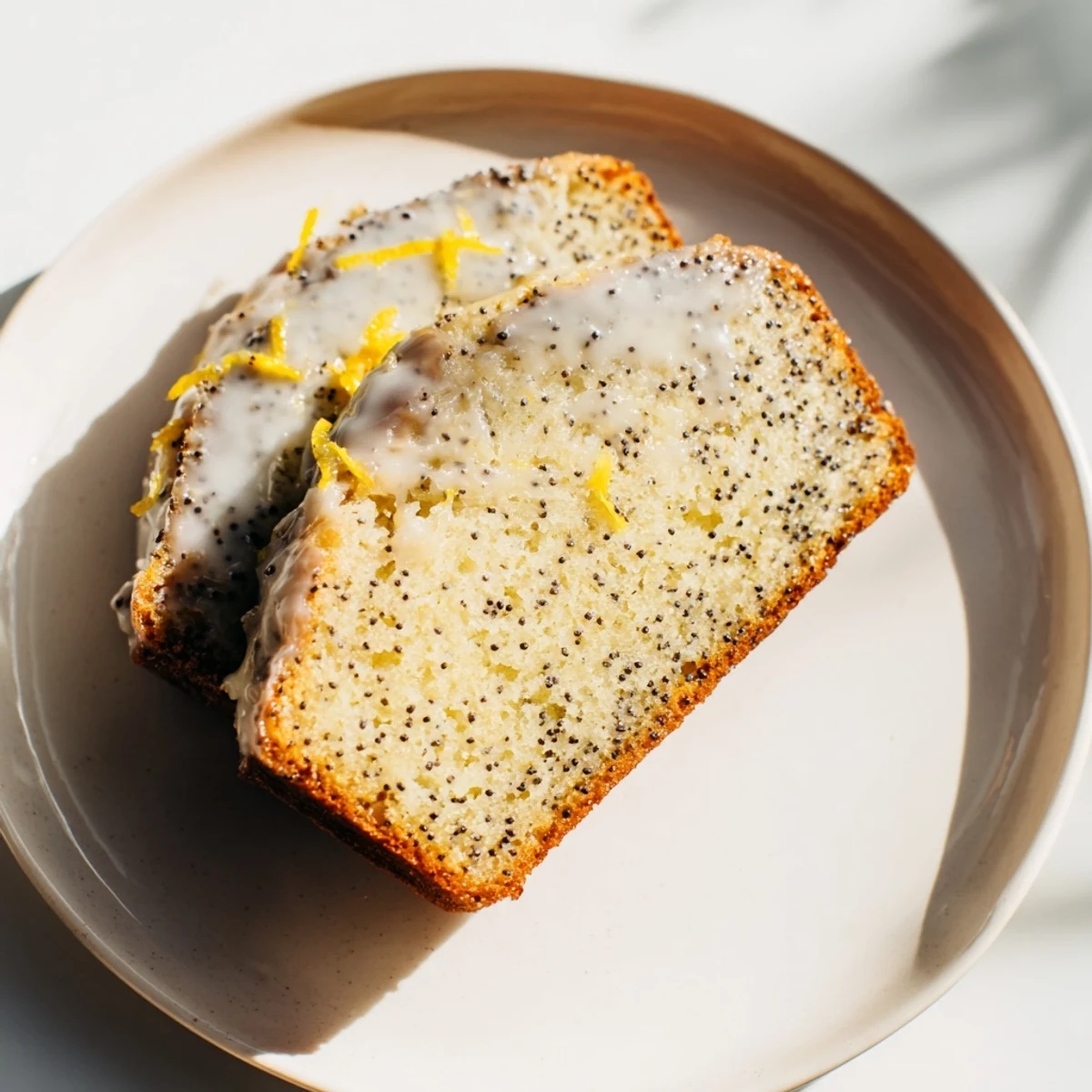
 This loaf has quietly become my answer to a dozen different moments—a breakfast that tastes like a gift, an afternoon snack that stops you from reaching for something less satisfying, a small gesture when you want to say thank you with your hands. Make it once and you'll understand why.
Your Recipe Questions Answered
- → What gives the loaf its lemon flavor?
-
Fresh lemon zest and freshly squeezed lemon juice are the key ingredients providing bright and natural citrus notes.
- → How do poppy seeds affect the texture?
-
Poppy seeds add a subtle crunch that contrasts nicely with the moist and tender crumb of the loaf.
- → Can sour cream be substituted?
-
Yes, plain yogurt or Greek yogurt can be used for a tangier taste without affecting moisture.
- → What’s the best way to avoid overmixing?
-
Fold dry ingredients gently into wet mixture only until no streaks of flour remain to keep the loaf light and tender.
- → How do I store leftovers?
-
Wrap the loaf tightly and keep it at room temperature for up to 3 days or freeze for up to 2 months.
- → Is the lemon glaze necessary?
-
The glaze is optional but adds a sweet, tangy finishing touch enhancing the lemon flavor.