
 Save to Pinterest
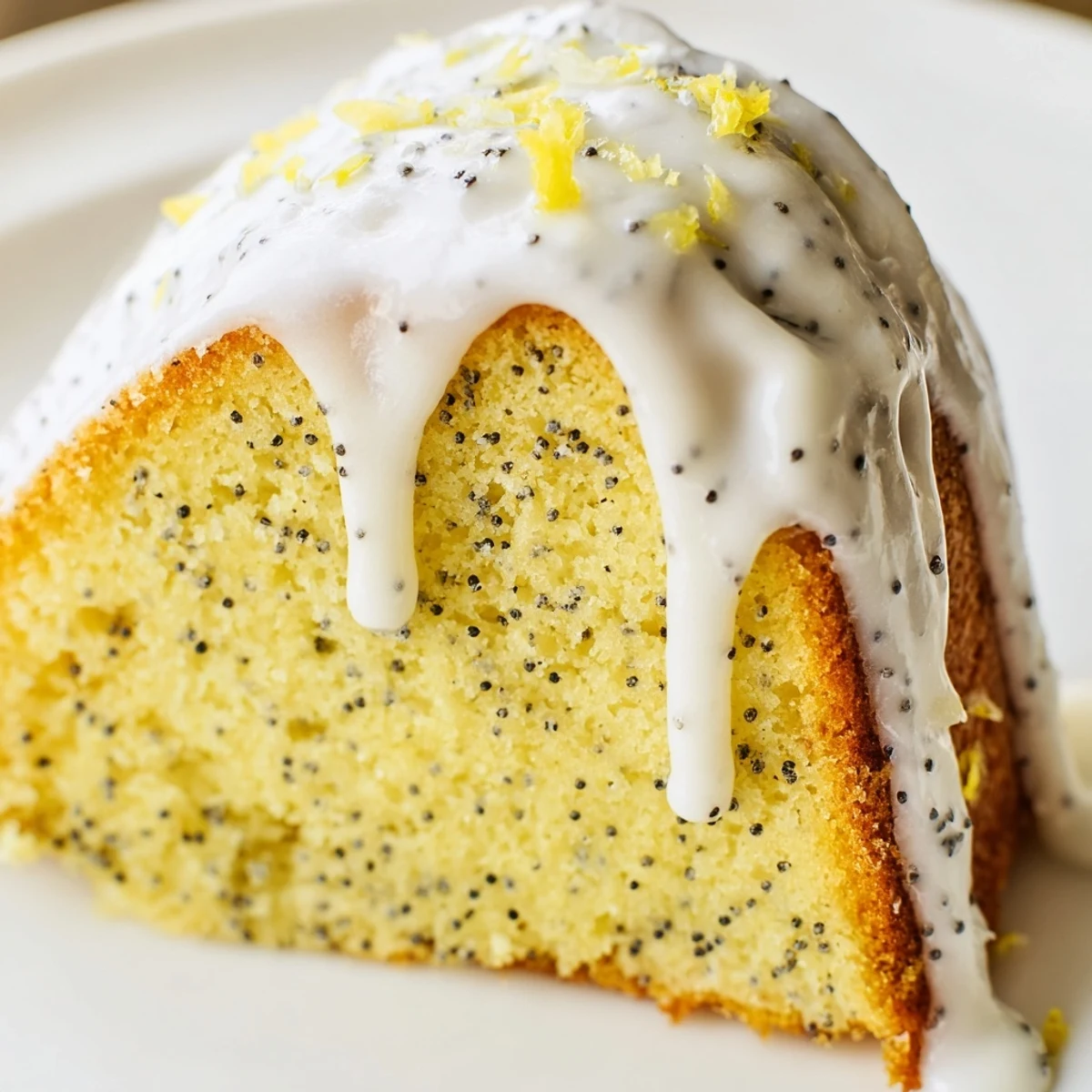
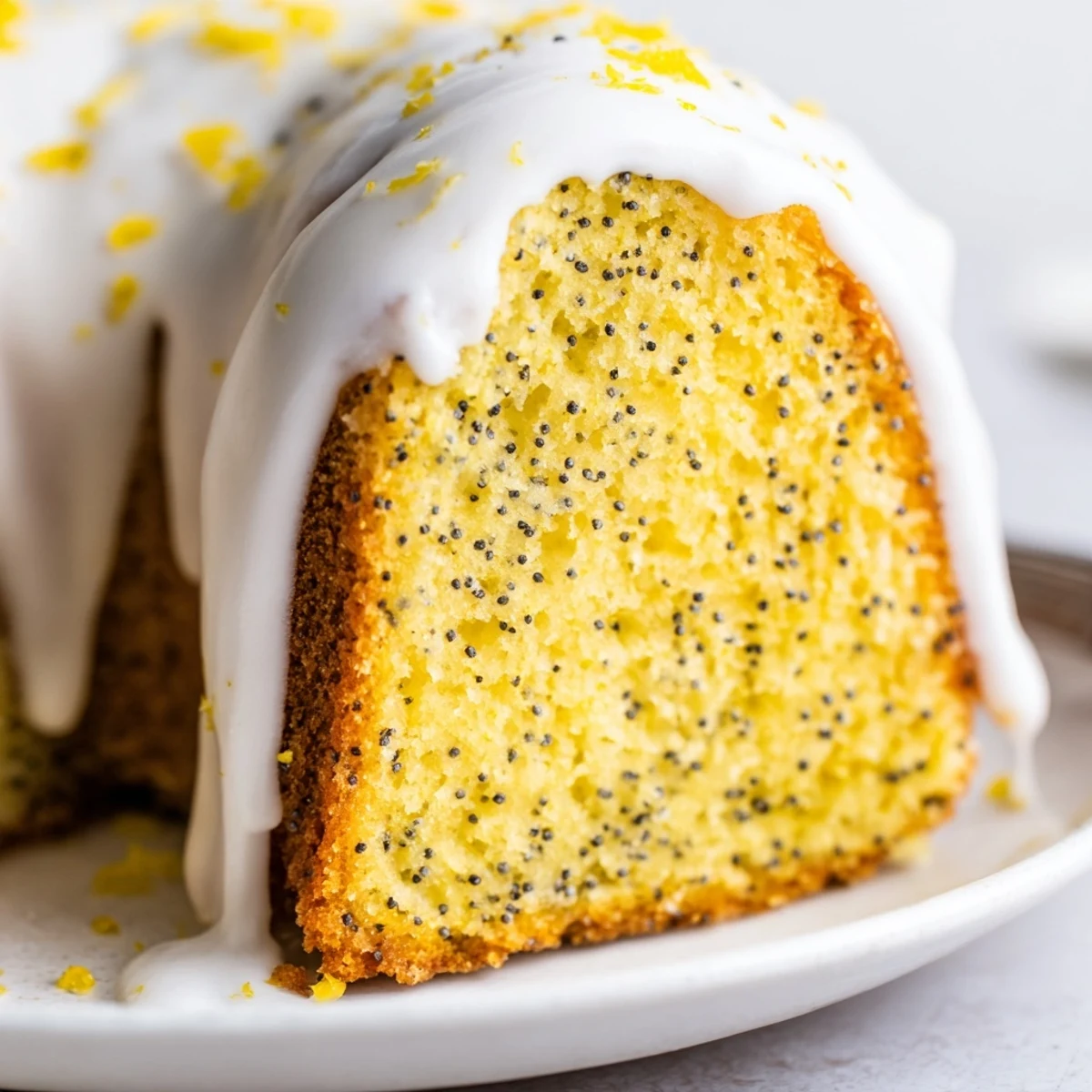
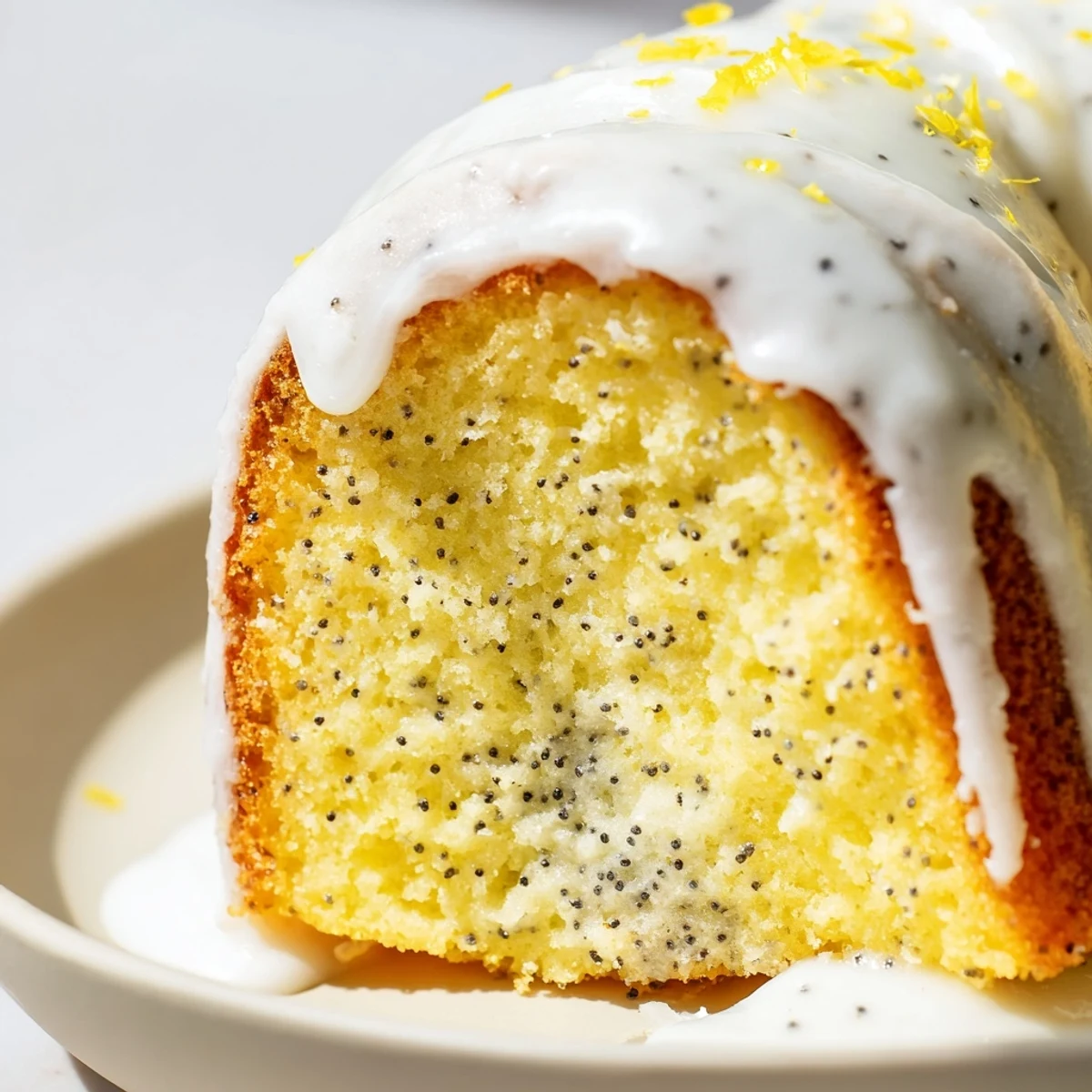
 This moist bundt cake combines bright lemon zest and fresh lemon juice with crunchy poppy seeds for a unique texture. Layers of flavor come together through creaming butter and sugar, and alternating dry ingredients with buttermilk to keep the crumb tender. Once baked, a fresh lemon glaze with powdered sugar adds a zesty, glossy finish. This cake offers a balance of citrus brightness and subtle nutty crunch perfect for dessert or afternoon treats.
The first time I made a lemon poppy seed cake, I was trying to impress someone who'd mentioned offhand that they loved anything with lemon. I remember standing in my kitchen on a quiet afternoon, the smell of fresh lemon zest filling the air as I grated it over the dry ingredients, thinking this had to work. It did—and somehow, this cake became the one I reach for whenever I want something that tastes like sunshine in a slice.
I've baked this cake for garden parties where people lingered over dessert longer than they should have, asking for the recipe before they'd even finished their slice. There's something about the combination of tender crumb and zesty glaze that makes people slow down and actually taste their food instead of rushing through.
Ingredients
- All-purpose flour (3 cups): This is your structure—don't sift it unless your flour is really compacted, and measure by spooning and leveling for consistency.
- Baking powder and baking soda (2½ tsp and ½ tsp): These two work together to give you lift and a tender crumb; make sure they're fresh by checking the dates on your containers.
- Salt (1 tsp): It sounds small, but salt brings out the lemon flavor and balances the sweetness beautifully.
- Poppy seeds (2 tbsp): These tiny gems add visual interest and a subtle nuttiness that catches people off guard in the best way.
- Unsalted butter (1 cup): Softened butter creams into a pale, fluffy base that traps air for a tender cake; cold butter will make this step frustrating.
- Granulated sugar (2 cups): This dissolves into the butter and keeps the cake moist as it bakes.
- Eggs (4 large, room temperature): Cold eggs won't incorporate smoothly, so pull them out about 30 minutes before you start.
- Lemon zest (1 tbsp from 2 lemons): Use a microplane or zester to get just the yellow part—the white pith underneath tastes bitter.
- Fresh lemon juice (⅓ cup): Freshly squeezed makes all the difference; bottled juice tastes flat by comparison.
- Buttermilk (1 cup, room temperature): This adds tanginess and keeps the crumb tender; if you don't have it, stir a tablespoon of lemon juice into regular milk and let it sit for five minutes.
- Vanilla extract (2 tsp): Pure vanilla is worth the cost here because it rounds out the lemon flavor instead of fighting it.
- Powdered sugar for the glaze (1½ cups, sifted): Sifting prevents lumps that refuse to dissolve in the glaze.
- Lemon juice for glaze (2–3 tbsp): Start with less and add more until your glaze reaches the right consistency—thick enough to coat but thin enough to drip.
Instructions
- Set yourself up for success:
- Preheat your oven to 350°F and get a bundt pan really well buttered and floured—be generous here because this cake is delicate. I like to use a pastry brush to make sure every crevice is coated.
- Mix your dry ingredients:
- Whisk together the flour, baking powder, baking soda, salt, and poppy seeds in a medium bowl. This distributes the leavening evenly so your cake rises consistently.
- Cream the butter and sugar:
- Beat softened butter and sugar with an electric mixer on medium speed for about 3–4 minutes until the mixture looks pale, fluffy, and almost like whipped cream. This step is where your cake gets its tender texture, so don't rush it.
- Add eggs one at a time:
- Add each egg individually and beat well after each addition before adding the next one. This ensures even incorporation and a smooth batter.
- Mix in the lemon:
- Stir in the lemon zest and vanilla extract until combined.
- Prepare your wet mixture:
- In a small bowl, combine the buttermilk and fresh lemon juice. They'll look like they're curdling, but that's exactly what you want.
- Alternate wet and dry:
- With the mixer on low speed, add the dry ingredients and buttermilk mixture in three additions, starting and ending with the flour. Mix just until combined after each addition—overmixing develops gluten and makes the cake tough.
- Pour and bake:
- Pour the batter evenly into your prepared bundt pan and smooth the top with a rubber spatula. Bake for 40–45 minutes until a toothpick inserted into the center comes out clean or with just a few moist crumbs.
- Cool it down:
- Let the cake rest in the pan for 15 minutes—this prevents it from breaking when you flip it. Then carefully invert it onto a wire rack and let it cool completely before glazing.
- Make the glaze:
- Whisk together sifted powdered sugar, lemon juice, and lemon zest until you have a smooth, pourable consistency. It should be thin enough to drip but thick enough to coat.
- Finish with the glaze:
- Once the cake is completely cool, drizzle the glaze evenly over the top and let it set for at least 15 minutes before slicing.
 Save to Pinterest
 There's a moment right when the cake comes out of the oven where the kitchen fills with this almost overwhelming citrus aroma, and everyone nearby immediately knows something wonderful is happening. That smell, the way it makes people pause and lean toward the kitchen—that's when you know this cake is going to make someone happy.
Why This Cake Works
The secret to keeping this cake moist is the combination of buttermilk and fresh lemon juice, which tenderize the crumb and add subtle tang. The poppy seeds aren't just decoration—they add texture and a delicate nuttiness that prevents the flavor from being aggressively lemony. Together with a generous dose of lemon zest, these elements create complexity that makes people want another slice.
Serving and Storage
This cake is best served the day it's made or the day after, when the flavors have settled and the crumb has reached its most tender. It stays fresh at room temperature in an airtight container for up to three days, though I've never had one last that long. The glaze will firm up slightly as it sits, which actually makes serving cleaner.
Variations and Additions
I've experimented with small tweaks over the years, and a few have become permanent additions to my version. A touch of almond extract adds depth without being obvious, and fresh berries on the side bridge the cake's richness with brightness. For a different angle, a thin layer of lemon curd between the cake and glaze turns it into something almost fancy enough for a special occasion.
- Add ½ teaspoon of almond extract to the batter for an understated warmth that complements the lemon.
- Serve with whipped cream or crème fraîche to cut through the sweetness and add richness.
- If you want to get fancy, pipe the glaze decoratively or dust the top with a tiny bit of poppy seed before it sets.
 Save to Pinterest
 This cake has become my go-to when I want to bake something that feels both comforting and special. It's the kind of cake that reminds you why you love having a kitchen and people to bake for.
Your Recipe Questions Answered
- → How does using buttermilk affect the cake?
-
Buttermilk adds moisture and acidity, reacting with baking soda to create a tender crumb and slight tang.
- → What role do poppy seeds play in the texture?
-
Poppy seeds provide a pleasant crunch and nutty undertone, complementing the soft crumb.
- → Can I substitute lemon zest with another citrus?
-
Yes, orange or lime zest can be used, but lemon offers the brightest, most traditional flavor for this cake.
- → Why is it important to alternate dry and wet ingredients during mixing?
-
Alternating helps achieve even mixing and prevents overworking the batter, which keeps the cake tender.
- → How should I store this bundt cake for freshness?
-
Wrap tightly at room temperature, keeping it fresh for up to three days without drying out.
- → What makes the glaze set properly?
-
The powdered sugar and lemon juice mixture should be whisked smooth and allowed to cool on the cake, forming a delicate, glossy finish.