
 Save to Pinterest
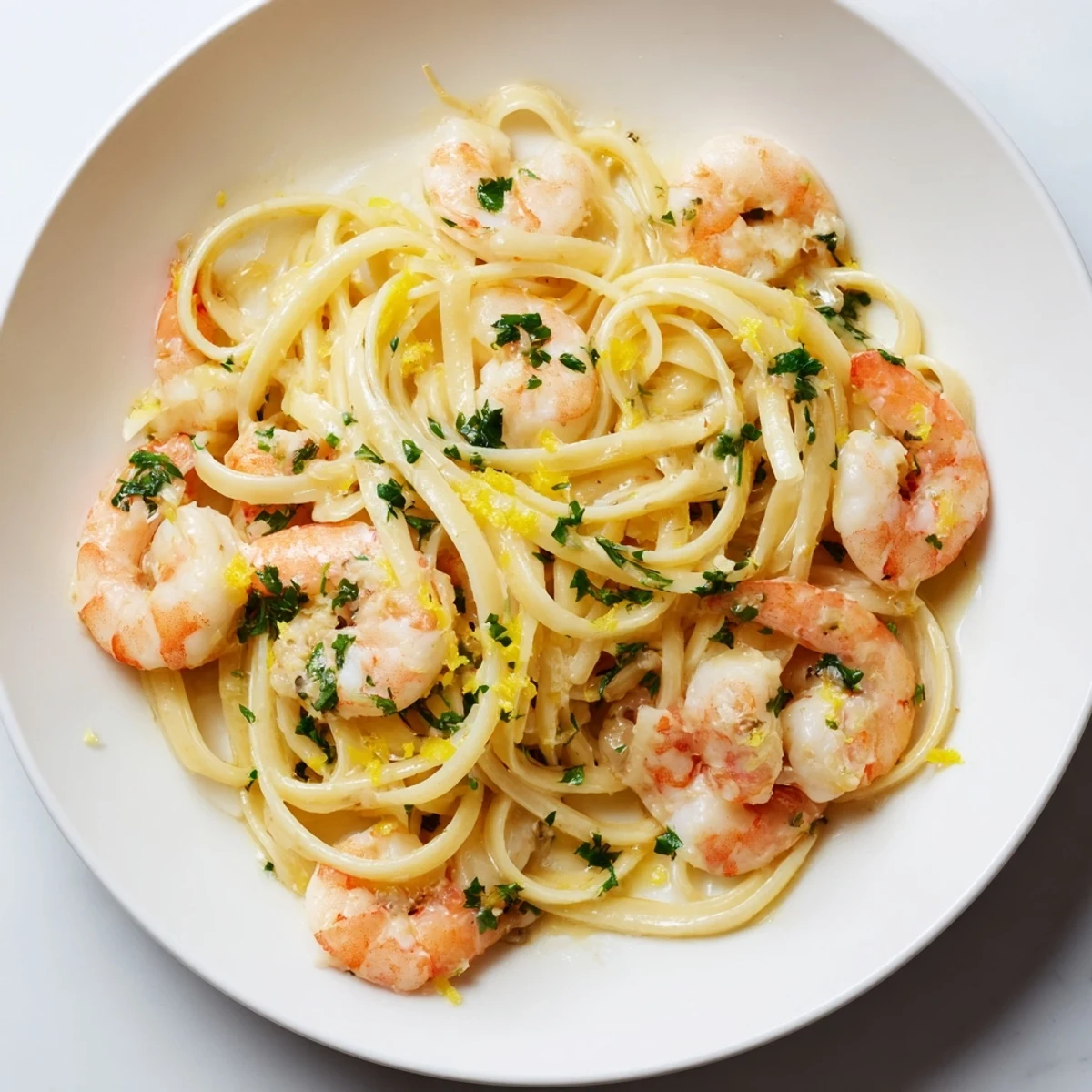
 Lemon Garlic Shrimp Scampi with Linguine combines tender, succulent shrimp with a vibrant lemon-garlic butter sauce that clings beautifully to al dente linguine. This Italian-American classic comes together in just 30 minutes, making it ideal for weeknight dinners or elegant entertaining. The bright acidity of fresh lemon juice balances rich butter, while garlic and optional red pepper flakes add depth and subtle heat.
The technique is straightforward: cook shrimp quickly over high heat to maintain tenderness, build a silky sauce with butter, garlic, and citrus, then unite everything with al dente pasta and reserved starchy water to create a cohesive dish. Finish with fresh parsley and serve with lemon wedges for maximum brightness.
The briny aroma of shrimp simmering in butter and wine fills my kitchen on Tuesday nights when I need a dinner that feels special without hours of preparation. My lemon garlic shrimp scampi became my signature quick-fancy meal years ago during a chaotic work week when I discovered I could transform a handful of ingredients into something that tastes like restaurant quality in under 30 minutes. The bright citrus notes against the richness of garlic butter creates a sauce that clings perfectly to linguine, making every twirl of pasta a little celebration.
Last summer, I made this scampi for my neighbors after they helped me move a stubborn couch up three flights of stairs. We sat on my patio surrounded by half-unpacked boxes, twirling linguine around our forks as the evening cooled. The conversation flowed as easily as the wine we paired with dinner, and by the time we scraped our plates clean, theyd become more than just neighbors.
Ingredients
- Large shrimp: I learned that keeping the tails on while cooking adds flavor to the sauce, but you can remove them before serving if you prefer less messy eating.
- Fresh lemon: Both zest and juice are non-negotiable here as bottled juice lacks the bright intensity that transforms this dish from good to memorable.
- Dry white wine: The alcohol cooks off leaving a subtle acidity that balances the richness of butter, though chicken broth works nicely when cooking for those who avoid alcohol.
- Linguine: The flat, medium-width pasta captures the sauce beautifully between strands, though Ive used spaghetti in a pinch with almost equally delicious results.
- Garlic: Five cloves might seem excessive until you taste how they mellow and sweeten in the butter, becoming the aromatic backbone of the entire dish.
Instructions
- Prep your pasta water first:
- Get that large pot of water boiling right away, and salt it generously until it tastes like sea water. This seasons the linguine from within as it cooks.
- Pat those shrimp dry:
- Use paper towels to remove excess moisture from your shrimp before seasoning. Youll get that beautiful golden sear instead of steamed shrimp if theyre properly dried.
- Master the shrimp cook:
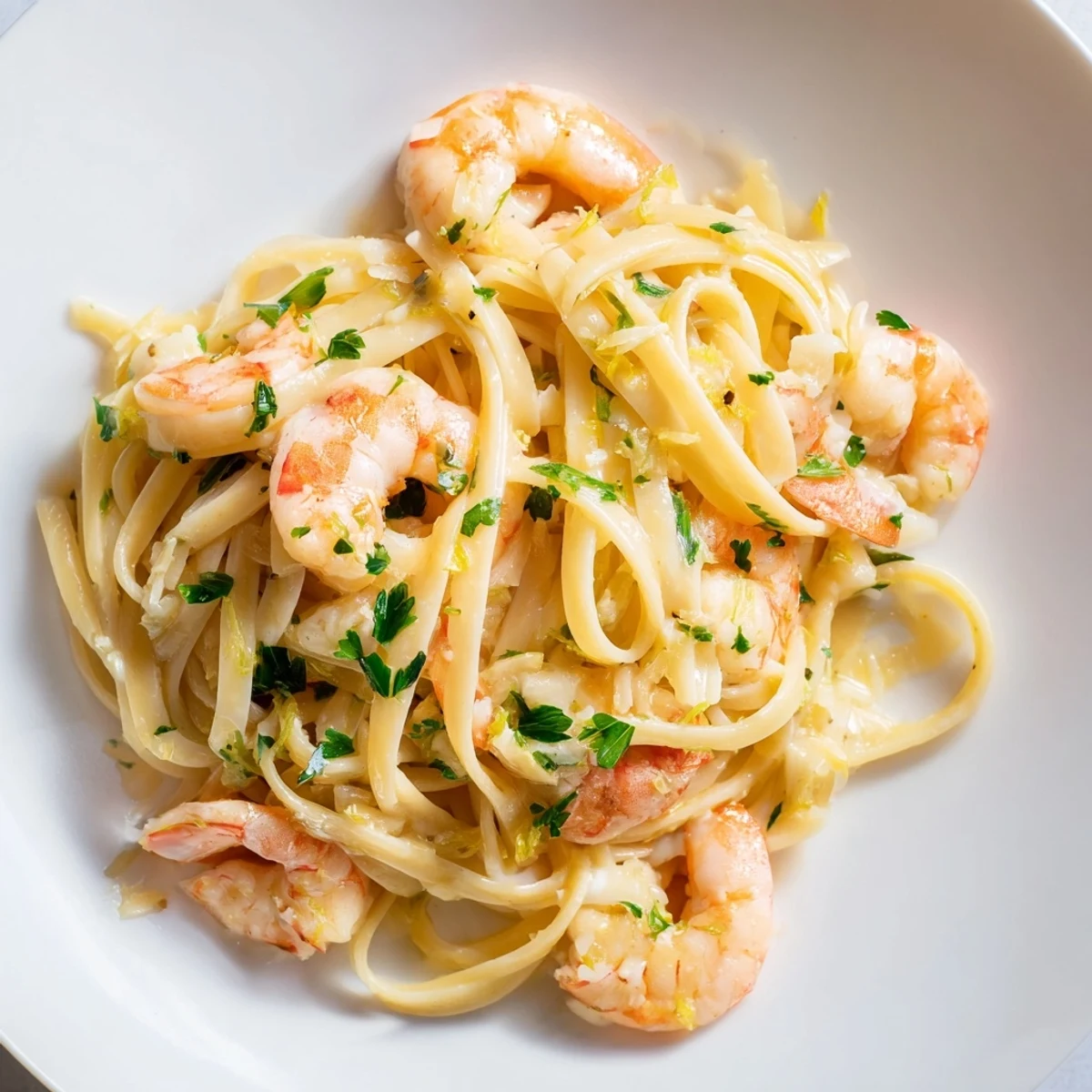
- Theyll turn pink and opaque remarkably quickly, usually just 1-2 minutes per side. Watch for that C-shape to form but remove them before they curl into tight Os, which means theyve overcooked.
- Build that flavor base:
- After removing the shrimp, the remaining oil in the pan becomes a treasure trove of flavor for your sauce. Add butter and garlic to those shrimp drippings, letting the garlic soften but not brown.
- Create the signature sauce:
- When the wine or broth hits the hot pan, it will sizzle dramatically, releasing the fond from the bottom. Let it reduce slightly to concentrate those flavors before returning the shrimp.
- Marry the pasta and sauce:
- Toss the linguine directly in the sauce pan rather than pouring sauce over pasta on plates. The pasta will absorb the flavors as you toss, creating a cohesive dish rather than separate components.
- Finish with fresh touches:
- Parsley adds color and a fresh herbaceous note that cuts through the richness. A final squeeze of lemon just before serving wakes up all the flavors.
 Save to Pinterest
 My brother-in-law claimed he disliked seafood until I served him this scampi during a holiday visit three years ago. The kitchen fell silent as he took his first reluctant bite, then reached for seconds before anyone else had finished their first serving. Now he requests this dish every time they visit, standing beside me at the stove to learn the recipe himself.
Pairing Suggestions
After experimenting with various wine pairings, Ive found that a crisp Pinot Grigio or Sauvignon Blanc complements the citrus notes without overwhelming the delicate shrimp flavor. The slight acidity in these wines cuts through the buttery sauce while enhancing the brightness of the lemon, creating a harmonious dining experience that elevates an already fantastic meal.
Adapting to Dietary Needs
When my lactose-intolerant friend came for dinner last month, I discovered that a good quality olive oil can replace some of the butter without sacrificing richness, though the flavor profile shifts slightly toward the Mediterranean. For gluten-sensitive guests, rice noodles or gluten-free pasta work beautifully with this sauce, absorbing the flavors just as well as traditional wheat linguine.
Make It Your Own
This recipe welcomes thoughtful additions that make it uniquely yours without compromising its essential character. My neighbor adds baby spinach in the final minute of cooking for extra color and nutrition, while my mother swears by a handful of halved cherry tomatoes added with the shrimp for bursts of sweetness against the savory background.
- Consider adding a splash of heavy cream to the sauce just before returning the shrimp for a silkier, more indulgent texture.
- Fresh herbs beyond parsley work wonderfully here, particularly basil or dill, each lending its own distinctive character to the dish.
- A sprinkle of toasted breadcrumbs adds welcome texture contrast to the tender shrimp and silky pasta.
 Save to Pinterest
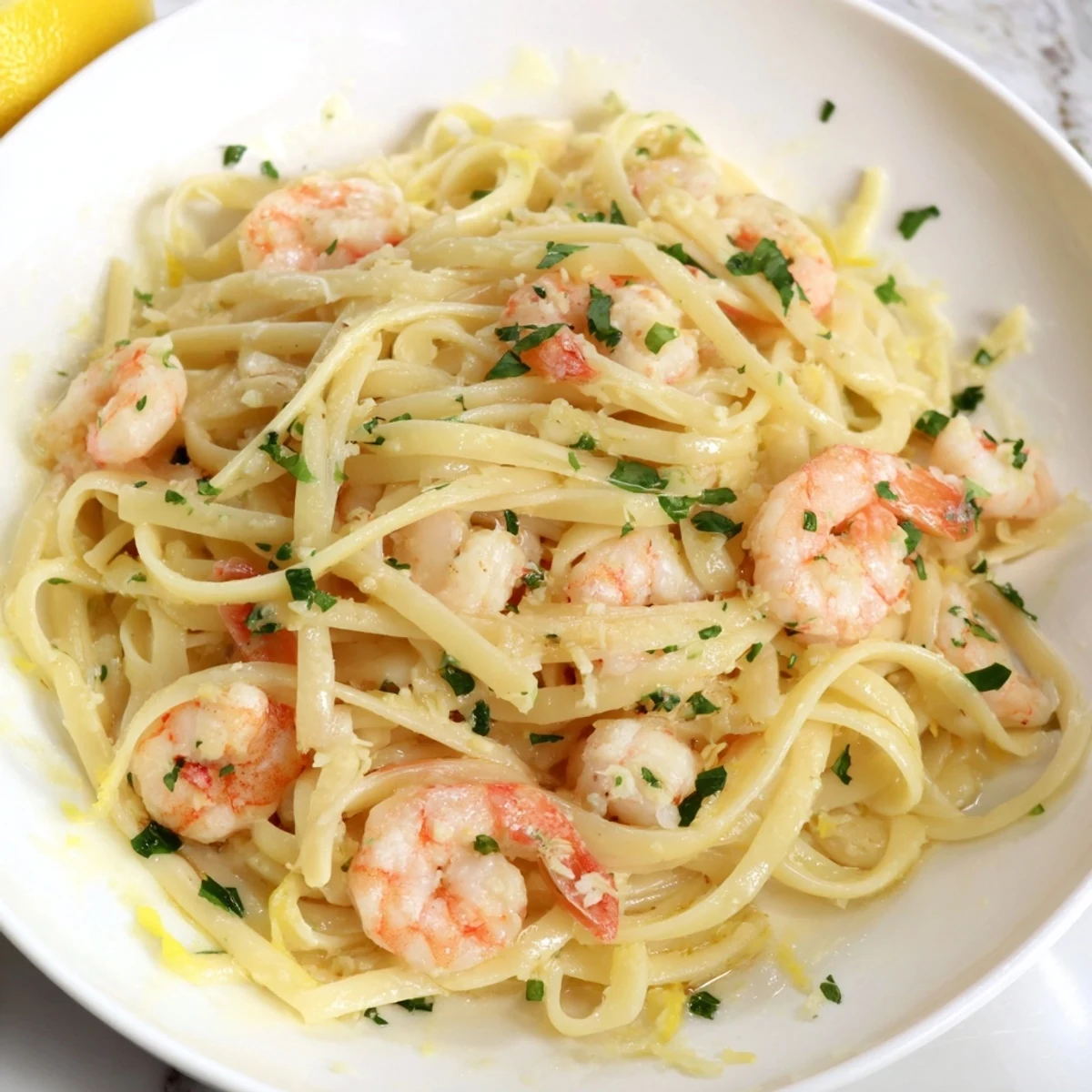
 This shrimp scampi has traveled with me through apartments and houses, celebrations and quiet weeknights, becoming more than just a recipe but a reliable friend in my culinary repertoire. Its the dish I turn to when I want to remind myself that good food doesnt need to be complicated to be magnificent.
Your Recipe Questions Answered
- → How do I prevent the shrimp from becoming rubbery?
-
Cook shrimp quickly over medium-high heat for just 1-2 minutes per side until they turn pink and opaque. Remove them immediately and set aside. Overcooked shrimp becomes tough and chewy, so timing is essential. Let them finish cooking gently when returned to the sauce.
- → Can I make this dish ahead of time?
-
This dish is best served immediately while the pasta is hot and the sauce is silky. However, you can prep ingredients in advance: peel and devein shrimp, juice lemons, mince garlic, and zest lemon. Cook the dish just before serving for optimal texture and flavor.
- → What type of wine works best for this sauce?
-
Use a crisp, dry white wine like Pinot Grigio, Sauvignon Blanc, or Vermentino. Avoid oaky wines or anything sweet. If you prefer not to use wine, substitute with low-sodium chicken broth or vegetable broth for similar acidity and depth.
- → How do I achieve the perfect al dente pasta?
-
Follow package directions but reduce cooking time by 1-2 minutes. Test a strand a minute before the suggested time—it should have a slight firmness when bitten. Remember, pasta continues cooking slightly when tossed with the warm sauce, so slightly undercooking ensures the ideal texture.
- → What's the purpose of reserving pasta water?
-
Starchy pasta water emulsifies with butter and oil, creating a silky, cohesive sauce that coats every strand. Add it gradually while tossing to reach your desired consistency. This technique prevents the sauce from becoming too thick or separated.
- → Can I substitute different pasta shapes?
-
Absolutely. Spaghetti, fettuccine, or pappardelle work beautifully with this sauce. Choose pasta with similar surface area and texture to linguine. Avoid short pasta like penne, which won't capture the delicate sauce as effectively.