
 Save to Pinterest
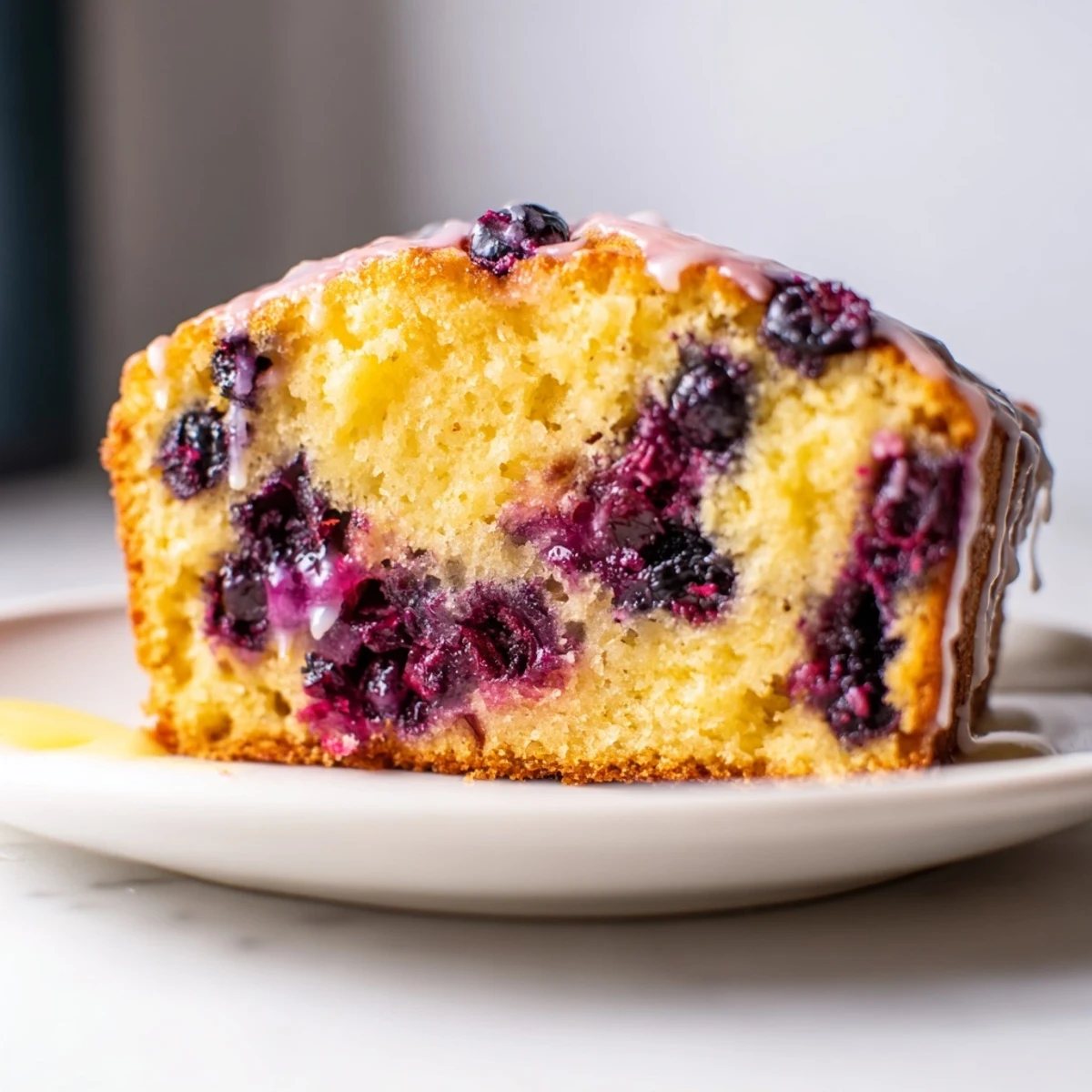
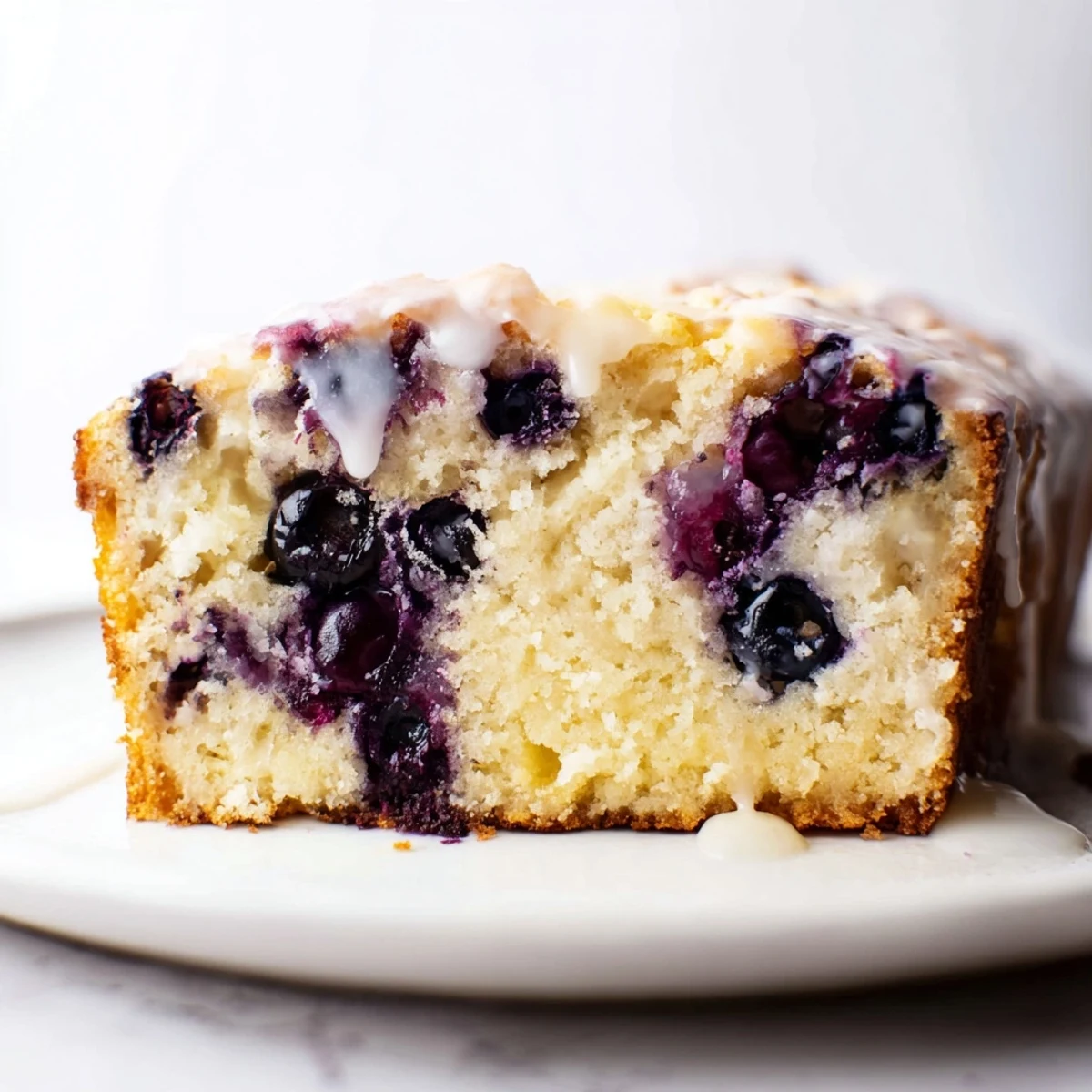
 This moist loaf combines fresh blueberries and tangy lemon zest with creamy yogurt to create a tender, flavorful treat. The batter is gently mixed to keep blueberries intact, then baked until golden. A smooth lemon glaze adds a bright finishing touch. Ideal for breakfast or afternoon enjoyment, this loaf balances sweetness and citrus with soft crumb texture. Simple preparation and wholesome ingredients make it a delightful option for a light, satisfying indulgence.
The first time I smelled lemon zest hitting sugar, I was standing in my grandmother's cramped kitchen watching her attack a bowl with her fingertips like she was kneading dough made of air. She never measured anything, just knew when the oils had released by the sharp citrus cloud that would make you blink. I tried to replicate that moment last spring while my roommate was napping on the couch, and the sudden brightness of it woke her up confused, asking if I had opened a window into a citrus grove.
I brought this loaf to a friend recovering from surgery, and she texted me three days later asking if I had somehow hidden a mood booster in the batter because she had eaten half of it while watching bad television at two in the morning. There is something about the particular combination of tart and sweet that feels like permission to be still.
Ingredients
- All-purpose flour: The backbone that gives this loaf its satisfying crumb without being dense, measured properly by spooning into cups rather than scooping
- Baking powder: Your lift agent that works with the yogurt's acidity to create that gentle rise that domes just enough
- Salt: Barely there but essential, waking up every other flavor so the sweetness does not flatten out
- Granulated sugar: More than sweetness, this is your vehicle for capturing lemon oil when you rub it with zest
- Lemon zest: Use a microplane and stop at the white pith, which will betray you with bitterness
- Plain Greek yogurt: The secret to moisture without grease, full fat preferred for the tangiest counterpoint
- Vegetable oil: Keeps the crumb soft for days, unlike butter which firms up when cold
- Eggs: Room temperature so they emulsify smoothly without fighting the oil
- Fresh lemon juice: Bottled juice is a different chemical entirely, do not substitute
- Vanilla extract: A quiet background note that makes the lemon taste more like itself
- Fresh blueberries: Look for dusty skins that resist when gently pressed, the flour coating keeps them from sinking
- Extra flour for blueberries: Creates a rough surface so berries grip the batter instead of plummeting
- Powdered sugar: Dissolves into glaze without graininess, sifted if lumpy
- Lemon juice for glaze: Start with one tablespoon and add by drops until you have thick pourable consistency
Instructions
- Set the stage:
- Heat your oven to 350°F and line your loaf pan with parchment that overhangs the long sides like handles. This is not the time for stuck cake archaeology.
- Whisk the dry team:
- Combine flour, baking powder, and salt in a bowl, fluffing with your whisk rather than stirring aggressively. Set aside where you will not accidentally use it twice.
- Wake up the sugar:
- Pour sugar into your large bowl and grate lemon zest directly over it. Use your fingertips to rub them together until the sugar looks damp and smells like a citrus grove after rain. This is the most important sixty seconds of the recipe.
- Bring in the wet ingredients:
- Add yogurt, oil, eggs, lemon juice, and vanilla to your fragrant sugar. Whisk until the mixture looks like pale yellow silk with no streaks of egg visible.
- Marry wet and dry:
- Pour your dry ingredients over the wet and fold with a spatula, stopping when you still see a few floury streaks. Overmixing develops gluten and gives you a pound cake texture instead of tender crumb.
- Prepare the blueberries:
- Toss them with flour in a small bowl until each berry looks lightly dusted, then fold gently into batter with three or four strokes maximum.
- Bake with patience:
- Scrape batter into prepared pan and smooth the top. Bake for fifty to fifty-five minutes, checking at forty-five. If the top is browning faster than the center is setting, lay a sheet of foil loosely over the dome without sealing the edges.
- Cool completely:
- Let the loaf rest in its pan for ten minutes, then lift out using the parchment handles and transfer to a wire rack. Glaze applied to warm cake will melt and disappear into the crumb instead of sitting prettily on top.
- Finish with shine:
- Whisk powdered sugar with lemon juice until thick but pourable, adjusting by drops. Drizzle in zigzags or controlled chaos as your mood dictates.
 Save to Pinterest
 My neighbor borrowed this recipe for a church bake sale and reported back that three people asked for her number, not romantically, just to discuss the crumb structure. Food does this sometimes, becomes a reason for strangers to talk.
The Case for Room Temperature Eggs
Cold eggs will seize the oil into little beads that never fully incorporate, leaving you with a streaky batter and uneven rise. I learned this watching a batch sink in the middle like a failed souffle, then researched why for three hours instead of cleaning my kitchen.
Reading Your Oven
Every oven has personality. Mine runs hot on the right side and cool on the left, so I rotate the loaf pan at thirty minutes. If you do not know your oven yet, buy an inexpensive thermometer and be surprised by how often it lies to you about its own temperature.
Storing and Slicing
This loaf improves on day two as the flavors settle and marry, wrapped tightly in plastic at room temperature. For clean slices, use a serrated knife and saw gently without pressing down, wiping the blade between cuts.
- Glaze will soften if stored covered, so add fresh if you want that crackly top
- Toasted slices with butter transform this into something closer to cake meets breakfast
- The last slice is always fought over, so consider baking two
 Save to Pinterest
 However you slice it, this loaf asks nothing of you but presence and a decent cup of something warm. That is enough.
Your Recipe Questions Answered
- → How do I prevent the blueberries from sinking?
-
Toss blueberries in a tablespoon of flour before folding them into the batter to help them stay evenly distributed during baking.
- → Can I substitute the yogurt with something else?
-
Yes, sour cream can be used as a substitute for Greek yogurt to maintain moisture and tanginess.
- → What is the best way to make the lemon glaze?
-
Whisk powdered sugar with fresh lemon juice until smooth and drizzle over the cooled loaf for a bright, sweet finish.
- → How do I know when the loaf is done baking?
-
Insert a toothpick in the center; it should come out clean or with just a few moist crumbs attached.
- → Can I use frozen blueberries instead of fresh?
-
Yes, use frozen blueberries without thawing to avoid adding excess moisture to the batter.