
 Save to Pinterest
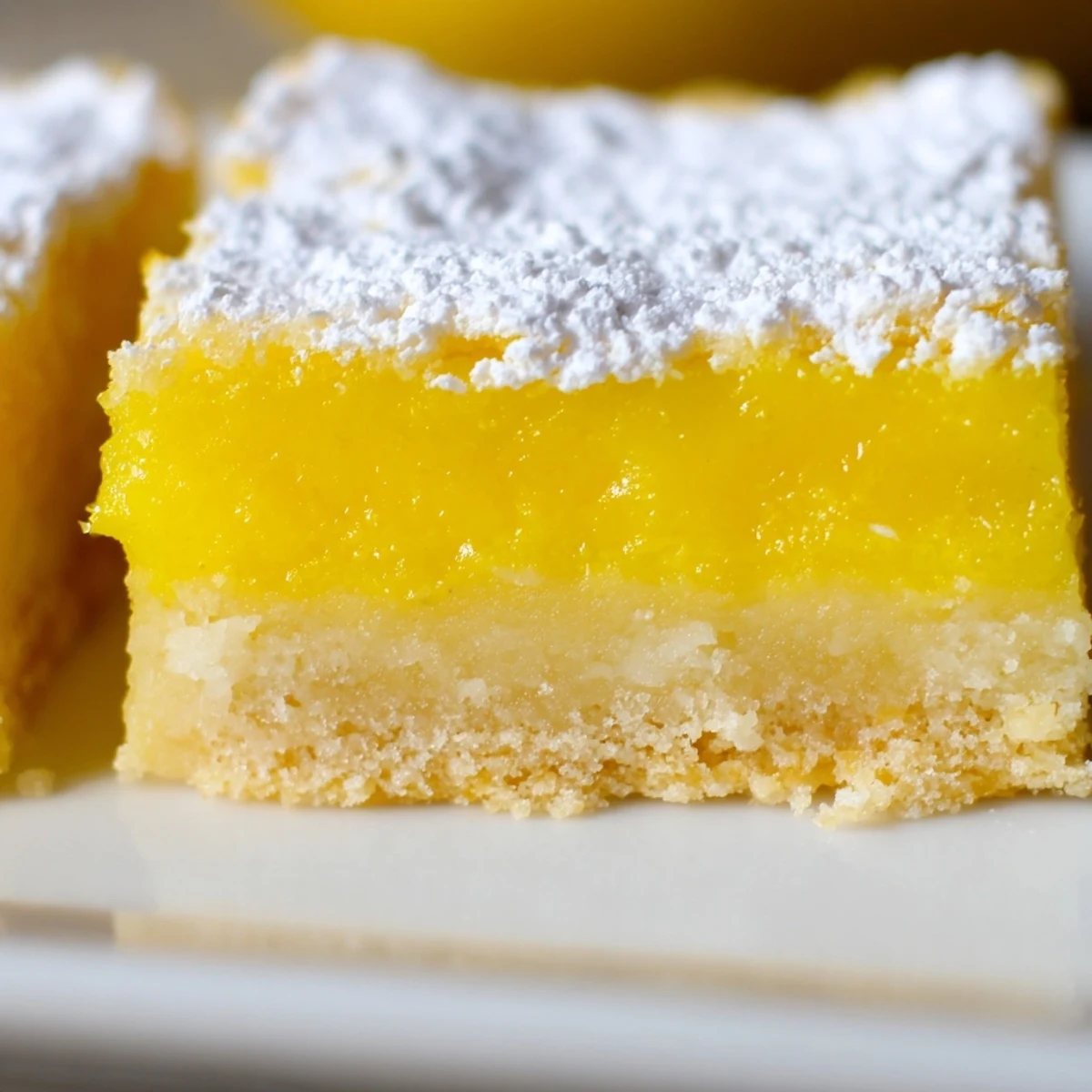
 These lemon bars combine a buttery shortbread crust with a bright, tangy lemon filling that’s both sweet and refreshing. The crust is baked until golden before a smooth lemon mixture is poured over and baked again until set. Once cooled, dust with powdered sugar for an elegant finish. Simple ingredients like fresh lemon juice, zest, butter, and eggs come together for a delightful texture and flavor. Perfect for those who enjoy a balance of tart and sweet in a handheld treat.
There's something about lemon that cuts through a heavy day like sunlight through clouds. I discovered these bars by accident when a friend brought them to a book club meeting—I watched people's faces light up at that first bite, the way the buttery crust gave way to that bright, tangy filling. I had to know how to make them, and once I did, I couldn't stop. They've become my go-to when I need something that feels both comforting and alive.
I made these for my sister's garden party last spring, and she told me they reminded her of the lemon tree her grandmother used to have. That's the thing about this recipe—it feels homey and nostalgic without being fussy. People always ask for seconds, and the kitchen smells like a sun-warmed lemon grove while they're baking.
Ingredients
- Unsalted butter (1 cup, softened): Cold butter won't cream properly, so let it sit on the counter for about 30 minutes before you start—this is the secret to a tender, sandy crust.
- Granulated sugar (1 1/2 cups total): Use regular white sugar; it dissolves smoothly into the filling and doesn't muddy the bright lemon flavor.
- All-purpose flour (2 1/4 cups total): Don't sift unless your flour is clumpy; just scoop and level for consistency.
- Fresh lemon juice (2/3 cup from 3–4 lemons): Bottled juice tastes like regret—freshly squeezed makes all the difference here, so invest in good lemons.
- Lemon zest (from 2 lemons): A microplane zester is worth every penny; it gets the fragrant oils without the bitter white pith underneath.
- Large eggs (4): They bind the filling and create that custard-like texture that makes these bars sing.
- Salt (1/4 tsp): Just a pinch to balance the sweetness and enhance the lemon.
- Powdered sugar (for dusting): This transforms them into something elegant enough for company, and it tastes so much better than a glaze.
Instructions
- Set up your stage:
- Preheat to 350°F and line your 9x13-inch pan with parchment paper, letting it overhang the sides. This tiny step saves you from hacking at your bars with a knife later.
- Build the crust:
- Cream the softened butter and sugar until it looks like pale clouds, then fold in the flour and salt until just combined. Press it evenly into the pan—use the bottom of a measuring cup if your hands get sticky. You want an even foundation so every bar has that perfect shortbread-to-filling ratio.
- Pre-bake the crust:
- Bake for 18–20 minutes until it's very lightly golden at the edges; you're not trying to brown it, just set it so the filling doesn't sink through. Pull it out and let it cool just enough that you won't curdle the eggs when you pour the filling.
- Make the lemon filling:
- In a separate bowl, whisk together the sugar, flour, eggs, lemon juice, and zest until completely smooth and homogeneous. Taste it if you're brave—the raw egg mixture is pure lemon brightness, which is what you're going for.
- Layer it together:
- Pour the filling over the hot crust immediately; the warmth helps everything marry together perfectly. Work quickly but gently to avoid splashing.
- Bake until set:
- Return to the oven for 15–18 minutes—you're looking for the center to be barely set, with just the slightest jiggle when you move the pan. A little underbaking keeps them creamy inside; overbake and they'll be cake-like.
- Cool and cut:
- Let them cool completely in the pan on a wire rack, then use the parchment overhang to lift the whole slab out. Cut into 16 squares with a sharp knife, wiping it clean between cuts for neat edges.
- Dust and serve:
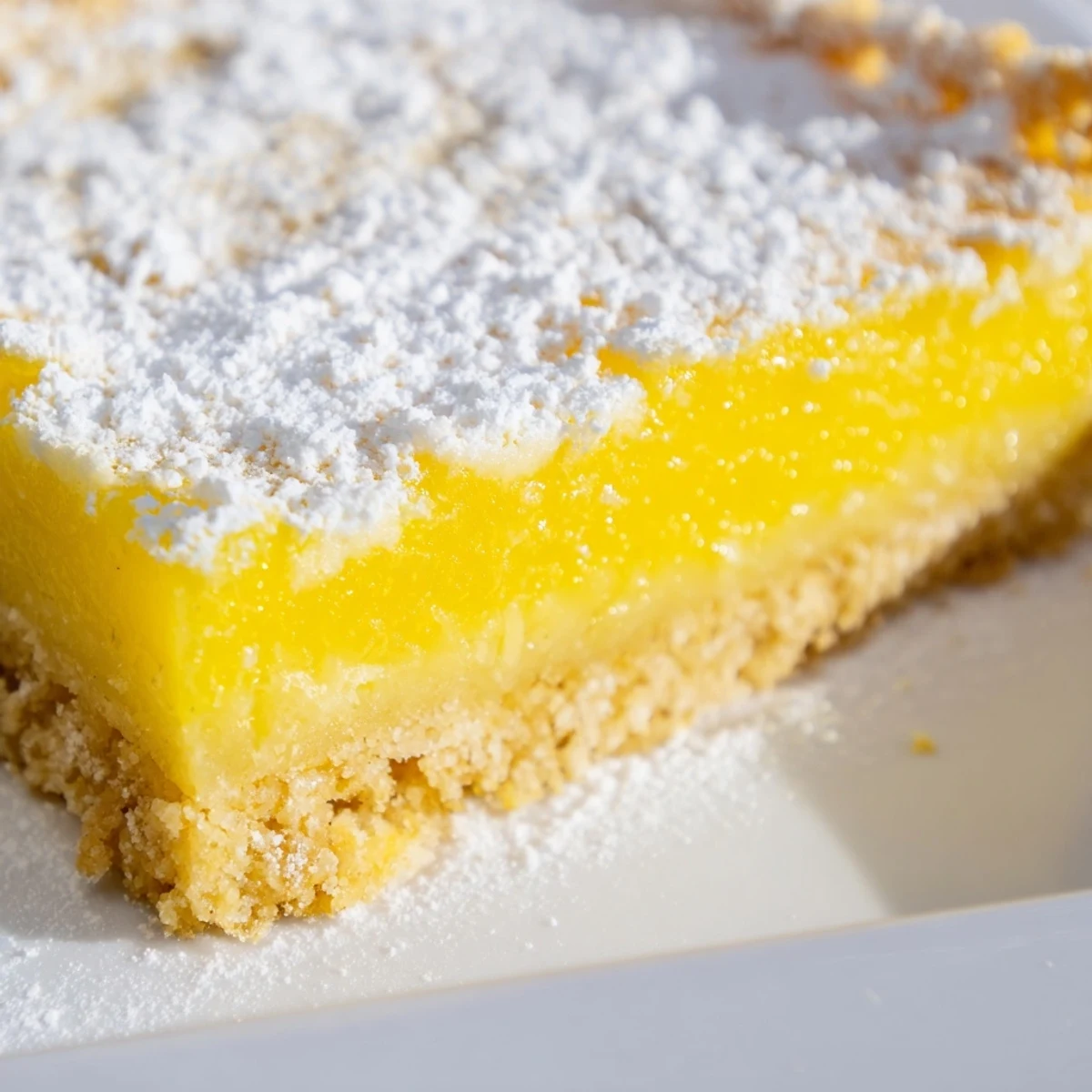
- A generous dusting of powdered sugar just before serving is both protection and presentation—it keeps them from sticking together and looks inviting.
 Save to Pinterest
 I remember serving these to my neighbor after she'd been under the weather, and she called me the next day just to say thank you. That's when I realized these bars aren't just dessert—they're comfort, brightness, and a small gesture of care all in one bite.
Why Fresh Lemon Matters
The first time I made these with bottled lemon juice, I couldn't figure out why they tasted dull and one-note. A friend who bakes professionally pointed out that bottled juice loses its volatile oils during processing, leaving you with pucker without depth. Fresh lemon juice has this complexity—citrus notes, a subtle floral quality, almost vanilla undertones. It's worth squeezing a few lemons to get that luminous flavor that makes people pause mid-bite.
The Science of the Shortbread
Shortbread works because butter and flour create a tender crumb structure that can stand up to a wet filling without turning into mush. The key is not to overwork the dough; mixing it just until combined traps pockets of butter that create that sandy, melt-in-your-mouth texture. I've made the mistake of overmixing before, and the result was dense and tough. Now I stop myself the moment I see no visible flour—it feels too gentle, but that's exactly the point.
Storage and Variations
These bars keep beautifully in an airtight container in the fridge for up to four days, though honestly they rarely last that long in my house. For a gluten-free version, swap in a 1:1 gluten-free flour blend and you won't notice the difference. If you want to push the lemon flavor even further, add an extra half-teaspoon of zest or a few drops of lemon extract to the filling—it's a small change that hits differently.
- Store in an airtight container in the refrigerator to keep them fresh and prevent them from drying out.
- For extra intensity, brush a thin lemon syrup (equal parts lemon juice and powdered sugar) over the cooled bars before dusting.
- These freeze beautifully for up to three months, making them perfect for advance prep before guests arrive.
 Save to Pinterest
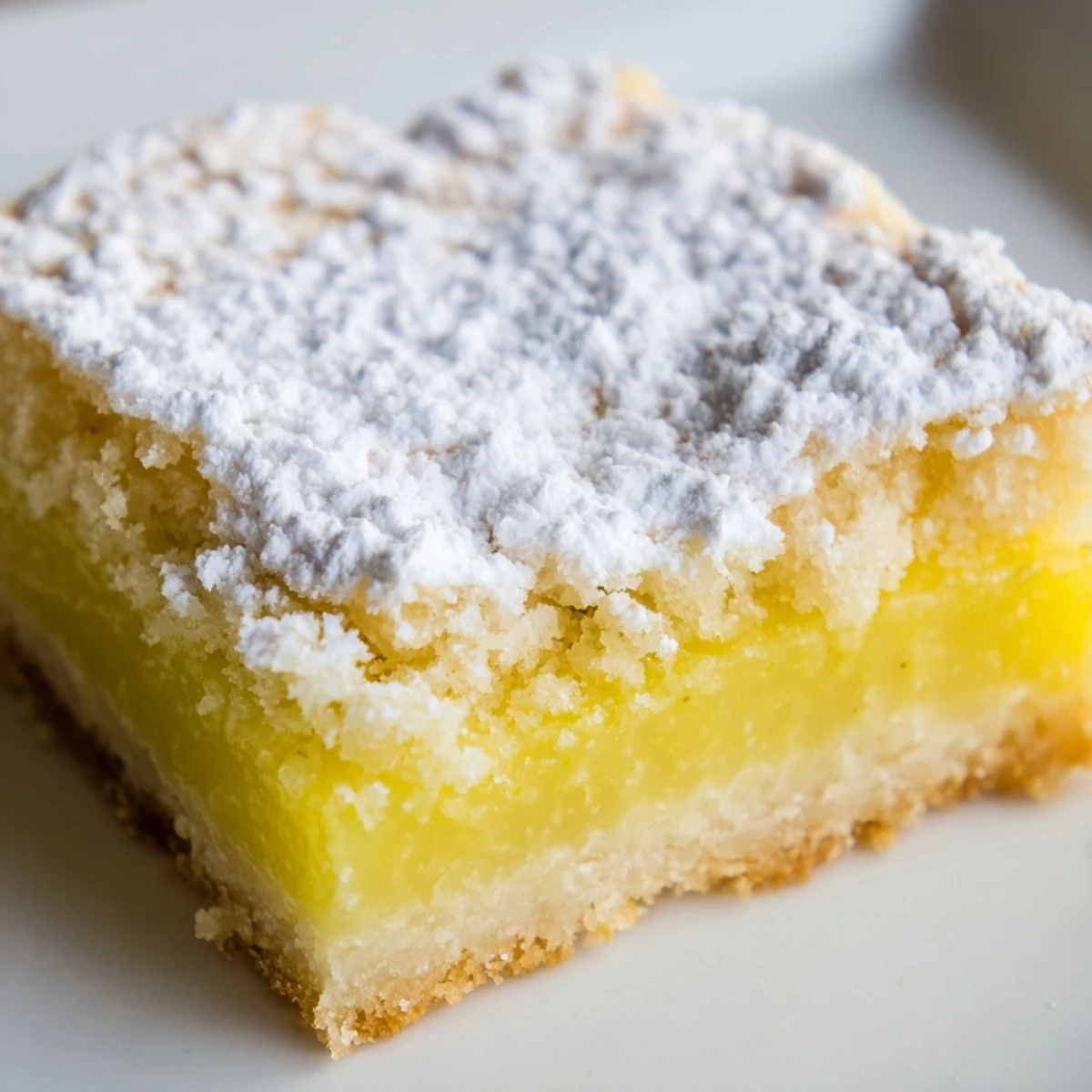
 These lemon bars have a way of turning an ordinary Tuesday afternoon into something worth celebrating. Make them once, and they'll find their way back to your table again and again.
Your Recipe Questions Answered
- → What is the best way to get a flaky shortbread crust?
-
Use softened unsalted butter and mix it lightly with sugar and flour just until combined. Press evenly into the pan, then bake until the crust turns lightly golden to ensure a flaky texture.
- → How can I intensify the lemon flavor in the bars?
-
Add extra lemon zest or a few drops of lemon extract to the lemon filling before baking. Fresh lemon juice is essential for bright, tangy notes.
- → Can I substitute ingredients to make these gluten-free?
-
Yes, replacing the all-purpose flour with a 1:1 gluten-free flour blend works well to maintain texture while accommodating dietary needs.
- → How should the bars be stored for best freshness?
-
Store in an airtight container in the refrigerator. They remain fresh and flavorful for up to four days.
- → What tools are recommended for preparing these bars?
-
A 9x13-inch baking pan lined with parchment paper helps with easy removal. Use a mixer or whisk for combining ingredients, plus measuring tools and a citrus zester for fresh lemon zest.
- → How can I tell when the lemon filling is properly baked?
-
The center should be just set and not jiggly. The edges may appear slightly firmer while the middle finishes setting during cooling.