
 Save to Pinterest
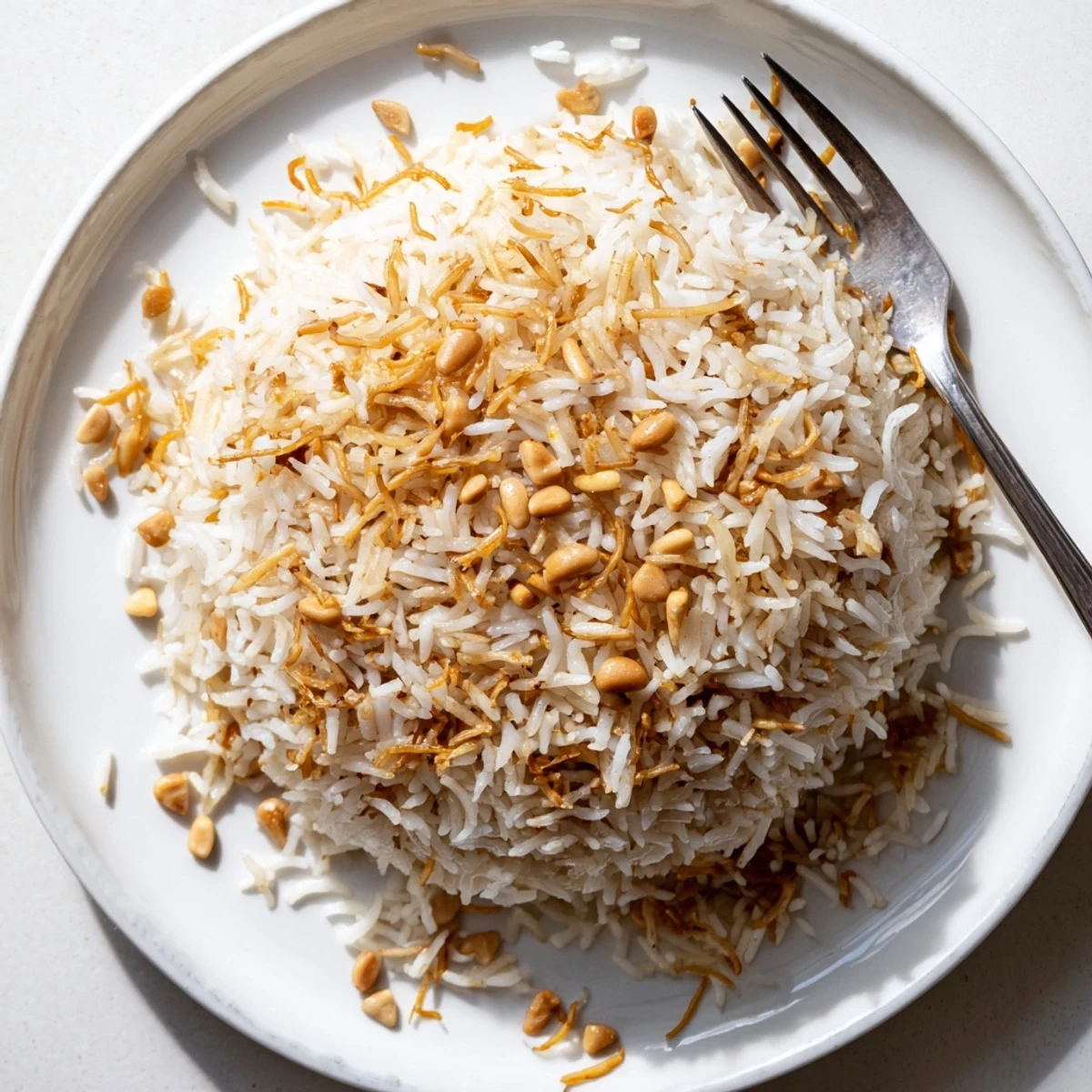
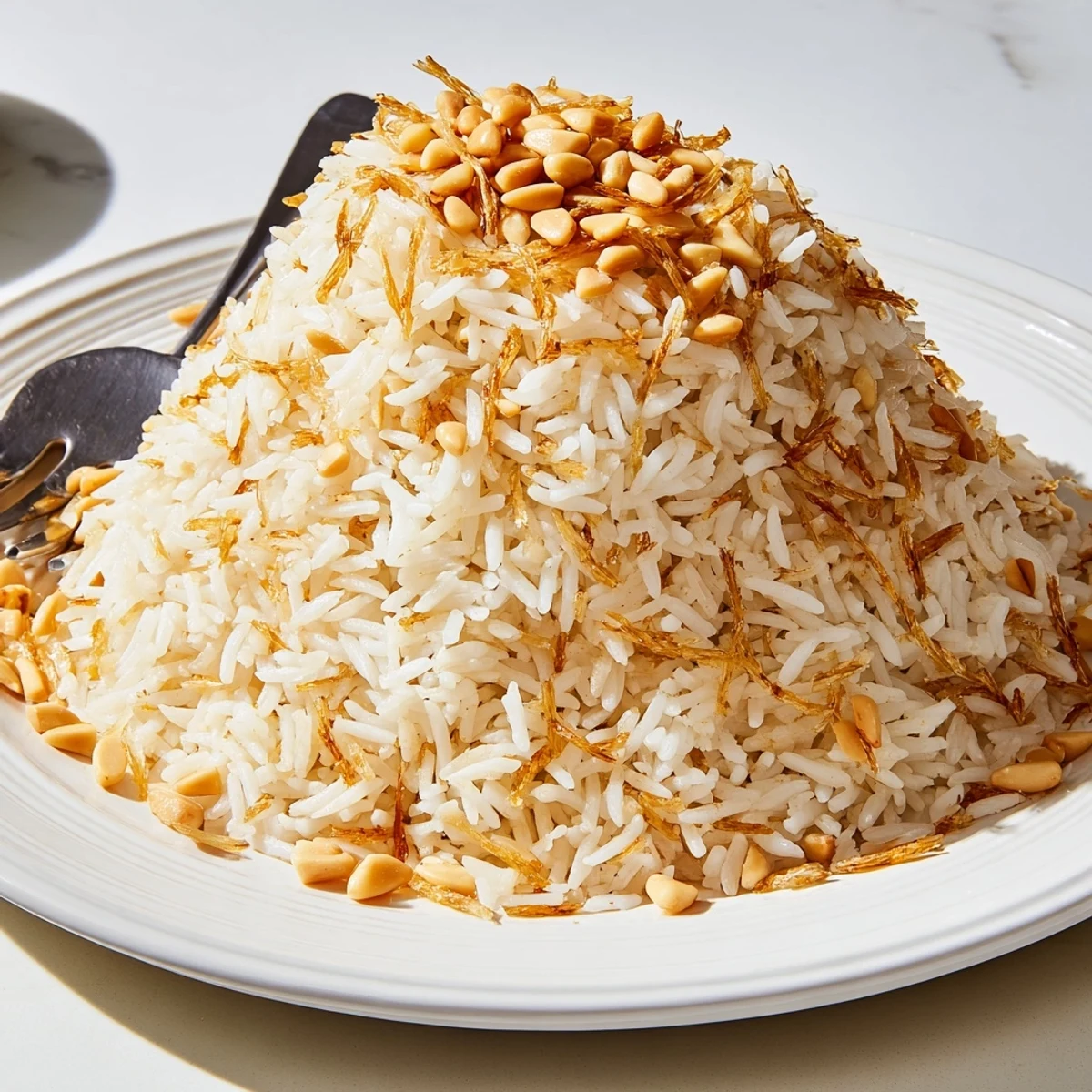
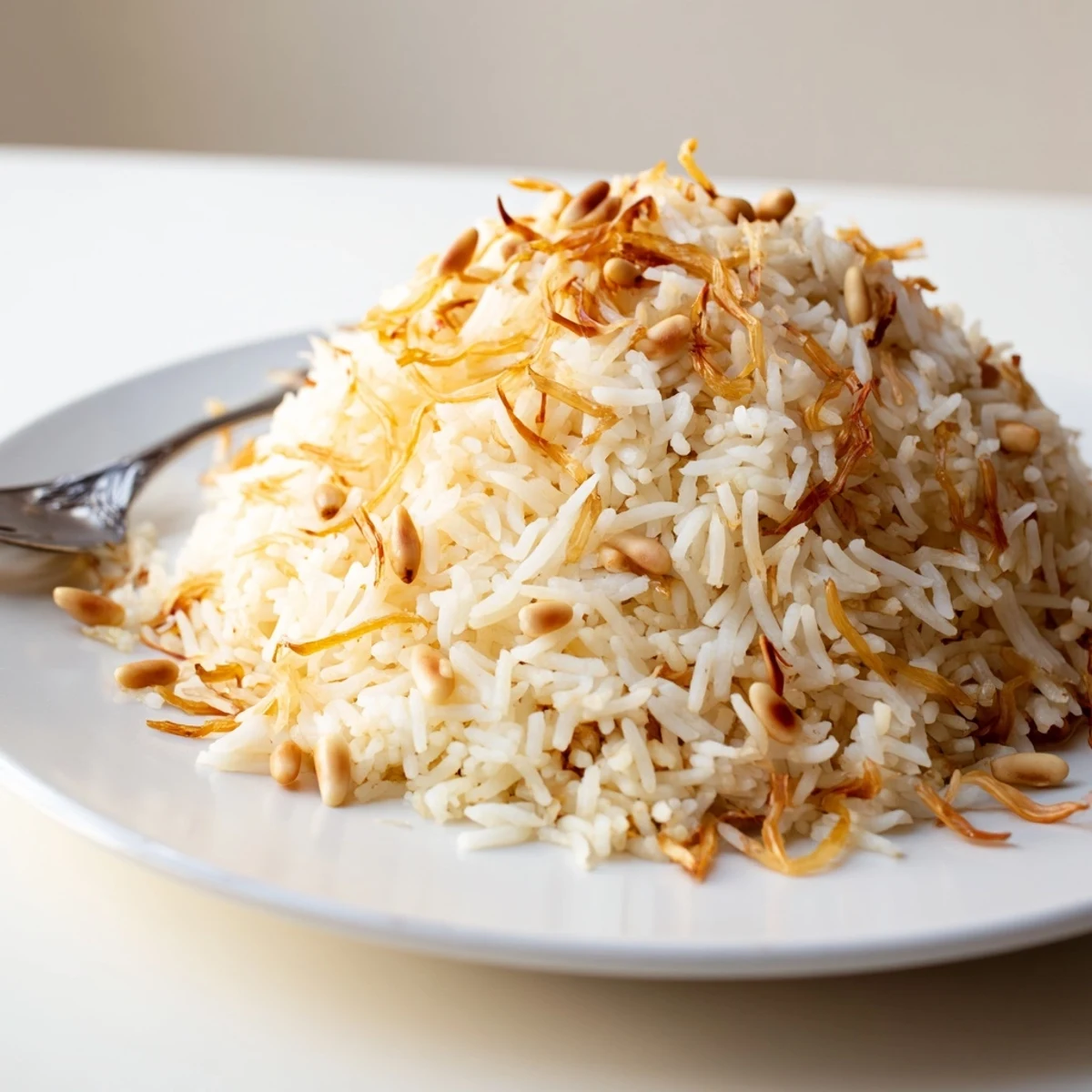
 Lebanese rice is a fragrant, fluffy side dish made by toasting vermicelli noodles in butter or olive oil until deep golden, then simmering with long-grain white rice until perfectly tender.
The key to achieving the signature texture lies in rinsing the rice thoroughly, toasting the vermicelli patiently without burning, and letting the pot rest undisturbed after cooking.
Finished with a garnish of toasted pine nuts, this versatile dish pairs beautifully with grilled meats, hearty stews, or roasted vegetables and comes together in just 25 minutes.
The smell of vermicelli browning in butter is one of those scents that pulls you into the kitchen before you even realize your feet are moving. My neighbor Hala once made this rice while we were deep in a conversation about her grandmother's village near Tripoli, and she toasted the noodles until they were almost too dark, shrugging as she said that is how you know they have real flavor. That slightly nutty, deeply golden pile of rice she served alongside lamb kofta changed the way I thought about something as simple as a side dish.
I have served this at everything from quiet Tuesday dinners to a crowded potluck where three people asked for the recipe before the night was over.
Ingredients
- Long grain white rice (1 cup, about 200 g): Basmati or jasmine work best here because they cook up into distinct, separate grains that fluff rather than clump.
- Vermicelli noodles (1/3 cup, about 40 g): Broken into one inch pieces, these thin pasta strands are the soul of this dish and toast up into something fragrant and golden.
- Unsalted butter or olive oil (2 tablespoons): Butter gives a richer flavor but olive oil keeps it vegan and still deeply satisfying.
- Water or vegetable broth (2 cups, about 480 ml): Broth adds another layer of flavor, though water lets the toasted noodles shine on their own.
- Pine nuts (2 tablespoons, optional): A handful scattered on top turns a humble side into something worthy of a dinner party.
- Salt (1 teaspoon) and black pepper (1/4 teaspoon): Simple seasoning that balances the nuttiness without overpowering it.
Instructions
- Rinse the rice clean:
- Run cold water over the rice in a fine mesh strainer, swirling gently with your fingers, until the water turns from cloudy to nearly clear, then let it drain well.
- Toast the pine nuts:
- Warm the butter or oil in a medium saucepan over medium heat, add the pine nuts if you are using them, and stir them for one to two minutes until they take on a warm golden color before scooping them out onto a plate.
- Brown the vermicelli:
- Toss the broken vermicelli into the same pan and stir without stopping for three to four minutes, watching closely because the line between perfectly toasted and burnt is thin and arrives fast.
- Coat the rice:
- Add the drained rice to the toasted noodles and stir everything together so each grain gets a thin, glossy coat of butter or oil.
- Bring to a boil:
- Pour in the water or broth, season with salt and pepper, and let it come to a gentle bubble across the surface.
- Simmer undisturbed:
- Drop the heat to low, press a tight lid on the pot, and walk away for fifteen minutes while the steam does all the work.
- Rest and fluff:
- Take the pot off the heat, keep the lid on for five more minutes, then fold the rice gently with a fork to separate the grains without crushing them.
- Finish and serve:
- Scatter the reserved toasted pine nuts over the top and bring it straight to the table while it is still steaming.
 Save to Pinterest
 There is a quiet kind of confidence that comes from mastering a dish this simple, the kind that makes you reach for it again and again.
What to Serve Alongside This Rice
This rice plays well with almost anything, but it truly sings next to grilled meats, slow simmered stews, or a plate of roasted vegetables drizzled with tahini.
Making It Ahead and Storing Leftovers
You can cook this a day in advance and reheat it with a splash of water in a covered pan, and the texture holds up remarkably well.
Adapting for Dietary Needs
Olive oil swaps in seamlessly for butter to keep the dish vegan, and the recipe is naturally dairy free as long as you make that switch.
- For a gluten free version, try substituting toasted almond slivers for the vermicelli to keep a nutty crunch.
- Leftover rice that has cooled completely is excellent tossed into a hot pan with garlic and greens for a quick meal.
- Always check packaged vermicelli and broth labels for hidden allergens if serving to someone with sensitivities.
 Save to Pinterest
 Keep this recipe close because once you make it, it becomes one of those dishes you stop thinking about and just cook by heart.
Your Recipe Questions Answered
- → What type of rice works best for Lebanese rice?
-
Long-grain white rice such as basmati or jasmine produces the fluffiest results. These varieties remain separate and light after cooking, which is essential for achieving the proper Lebanese texture. Always rinse the rice under cold water until it runs clear to remove excess surface starch.
- → How do I prevent the vermicelli from burning?
-
Toast the broken vermicelli pieces over medium heat, stirring constantly with a wooden spoon or spatula. The noodles should turn a deep golden brown in about 3 to 4 minutes. Remove the pan from heat immediately once they reach the desired color, as they can go from golden to burnt very quickly.
- → Can I make Lebanese rice vegan?
-
Yes, simply substitute olive oil for the butter. The olive oil adds its own pleasant flavor while keeping the dish entirely plant-based. Use a good quality extra virgin olive oil for the best taste, and ensure your broth is vegetable-based if using liquid broth instead of water.
- → Why should I let the rice rest after cooking?
-
Resting the rice for 5 minutes with the lid still on allows the steam to redistribute evenly throughout the grains. This finishing step ensures the rice firms up slightly, making it easier to fluff with a fork without breaking or mushing the grains. Skipping this step often results in gummy or unevenly cooked rice.
- → What should I serve with Lebanese rice?
-
This versatile side dish complements a wide range of Middle Eastern main courses including grilled lamb kebabs, chicken shawarma, beef kofta, or slow-cooked stews. It also works wonderfully alongside roasted vegetables, baked fish, or as part of a larger mezze spread with hummus and salads.
- → Can I prepare Lebanese rice ahead of time?
-
Yes, Lebanese rice reheats exceptionally well. Store it in an airtight container in the refrigerator for up to 3 days. Reheat gently in a covered saucepan with a splash of water, or microwave covered. Leftover Lebanese rice is also excellent repurposed into fried rice dishes the next day.