
 Save to Pinterest
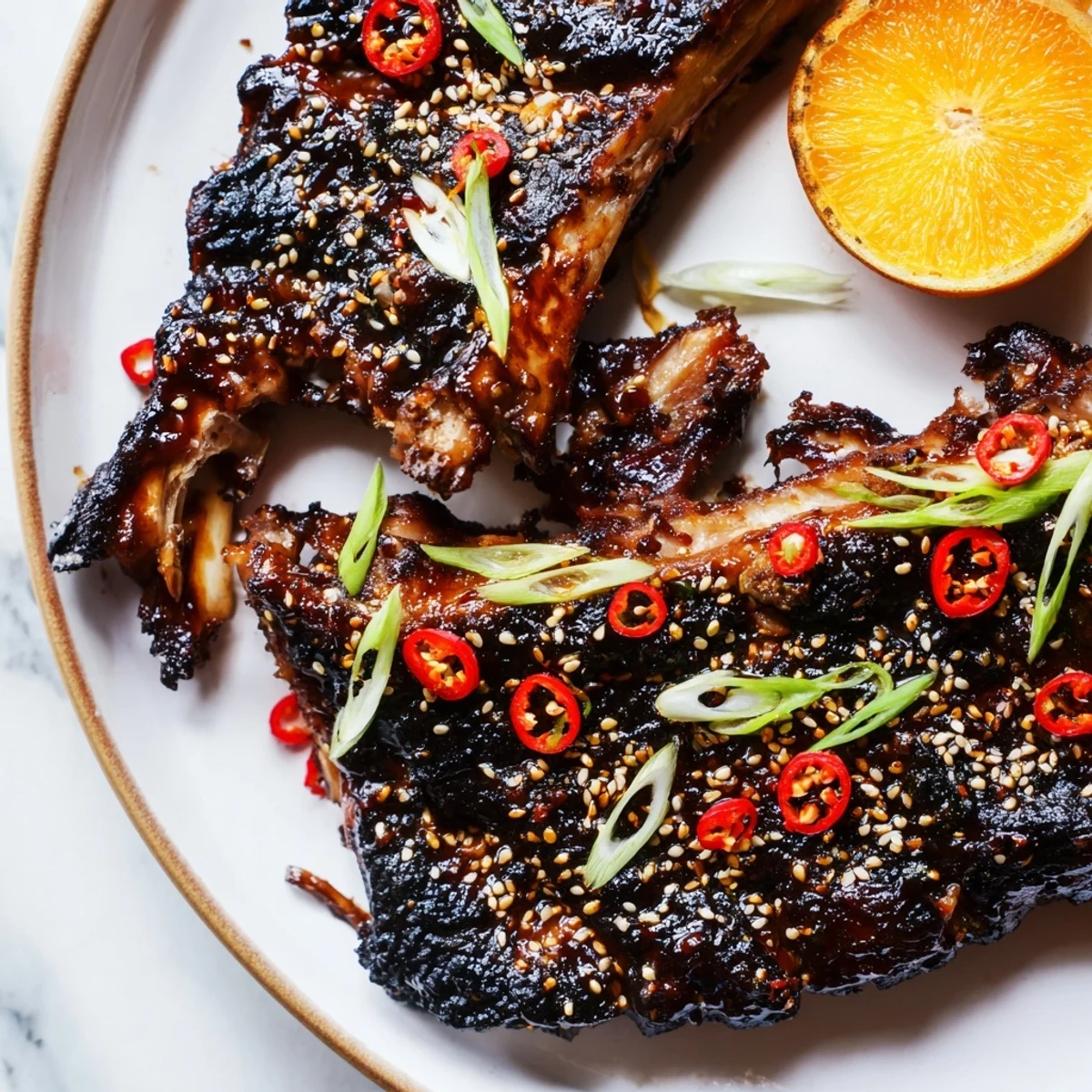
 These Korean BBQ lamb ribs are marinated in a bold blend of gochujang, soy sauce, sesame oil, honey, garlic, and ginger until deeply flavorful. Slow-roasted then finished on a hot grill for that irresistible caramelized char.
A final squeeze of fresh yuzu juice cuts through the richness with its unique floral citrus brightness, while toasted sesame seeds and sliced spring onions add texture and freshness.
Perfect as a main dish for gatherings, served alongside steamed rice, kimchi, or grilled vegetables. Allow at least one hour for marinating, though overnight yields the best results.
The sizzle of lamb ribs hitting a screaming hot grill is a sound that rewires something in your brain, and the first time I heard it was on a rain soaked Tuesday evening when I had no business firing up the coals at all. I had bought the ribs on impulse at a Korean market across town, drawn in by the marbling and the faint sweet smell of the butcher's gochujang sample station. That night changed the way I think about lamb forever, and this recipe is the distilled result of many experiments since, landing on a bright yuzu finish that cuts through the richness like sunlight through storm clouds.
I served these at a backyard gathering last summer when a friend who swore she hated lamb tried one, went quiet for ten seconds, and then ate three more without saying a word. Her husband leaned over and whispered that she had just been lying to herself for years, and honestly that plate of ribs deserved all the credit. Cooking for converts is one of life's quiet thrills.
Ingredients
- Lamb ribs (1.5 kg): Ask your butcher for racks with good fat coverage because that fat renders down and bastes the meat from within during the long roast.
- Soy sauce (4 tablespoons): Use a quality brewed soy sauce, and go gluten free if needed, since this forms the salty backbone of everything.
- Gochujang (2 tablespoons): This fermented Korean chili paste brings heat, sweetness, and umami all at once, and no other ingredient can truly replace it.
- Sesame oil (2 tablespoons): Toasted sesame oil adds a nutty depth that ties the whole marinade together, so do not skip it.
- Honey (2 tablespoons): The honey helps create that gorgeous sticky glaze during the final grill, and it balances the fermented heat of the gochujang.
- Garlic (4 cloves, minced): Fresh garlic only, because the jarred stuff loses the sharp punch that makes this marinade sing.
- Fresh ginger (2 tablespoons, grated): Grate it finely so it melts into the marinade rather than leaving stringy bits on the ribs.
- Rice vinegar (1 tablespoon): A mild acidity that brightens the marinade without competing with the yuzu finish.
- Brown sugar (1 tablespoon): Works alongside the honey to build caramelization on the grill.
- Black pepper (1 teaspoon, freshly ground): Fresh cracked pepper adds a gentle warmth that rounds out the chili heat.
- Spring onions (2, finely chopped, plus 2 more for garnish): Split between the marinade and the final garnish for layered onion sweetness.
- Yuzu fruit (1) or yuzu juice (3 tablespoons): This aromatic Japanese citrus is the star of the finish, and you will wonder how you ever made lamb without it.
- Toasted sesame seeds (1 tablespoon): A sprinkle at the end adds crunch and a toasty aroma that signals something special is on the plate.
- Red chili (1, finely sliced, optional): For those who want an extra kick of color and heat on top.
Instructions
- Build the marinade:
- In a large bowl, combine the soy sauce, gochujang, sesame oil, honey, garlic, ginger, rice vinegar, brown sugar, pepper, and chopped spring onions, stirring until you get a thick, glossy paste that smells simultaneously sweet and fiercely savory.
- Coat and rest the ribs:
- Place the lamb ribs in a large resealable bag or shallow dish, pour the marinade over them, and use your hands to massage it into every fold and crevice. Let them rest in the refrigerator for at least one hour, though overnight transforms the flavor completely.
- Set up the slow roast:
- Preheat your oven to 160 degrees C (320 degrees F), line a baking sheet with foil, and set a wire rack on top so the ribs cook evenly with air circulating underneath. Arrange the ribs on the rack and keep any leftover marinade in a small bowl for basting.
- Roast low and slow:
- Cook the ribs for one full hour, pulling them out halfway through to baste generously with the reserved marinade so the flavor builds in layers as the fat renders down.
- Char and caramelize:
- Fire up your grill or broiler to high heat, transfer the ribs over, and cook for three to five minutes per side until the sugars blister and you get those gorgeous dark charred edges that make everyone hover around the grill.
- Finish with yuzu and garnish:
- Take the ribs off the heat, squeeze fresh yuzu juice generously over the top, and scatter toasted sesame seeds, sliced spring onions, and chili if using, so every piece glistens.
- Serve immediately:
- Place the ribs on a warm platter with extra yuzu wedges on the side, and watch how quickly they disappear from the plate.
 Save to Pinterest
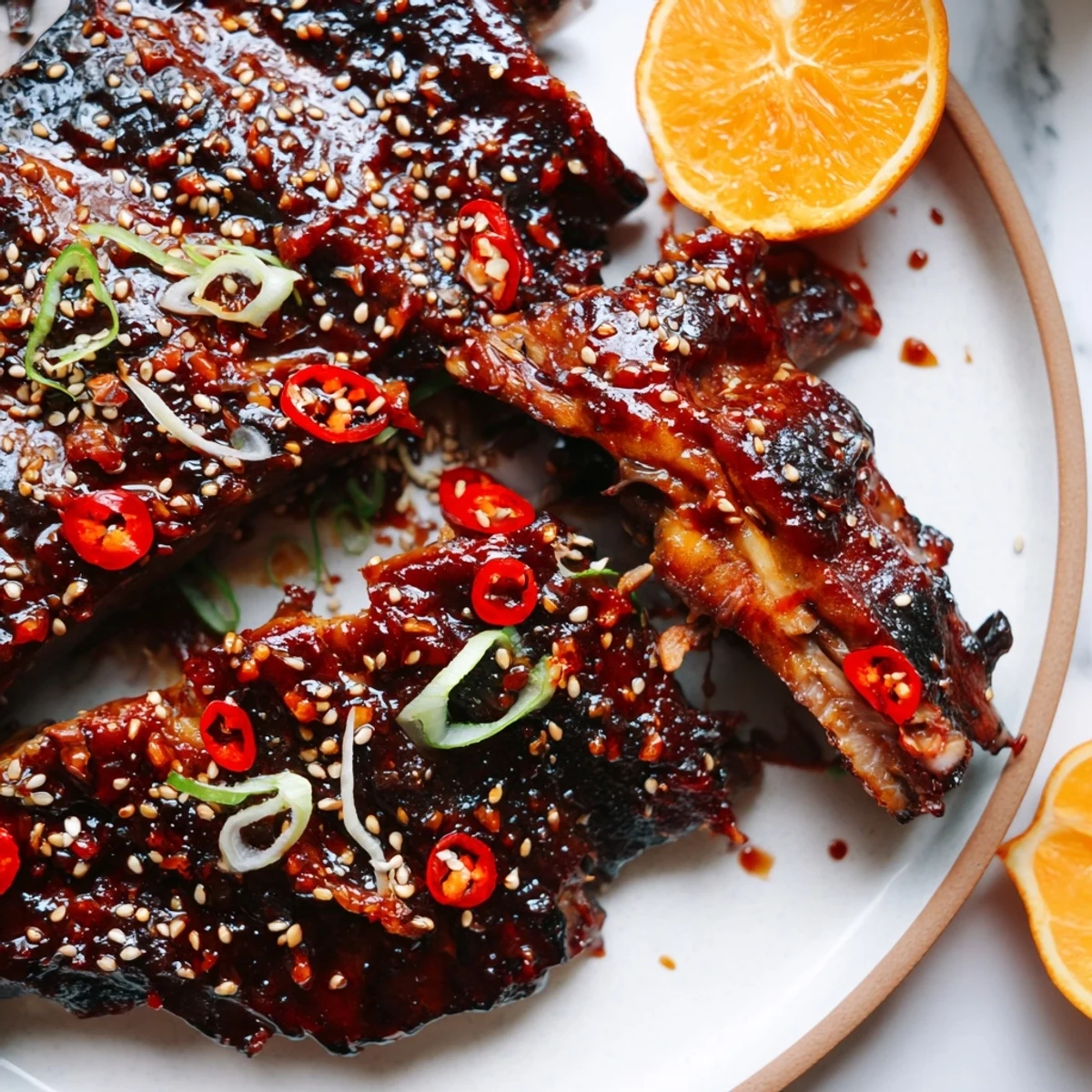
 There is something about a platter of sticky, charred lamb ribs sitting between friends on a cluttered table that turns a regular dinner into a memory worth keeping.
What to Serve Alongside
Steamed white rice is the obvious companion because it soaks up the sweet and spicy juices without stealing attention from the ribs. A plate of tangy kimchi cuts through the richness beautifully, and simple grilled vegetables like zucchini or king oyster mushrooms round out the meal with smoky ease.
Handling Yuzu and Substitutions
Fresh yuzu can be tricky to find outside of specialty markets, but the bottled juice works nearly as well if that is what you can get your hands on. If yuzu is completely unavailable, squeeze half a lemon and half a lime together for a bright, aromatic substitute that still lifts the dish in the same spirit.
Leftovers and Reheating
Leftover ribs reheat surprisingly well if you warm them gently in a low oven rather than microwaving, which turns the edges rubbery and kills the texture. Store them in an airtight container in the refrigerator and they will hold for up to three days without losing much flavor.
- Shred any remaining meat and fold it into fried rice with a drizzle of the leftover juices for a next day lunch that might rival the original dinner.
- If you freeze them, wrap each rack tightly in foil first and thaw overnight in the refrigerator before reheating gently.
- Always squeeze a little fresh yuzu or citrus over reheated ribs because the bright top note fades after a day in the fridge.
 Save to Pinterest
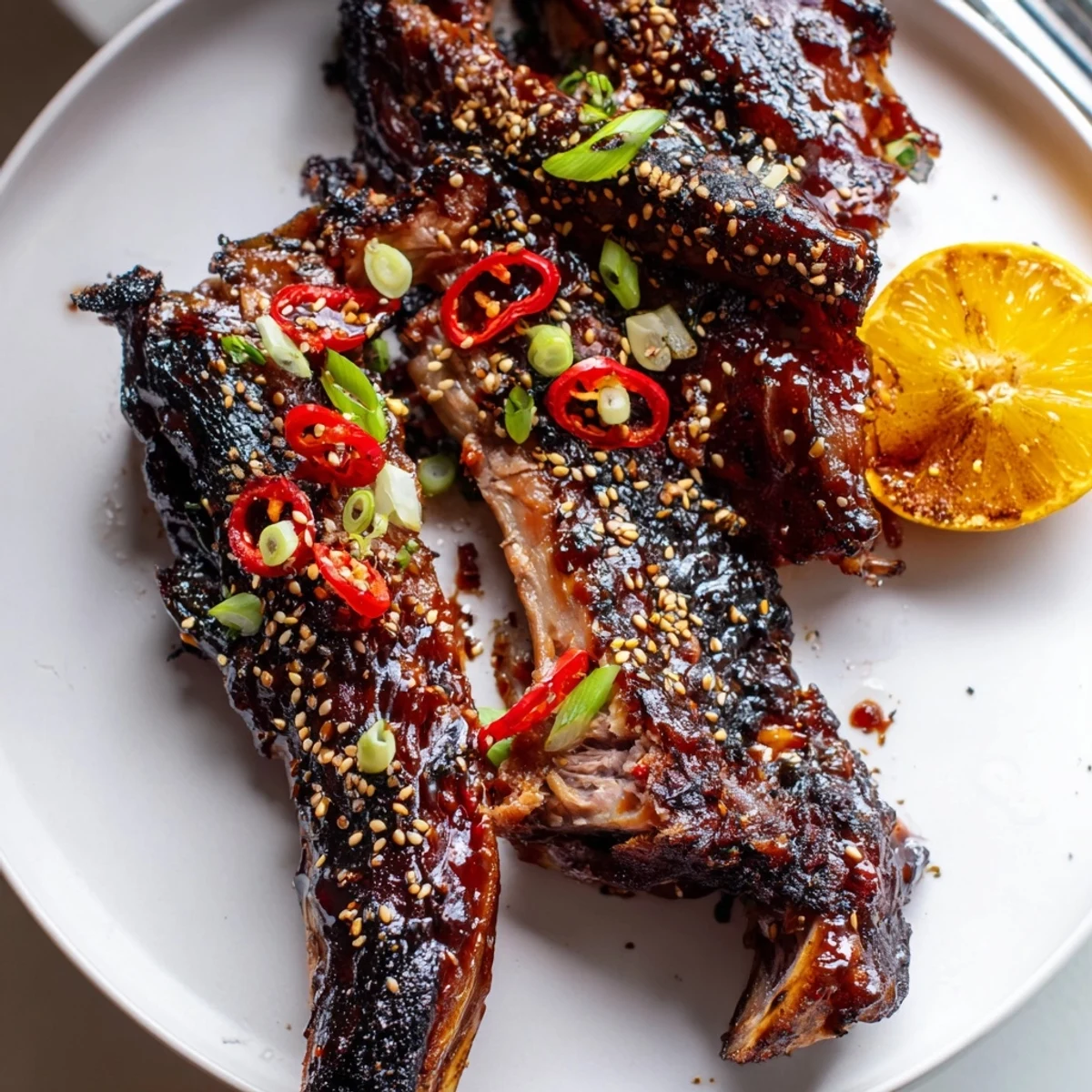
 Once you taste these ribs straight off the grill with that first hit of yuzu, you will understand why this recipe earned a permanent spot in my rotation. Share them with someone who thinks they do not like lamb, and enjoy the quiet satisfaction of proving them wrong.
Your Recipe Questions Answered
- → What cut of lamb works best for Korean BBQ ribs?
-
Lamb riblets or lamb breast ribs are ideal for this preparation. They have good fat content that renders down during the slow roast, keeping the meat tender and juicy while absorbing the marinade beautifully.
- → Can I substitute yuzu with another citrus?
-
Yes, if yuzu is unavailable, use a mix of equal parts lemon and lime juice. This combination mimics yuzu's unique floral aroma and tartness reasonably well while still providing that bright finishing touch.
- → How long should I marinate the lamb ribs?
-
At minimum one hour, but overnight marinating in the refrigerator delivers the most flavorful and tender results. The extended time allows the gochujang, soy sauce, and aromatics to deeply penetrate the meat.
- → Can I cook these ribs entirely on the grill?
-
For best results, start with slow roasting in the oven at 160°C to tenderize the meat, then finish on a hot grill for caramelization. Grilling entirely works but requires careful indirect heat management to avoid burning the sugary marinade before the meat is tender.
- → Is this dish spicy?
-
The gochujang provides a mild, savory heat that builds gradually. For more spice, increase the gochujang amount or add Korean chili flakes. The yuzu squeeze also helps balance and mellow the heat with its citrusy brightness.