
 Save to Pinterest
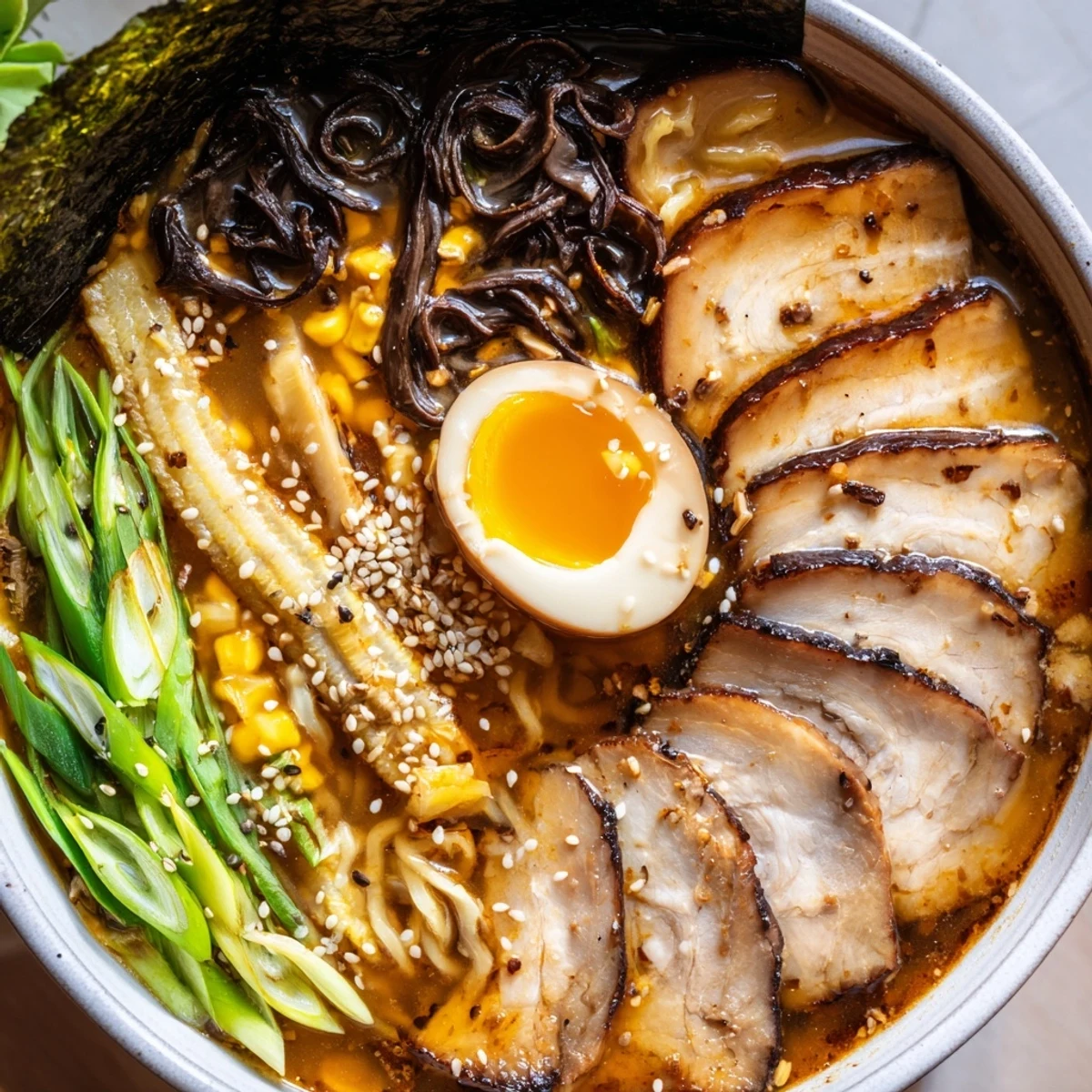
 This Japanese ramen brings together a deeply flavored miso-soy broth simmered with garlic and ginger, tender fresh noodles, and a vibrant array of toppings.
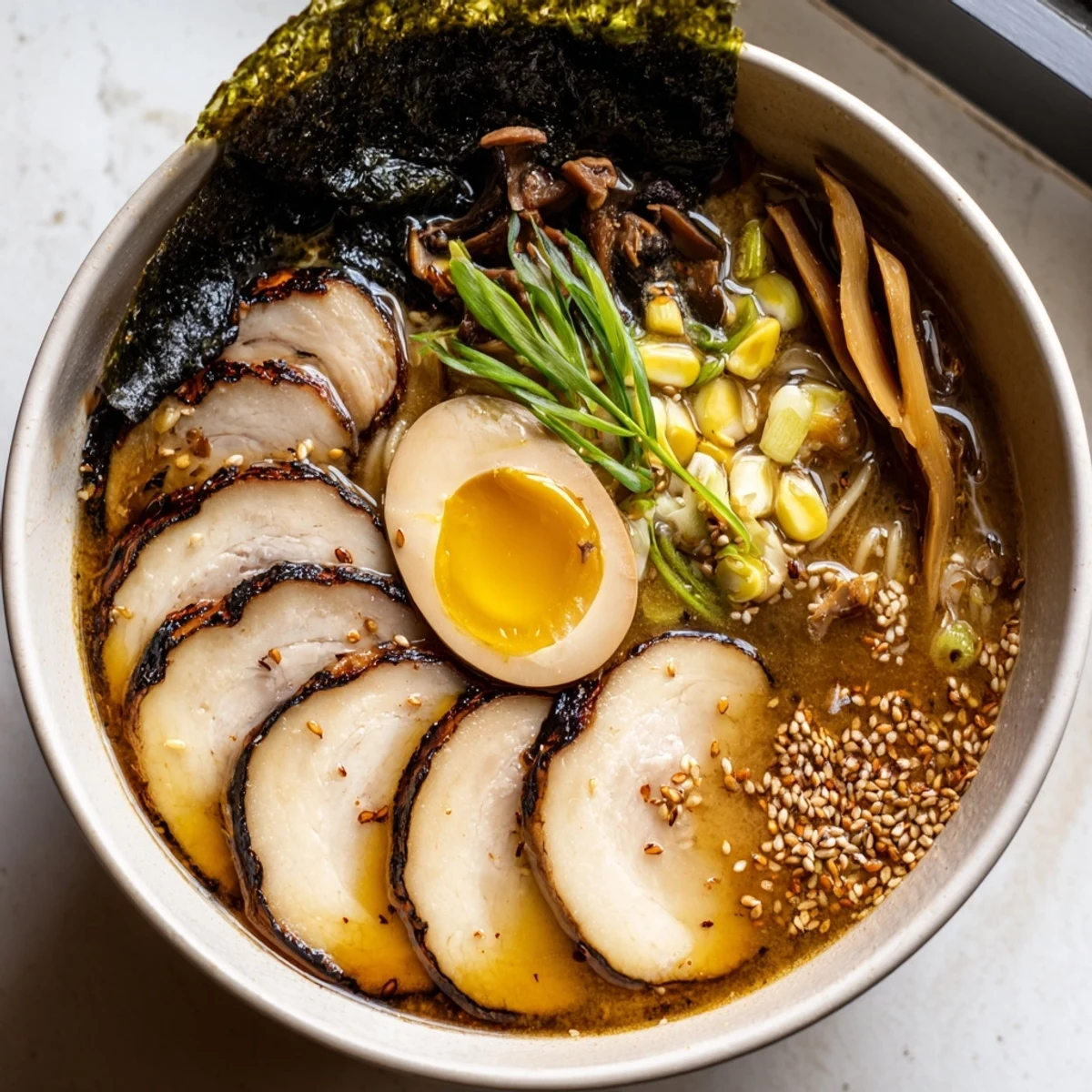
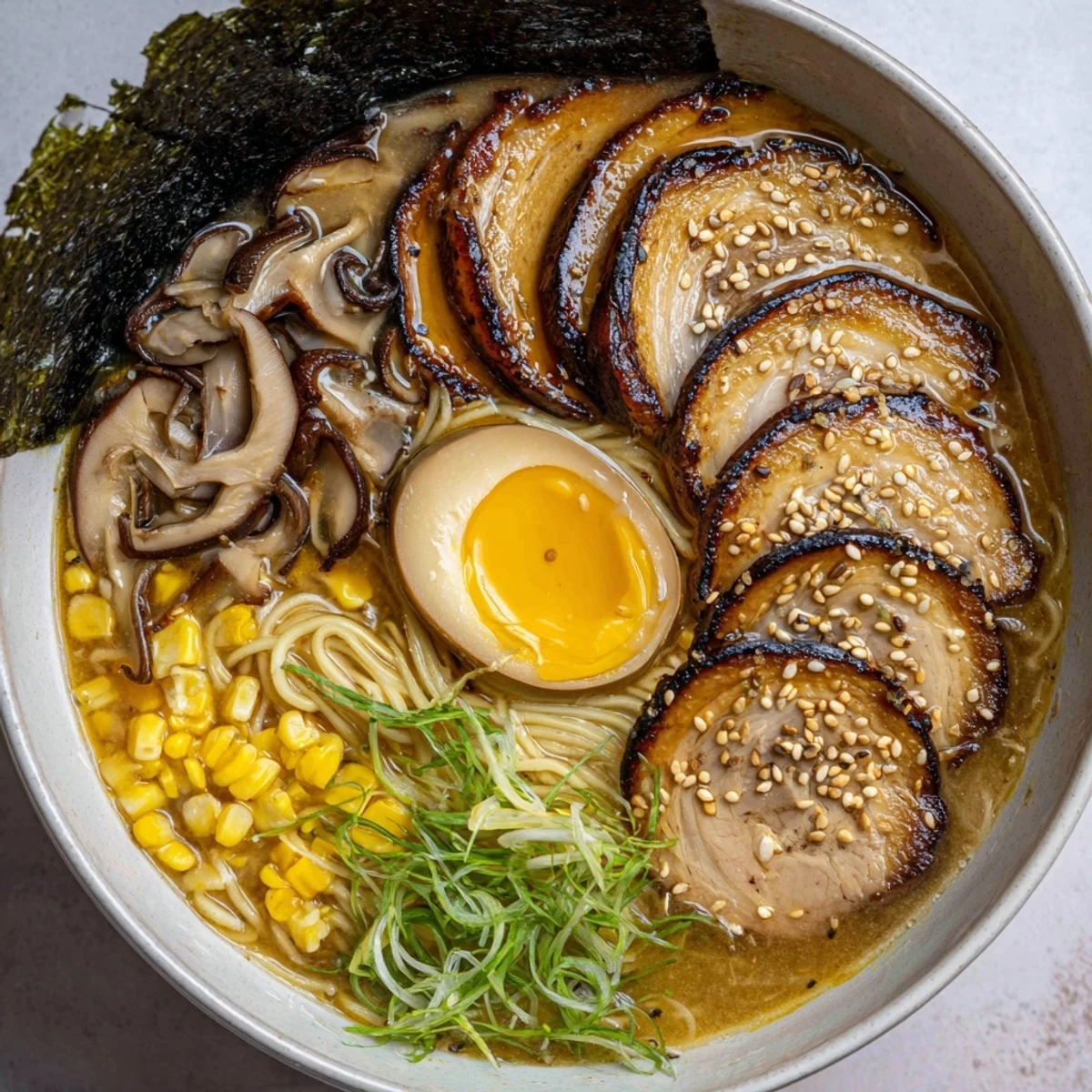
Soft-boiled eggs with jammy yolks, sliced pork belly or chicken, earthy shiitake mushrooms, and crisp spring onions layer beautifully in each bowl.
Ready in under an hour, it delivers the kind of satisfaction you'd expect from your favorite ramen shop.
There is something almost meditative about watching steam curl up from a bowl of ramen on a cold evening, the way the broth catches the light and the noodles hide beneath like buried treasure. My apartment kitchen is small and the exhaust fan barely works, which means every batch of this broth perfumes the hallway for hours. My neighbor once knocked not to complain but to ask what I was cooking and whether there was any left. That night I learned that ramen is not just food, it is an invitation.
A friend visited from out of town last winter and I made this ramen while we caught up at the kitchen counter. She talked about her new job and I stirred the broth, and at some point we both went quiet because the smell had filled the room and neither of us wanted to break the spell. We ate sitting on the floor with the bowls balanced on our laps because my table was covered in topping prep. She texted me the next week asking for the recipe, and now it is part of her winter rotation too.
Ingredients
- Chicken or pork broth (1.5 liters): Use a good quality broth since it is the backbone of the entire bowl and a weak one will show through no matter what else you add.
- Soy sauce (2 tbsp): This adds salt and umami, and I learned the hard way that adding more is not always better so start with two tablespoons and taste before adjusting.
- Miso paste (1 tbsp): Dissolve it in a small ladle of hot broth before stirring it in, otherwise you get clumps that never quite blend.
- Sesame oil (2 tsp): Toasted sesame oil is what gives the broth its warm nutty fragrance and a little goes a long way.
- Garlic cloves, minced (2): Fresh garlic makes a difference here and you want it fragrant but not browned when you saut it.
- Ginger, sliced (1 thumb sized piece): Slice rather than mince so you can strain it out later and get all the warming spice without bits in your teeth.
- Mirin (1 tbsp): This adds a subtle sweetness that rounds out the salt and balances the miso beautifully.
- Fresh ramen noodles (400 g): Fresh noodles have a springy chew that dried ones cannot match, though dried work fine in a pinch.
- Soft boiled eggs (2): Six minutes in gently boiling water gives you a jammy yolk that oozes into the broth when you break it open.
- Cooked pork belly or chicken breast (200 g): Slice it thin so it warms through in the hot broth and each bite is tender.
- Shiitake mushrooms (100 g): These soak up the broth flavor and add their own earthy depth to the bowl.
- Nori sheet (1): Cut into strips and tuck them against the side of the bowl for a briny crunch.
- Spring onions (2): Thinly sliced on a sharp diagonal for a fresh sharp bite that cuts through the richness.
- Bamboo shoots (100 g): They add a satisfying crunch and a slight tang that keeps each spoonful interesting.
- Corn kernels and toasted sesame seeds: Use these as you like for sweetness and a finishing crunch on top.
Instructions
- Build the broth:
- Heat sesame oil in a large pot over medium heat until it shimmers, then add garlic and ginger, stirring until your kitchen smells incredible. Pour in the broth, soy sauce, miso paste, and mirin, then let everything simmer together for twenty minutes before straining out the solids.
- Cook the noodles:
- Follow the package directions for your fresh ramen noodles, drain them well, and set them aside while you assemble everything else. Do not overcook them because they will sit in hot broth and continue to soften.
- Prep the toppings:
- Soft boil your eggs for exactly six minutes, plunge them into cold water, peel and halve them when cool enough to handle. Slice your cooked meat and shiitake mushrooms, cut the nori into strips, and thinly slice the spring onions.
- Assemble each bowl:
- Divide the drained noodles among four deep bowls and ladle the hot broth over them generously. Arrange your pork or chicken, eggs, mushrooms, nori, spring onions, bamboo shoots, and corn on top in sections so each spoonful offers something different.
- Finish and serve:
- Sprinkle toasted sesame seeds over everything and carry the bowls to the table while the broth is still steaming. Ramen waits for no one so serve immediately and enjoy it at its peak.
 Save to Pinterest
 There was a Sunday when I made this for myself after a long week, no company, no occasion, just me and the hiss of garlic hitting hot oil. I sat at the counter with my bowl and realized that cooking something this thoughtful for yourself is a quiet kind of kindness. The egg yolk broke into the broth and turned it golden and for a few minutes nothing else mattered.
What to Drink With It
A cold Japanese lager or a dry sake cuts through the richness of the broth and refreshes your palate between bites. I once served this with cheap beer in cans and it was still perfect, so do not overthink the pairing.
Making It Vegetarian
Swap the chicken or pork broth for a robust vegetable broth and replace the meat with pressed firm tofu that you have pan fried until golden on each side. The miso and soy sauce do so much heavy lifting that you will barely notice the meat is gone.
Leftovers and Reheating
Store the broth and noodles separately if you have leftovers, because noodles sitting in broth overnight turn into a soggy mess that no amount of reheating can fix. The broth actually tastes better the next day after the flavors have had time to mingle.
- Reheat broth gently on the stove and cook fresh noodles rather than microwaving everything together.
- Keep extra toppings in small containers so you can rebuild a fresh bowl in minutes.
- Never reboil the broth with the eggs still in it or you will end up with hard boiled eggs and a sad heart.
 Save to Pinterest
 Ramen is proof that a handful of humble ingredients, treated with care, can become something extraordinary. Make it once and it becomes yours forever.
Your Recipe Questions Answered
- → What type of noodles work best for ramen?
-
Fresh ramen noodles are ideal because of their springy texture and ability to hold up in hot broth without turning mushy. If unavailable, look for dried ramen noodles rather than instant ramen packets. Thin, straight noodles pair well with lighter broths, while wavy thicker noodles complement richer miso or tonkotsu-style broths.
- → Can I make the broth ahead of time?
-
Yes, the broth actually benefits from being made a day in advance. Store it in an airtight container in the refrigerator for up to 3 days, or freeze it for up to a month. Reheat gently on the stove and adjust seasoning before serving, as flavors can concentrate after resting.
- → How do I achieve the perfect soft-boiled egg?
-
Bring water to a gentle boil, then lower the eggs in carefully. Cook for exactly 6 minutes for a runny yolk or 6 minutes and 30 seconds for a slightly firmer jammy center. Immediately transfer to an ice bath to stop cooking. Peel gently under running water for the cleanest results.
- → What can I substitute for pork belly?
-
Chicken breast, sliced thigh, or even thinly sliced beef work well as alternatives. For a plant-based option, marinated tofu or tempeh slices can provide satisfying protein. Shiitake mushrooms also contribute a meaty umami quality that helps round out the bowl.
- → How do I store leftover ramen components?
-
Store broth, noodles, and toppings separately in the refrigerator. Broth keeps for 3 days, cooked noodles for 2 days, and toppings should be consumed within 1 to 2 days. Reheat broth until steaming, warm noodles briefly in the broth, and assemble fresh for the best texture and flavor.