
 Save to Pinterest
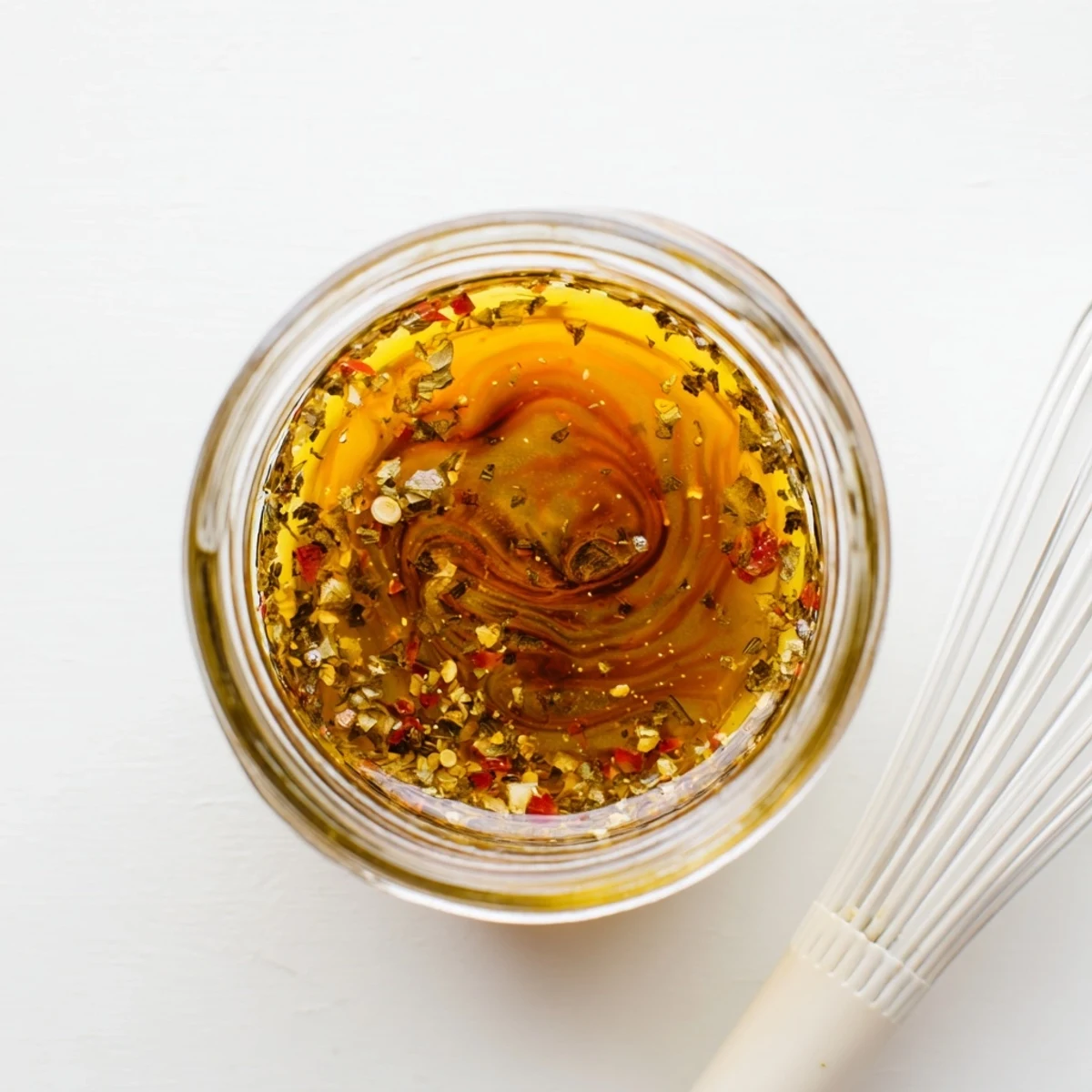
 This classic Italian vinaigrette brings together extra virgin olive oil, red wine vinegar, and fresh lemon juice, infused with aromatic garlic and dried Mediterranean herbs. The emulsion creates a velvety texture that clings beautifully to greens, while the balance of acidity and richness makes it an exceptional marinade for grilled vegetables, chicken, and seafood.
Prepare this versatile dressing in just 10 minutes using pantry staples. The combination of Dijon mustard helps stabilize the emulsion, while dried oregano, basil, and parsley provide authentic Italian flavor. Store in the refrigerator for up to a week—the flavors actually develop and improve over time.
The summer my neighbor gifted me a bag of homegrown tomatoes, I stood in my kitchen realizing I had nothing worthy to dress them with. That humiliating moment sent me rifling through my pantry for vinegar and oil, and what emerged from those humble bottles changed how I think about salad forever. A vinaigrette made from scratch in ten minutes puts any store-bought bottle to shame, and this Italian version has been my weekly staple ever since. It is vibrant, sharp, and alive in a way that makes even plain lettuce exciting.
I brought this to a potluck once and watched three people dip bread directly into the serving bowl after the salad was gone. My friend Elena stood over it with a spoon and declared it liquid gold, which might be the proudest moment of my cooking life.
Ingredients
- Extra virgin olive oil (1/2 cup): Use the best oil you can find since it is the backbone of every flavor here, and a grassy, peppery one will make this sing.
- Red wine vinegar (1/4 cup): The acidity that balances the richness of the oil, and red wine vinegar gives that classic Italian bite.
- Fresh lemon juice (1 tablespoon): Brightens everything and adds a subtle fruitiness that vinegar alone cannot achieve.
- Garlic, finely minced (2 cloves): Freshly minced is nonnegotiable because the pre-jarred stuff tastes flat and tinny by comparison.
- Dijon mustard (1 teaspoon): This is the secret emulsifier that holds everything together and adds a gentle heat.
- Dried oregano (1 teaspoon): The most important herb in this dressing, it brings an earthy, Mediterranean warmth.
- Dried basil (1 teaspoon): Rounds out the herb profile with a sweet, slightly anise note.
- Dried parsley (1/2 teaspoon): Adds a clean, fresh finish without overpowering the other herbs.
- Crushed red pepper flakes (1/2 teaspoon, optional): A whisper of heat that wakes up the whole dressing.
- Honey or sugar (1 teaspoon, optional): Tames the sharpness just enough to make the flavors harmonize.
- Kosher salt (1/2 teaspoon) and freshly ground black pepper (1/4 teaspoon): Seasoning is what separates a flat dressing from one that makes you close your eyes at the first taste.
Instructions
- Build the flavor base:
- In a medium bowl or a mason jar, combine the red wine vinegar, lemon juice, Dijon mustard, minced garlic, oregano, basil, parsley, red pepper flakes, honey if you are using it, salt, and pepper. Whisk everything together until the mustard dissolves and you see a unified, fragrant liquid.
- Emulsify the oil:
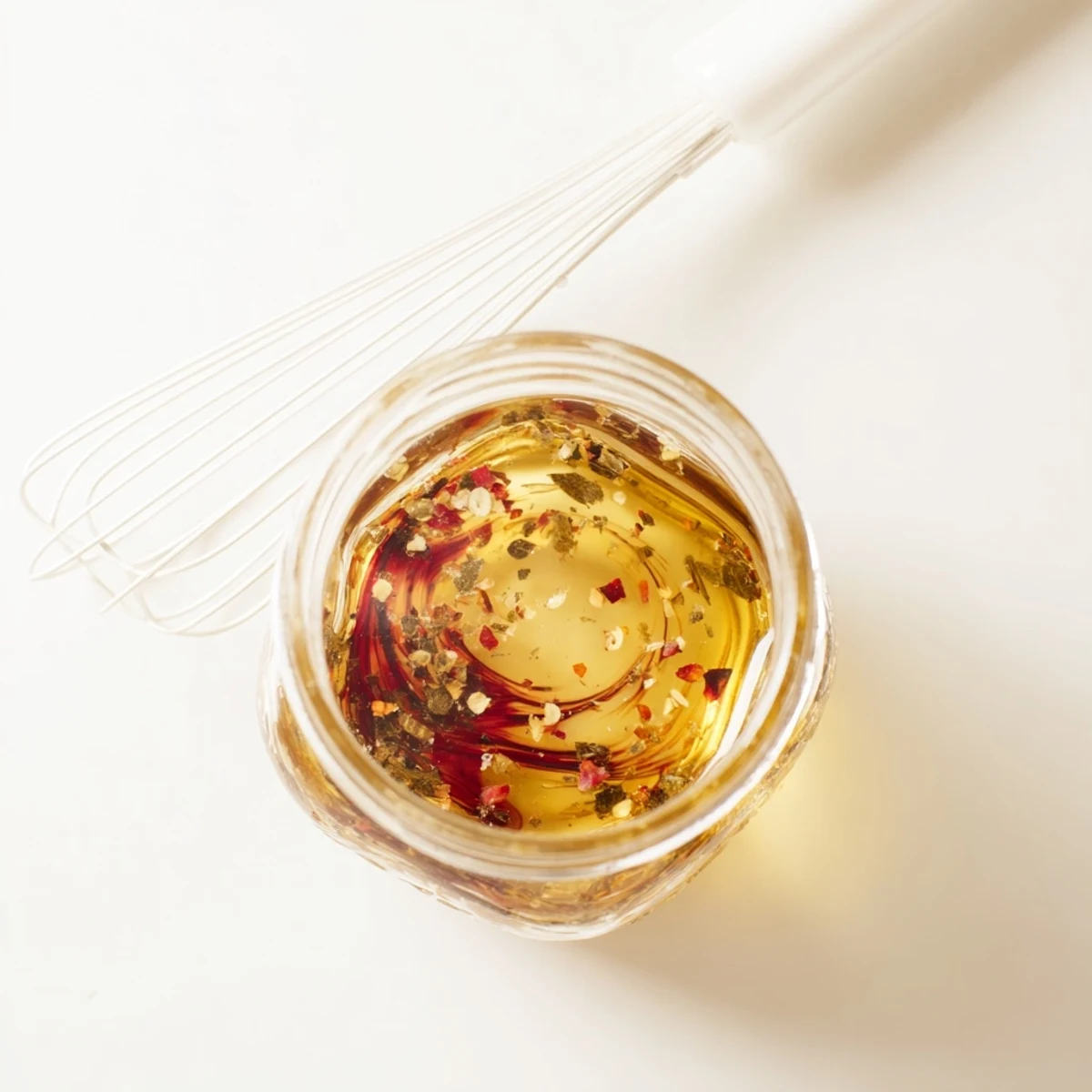
- Start whisking steadily and pour the olive oil in a very thin, slow stream. Keep whisking without stopping and you will feel the mixture thicken and turn creamy as it emulsifies into a silky dressing.
- Taste and adjust:
- Dip a lettuce leaf or a piece of bread into the dressing to taste it properly. Add more salt, a squeeze of lemon, or a pinch of honey until it sings on your palate.
- Store or serve:
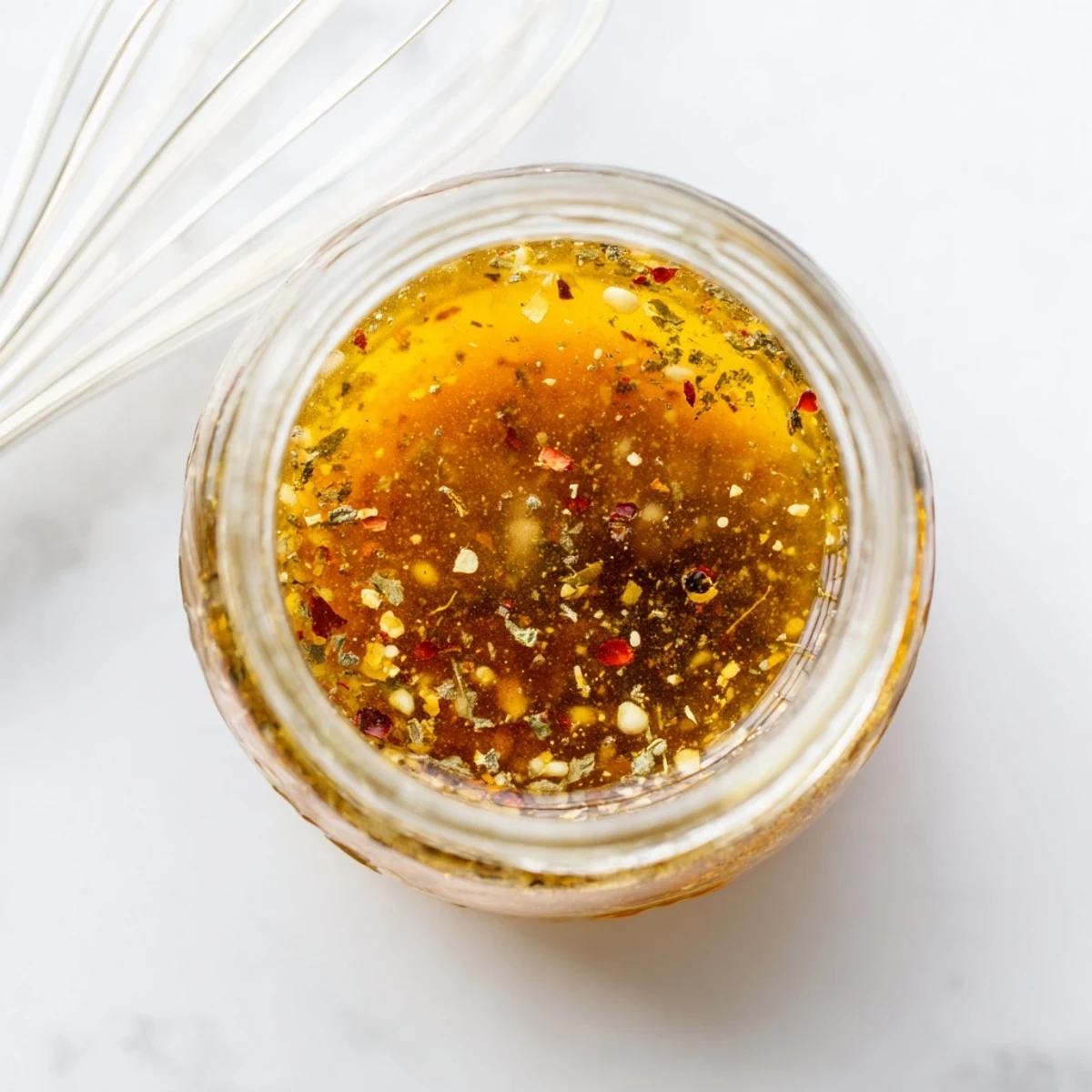
- Use it right away over your favorite salad, or pour it into a jar with a tight lid and keep it in the refrigerator for up to one week. Shake it vigorously before each use because it will separate as it sits and that is completely natural.
 Save to Pinterest
 One rainy Tuesday I tossed this vinaigrette with nothing more than torn butter lettuce, sliced radishes, and a handful of toasted walnuts, and my husband looked up from his plate and said we should eat like this every single night.
What to Dress With This Vinaigrette
It was made for salads, but try it as a last-minute marinade for boneless chicken thighs before grilling. The acid tenderizes the meat while the garlic and herbs form a fragrant crust.
Swaps and Substitutions
White wine vinegar gives you a softer, gentler tang if the red wine version feels too bold. Stir in two tablespoons of grated Parmesan cheese when you want a richer, more savory dressing, though it will no longer be dairy-free.
Tools and Storage
A mason jar with a lid is honestly the best vessel because you can shake the dressing instead of whisking, and then just cap it for storage. A fork works if you do not have a whisk, but the emulsion will be slightly looser.
- A measuring cup with a pour spout gives you the most control during the oil drizzle.
- Always label your jar with the date so you know when the week is up.
- Give it a good shake every time because separation means it is real and free of stabilizers.
 Save to Pinterest
 Keep a jar of this in your fridge and you will find yourself reaching for it at every meal, drizzling it over grains, dunking crusty bread into it, and wondering why you ever bought bottled dressing at all.
Your Recipe Questions Answered
- → How long does homemade Italian vinaigrette last?
-
When stored in an airtight container in the refrigerator, this vinaigrette stays fresh for up to one week. The olive oil may solidify slightly when chilled—simply let it sit at room temperature for a few minutes or give it a quick whisk before using.
- → Can I use dried herbs instead of fresh?
-
Absolutely. This dressing uses dried oregano, basil, and parsley which provide consistent flavor year-round. Dried herbs actually work exceptionally well in vinaigrettes as their flavor infuses readily into the oil and vinegar base.
- → Why add mustard to vinaigrette?
-
Dijon mustard acts as an emulsifier, helping the oil and vinegar blend smoothly and stay combined. It also adds a subtle depth and slight tang that enhances the overall flavor profile without overpowering the Italian herbs.
- → What's the best oil for Italian vinaigrette?
-
Extra virgin olive oil is traditional and provides the most authentic flavor. Its fruity, peppery notes complement the vinegar and herbs perfectly. For a lighter version, you could use half olive oil and half neutral oil like grapeseed or avocado.
- → How can I adjust the acidity?
-
If you prefer a milder flavor, substitute white wine vinegar or reduce the amount of red wine vinegar slightly. The honey option helps balance acidity with natural sweetness. Taste and adjust—the perfect balance is personal preference.