
 Save to Pinterest
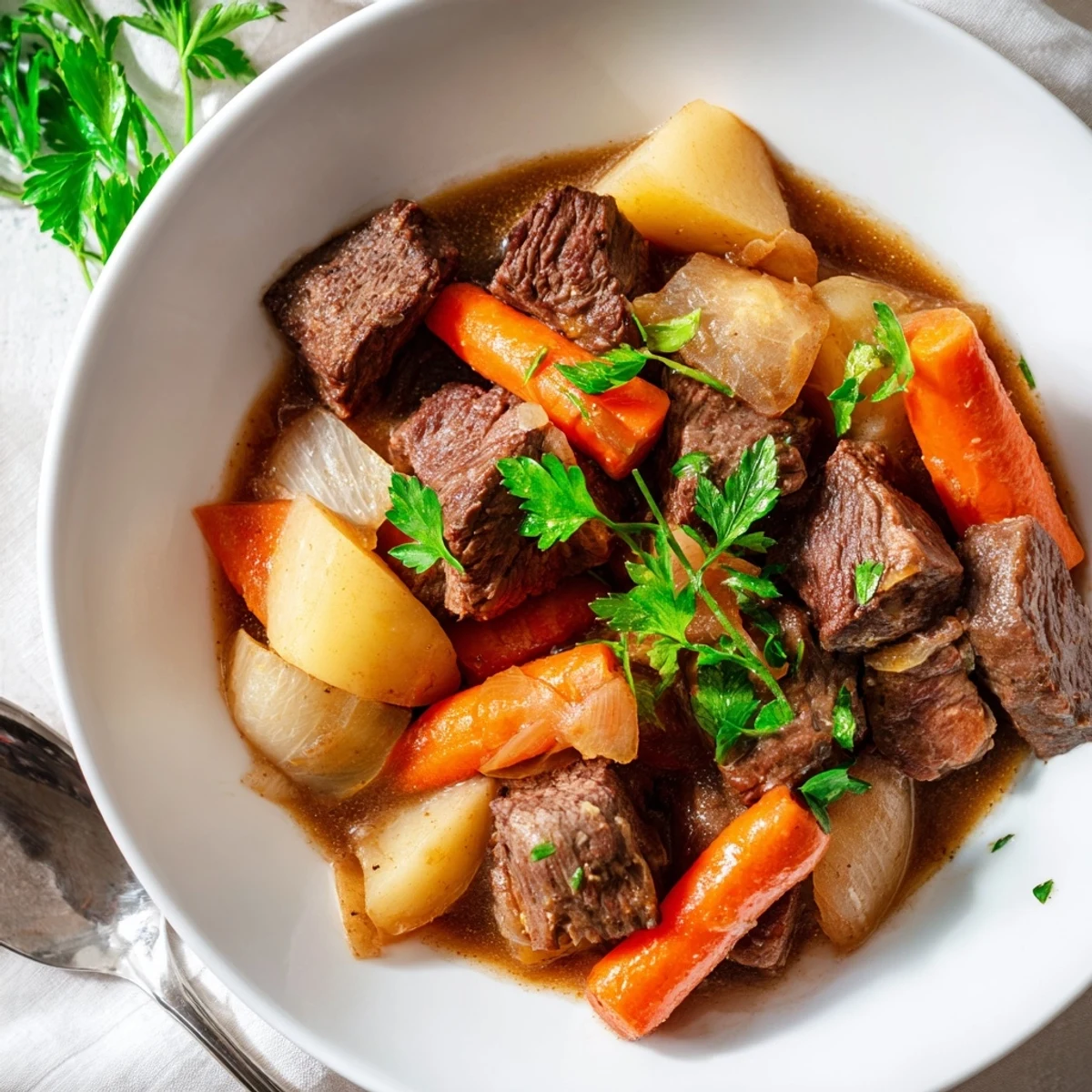
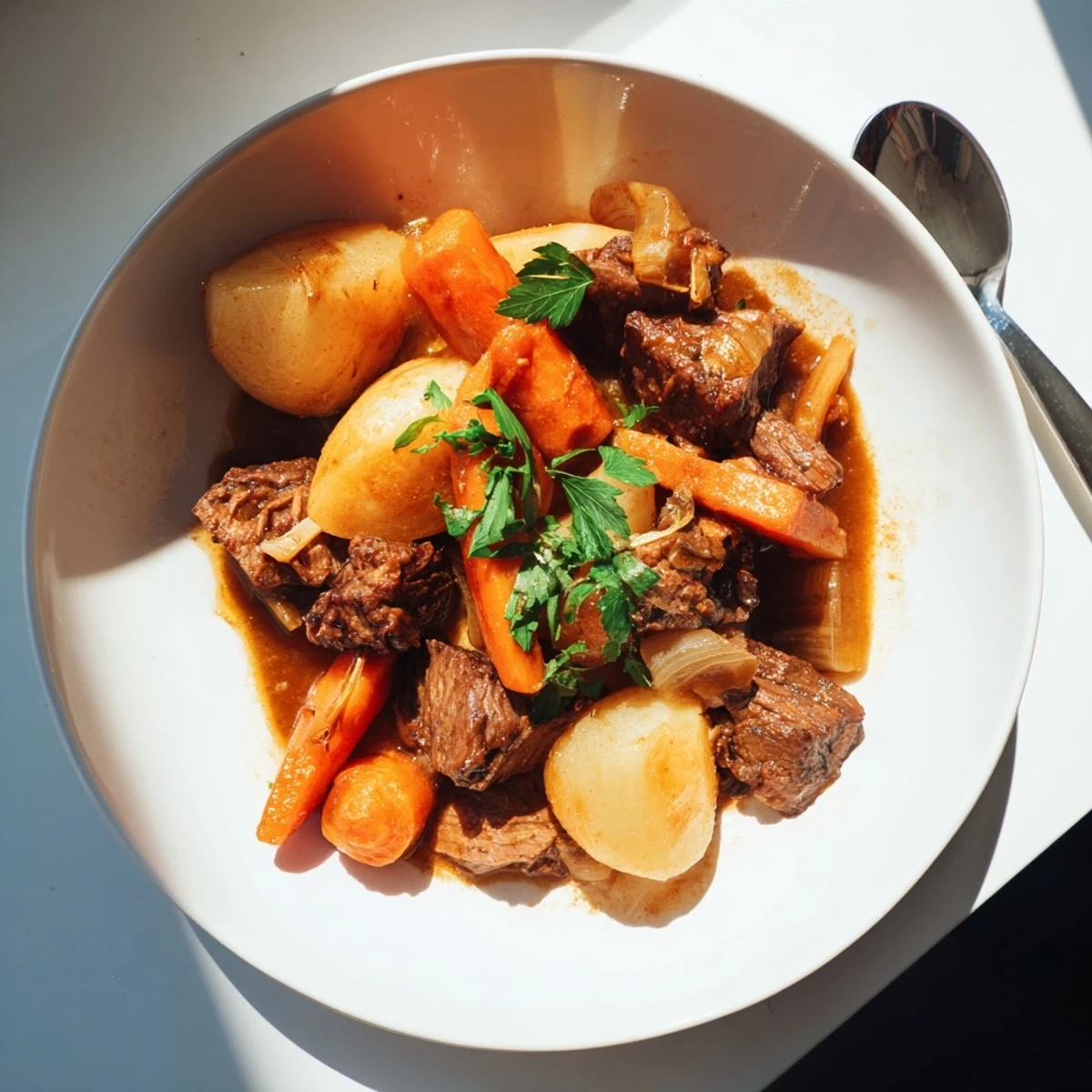
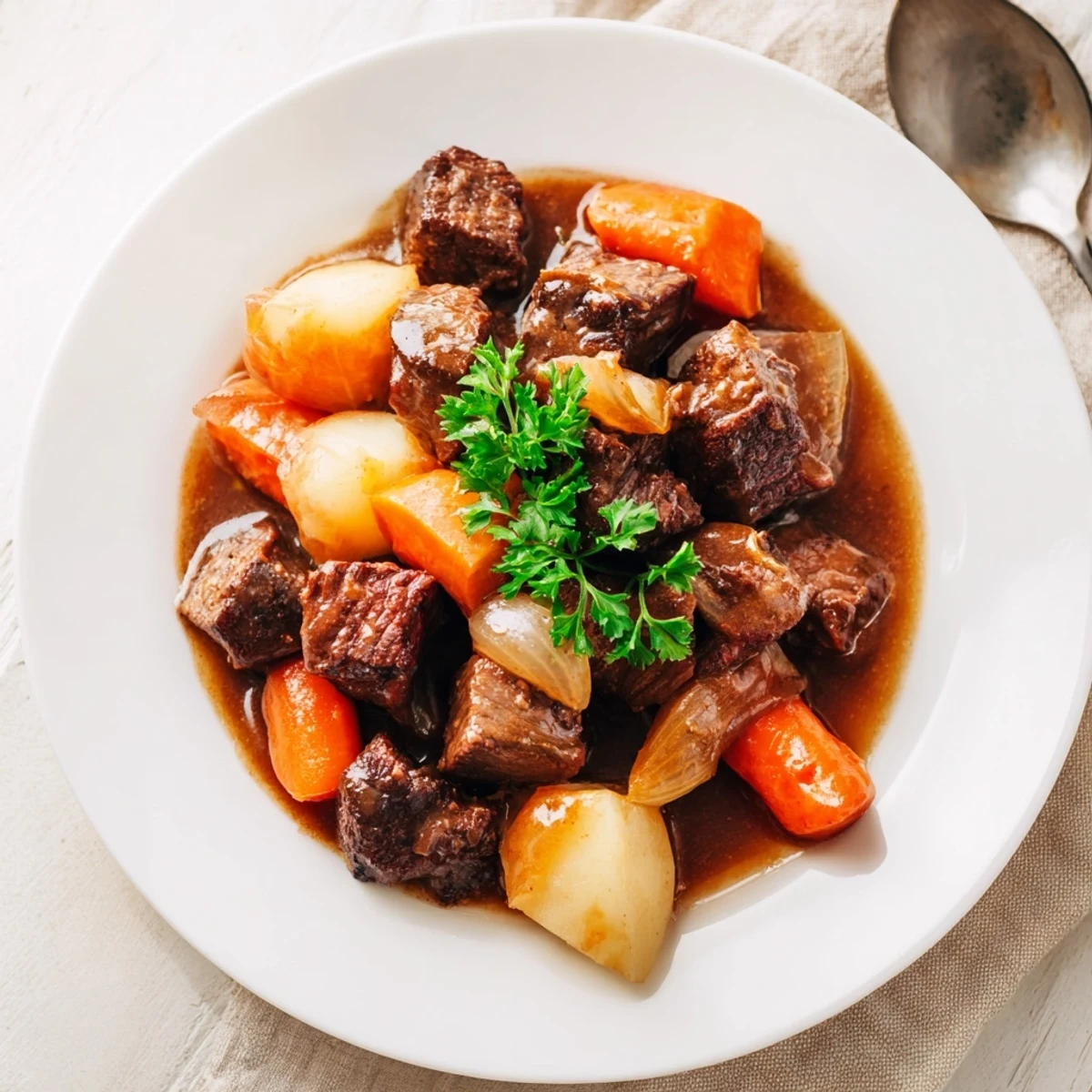
 This classic Irish beef dish features tender cubes of chuck slowly cooked with carrots, potatoes, parsnips, and aromatic herbs in a rich gravy. The use of stout and Worcestershire sauce deepens its savory depth, while the slow simmer melds flavors and softens the meat to a melt-in-the-mouth texture. Finished with fresh parsley, this warming dish offers a satisfying balance of hearty meat and root vegetables, ideal for chilly days.
The kitchen smelled like wet wool and peat smoke the afternoon I first understood what Irish stew could be. My neighbor Eamon had stopped by with a bottle of stout and a story about his grandmother's pot that never seemed to empty, no matter how many cousins showed up at her door in County Kerry. I had planned a quick dinner, but he leaned against my counter and talked about how the vegetables should slump into the broth like tired travelers finding a warm bed. Three hours later, we ate in silence, broken only by the clink of spoons against bowls.
I made this for my sister the winter she moved back home after her divorce, when neither of us knew what to say about anything. She sat at my table in her old college sweatshirt, hood up, and took three bites before she started crying—not sad tears, just the kind that come when someone has been cold for a very long time. We ate two bowls each and watched the snow fill her car's tire tracks in the driveway. She asked for the recipe the next morning, written on the back of a gas station receipt.
Ingredients
- Beef chuck: The marbled shoulder cut that collapses into shreds after slow cooking; buy pieces with visible fat streaks rather than lean cubes that will toughen.
- Irish stout: Guinness is traditional, but any dry stout works; the bitterness cooks away, leaving behind roasted malt complexity that water or plain stock cannot replicate.
- Root vegetables: Carrots, potatoes, and parsnips each bring different sugars and textures; parsnips especially add a honeyed note that balances the savory depth.
- Tomato paste and Worcestershire sauce: The umami duo that bridges meat and vegetables; the Worcestershire adds fermented depth that makes the gravy taste like it cooked for days.
- Fresh parsley: Not optional garnish but essential finishing brightness that cuts through the richness; chop it just before serving to preserve the volatile oils.
Instructions
- Prepare the beef:
- Pat the cubes completely dry with paper towels—moisture is the enemy of browning—and season generously with salt and pepper. The meat should look almost dusty with seasoning; remember you are seasoning for the entire pot.
- Sear in batches:
- Heat the oil until it shimmers and nearly smokes, then add beef without crowding. Leave it undisturbed for several minutes until it releases easily with a deep brown crust; pale gray beef makes pale gray stew.
- Build the base:
- Add onions and celery to the rendered fat, scraping up the fond with a wooden spoon. The vegetables will soften and pick up all that caramelized flavor; add garlic only at the end so it does not burn.
- Create the roux:
- Stir in flour and tomato paste, cooking until the mixture turns brick-red and smells toasted. This raw flour taste must cook out now or it will haunt the finished stew.
- Deglaze with stout:
- Pour the stout slowly, letting it foam and sizzle as you scrape every browned bit from the pot bottom. The liquid will look thin and alarming; trust the process.
- Simmer low and slow:
- Return beef, add stock and seasonings, then cover and resist peeking for a full hour. The gentle bubbling should barely disturb the surface.
- Add the vegetables:
- Root vegetables go in after the initial hour so they do not dissolve into mush; they need just enough time to become tender without losing their shapes.
- Finish and serve:
- Remove bay leaves, taste for salt, and let the stew rest ten minutes off the heat. The parsley should be scattered at the last second, still vivid against the dark gravy.
 Save to Pinterest
 My daughter brought her college roommate home for spring break last year, a quiet girl from Arizona who had never seen snow fall sideways. She watched me make this stew with the kind of attention usually reserved for surgery, asking why I seared the meat and what bay leaves actually do. When she took her first bite, she said it tasted like being tucked into bed, which is the best description I have ever heard.
What to Serve Alongside
The stew demands something to catch the gravy. I keep a loaf of soda bread in the freezer specifically for this purpose, though any crusty bread with real chew will do. My husband prefers it over mashed potatoes, creating a kind of deconstructed shepherd's pie situation that he guards with his forearm while eating.
Making It Your Own
Eamon's grandmother apparently threw in whatever root vegetables were threatening to soften in her cellar, and you should feel equally free. Turnips add pleasant peppery bite, rutabagas bring subtle cabbage sweetness, and a handful of pearl onions slipped in during the last half hour make the whole thing feel slightly fancy without additional effort.
Storing and Reheating
This stew keeps beautifully for four days refrigerated and improves dramatically as the flavors marry. For freezing, ladle into portions before adding the potatoes, which turn mealy when thawed; add fresh potatoes when reheating instead.
- Always cool completely before refrigerating to prevent souring.
- Reheat gently over low heat rather than blasting in the microwave.
- A fresh sprinkle of parsley revives leftover bowls remarkably well.
 Save to Pinterest
 Some recipes become yours through repetition, others through a single perfect moment when they arrived exactly when someone needed them. This one has done both for me, and I hope it finds you at the right time too.
Your Recipe Questions Answered
- → What cut of beef works best for this dish?
-
Beef chuck cut into cubes is ideal as it becomes tender and flavorful during the long, slow cooking process.
- → Can I substitute the stout used in the gravy?
-
Yes, you can use a dark ale or a beef broth alternative to maintain depth and richness in the gravy.
- → How long should the stew simmer for optimal tenderness?
-
Simmering for about 2 hours allows the beef to become tender and the flavors to fully develop.
- → Are there gluten-free options for thickening the gravy?
-
Cornstarch can replace flour to thicken the gravy while keeping the dish gluten-free.
- → What vegetables complement the beef in this stew?
-
Root vegetables like carrots, potatoes, and parsnips add sweetness and texture, creating a balanced and hearty dish.
- → How should the dish be served for best results?
-
Serve hot with crusty bread or atop mashed potatoes for a complete and comforting meal.