
 Save to Pinterest
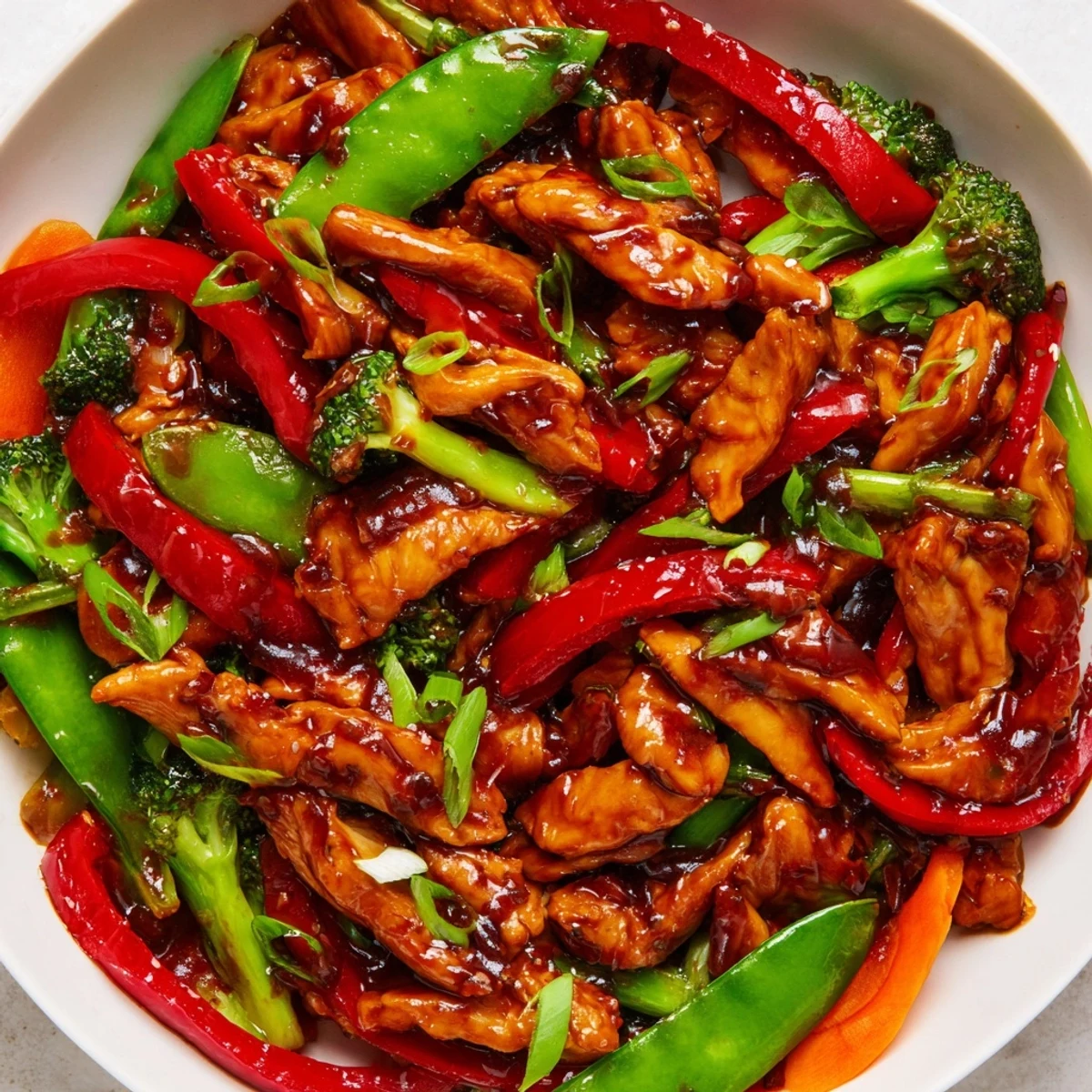
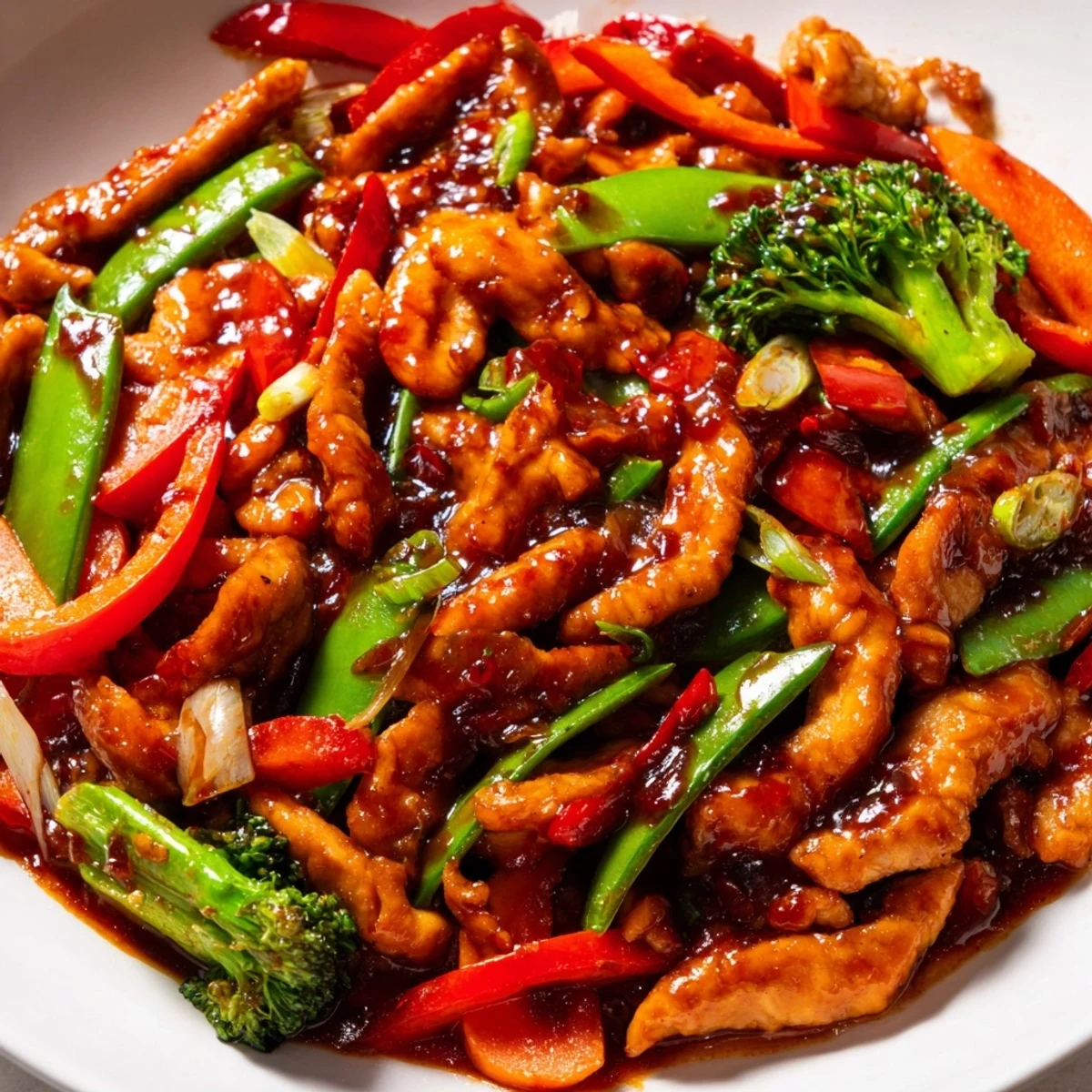
 Hunan chicken is a fiery, bold Chinese stir-fry that brings together thinly sliced chicken breast and a colorful mix of bell peppers, broccoli, snow peas, and carrots.
The dish is defined by its rich chili garlic sauce, which delivers a satisfying heat balanced by savory soy sauce, tangy rice vinegar, and a hint of sugar.
Marinating the chicken briefly in soy sauce, Shaoxing wine, and cornstarch ensures each piece stays incredibly tender during the quick high-heat cooking process.
Everything comes together in a wok in under 15 minutes of active cooking, making it an excellent choice for busy weeknights when you crave something bold and satisfying.
Serve it spooned over steamed jasmine rice to soak up every bit of that thick, glossy chili sauce.
The first time I attempted Hunan Chicken, I underestimated just how quickly those vegetables needed to move across the wok. My broccoli went from crisp to mushy in seconds, and I stood there staring at a pan that had lost its signature crunch entirely. That night taught me everything about timing and heat control in Chinese stir-frying.
I made this for my husband during our first apartment dinner party, nervously explaining that Hunan cuisine packs way more heat than the mild dishes he was used to. Everyone kept fanning their mouths between bites while going back for seconds, and I knew this recipe was a keeper despite the intensity.
Ingredients
- 500 g boneless, skinless chicken breast, thinly sliced: Cutting against the grain into thin strips ensures every bite stays tender during the high heat cooking
- 1 tbsp soy sauce for marinade: This first layer of seasoning penetrates the meat while it sits, building flavor from inside out
- 1 tbsp Shaoxing wine or dry sherry: Adds that authentic restaurant depth you cannot replicate with anything else
- 1 tsp cornstarch for marinade: Creates a protective coating that keeps the chicken silky and juicy
- 1 red bell pepper and 1 green bell pepper, sliced: The sweetness balances all that heat while adding gorgeous color
- 100 g broccoli florets: Holds up beautifully to stir-frying when cut into bite-sized pieces
- 100 g snow peas: These stay crisp no matter what, giving you that satisfying crunch in every forkful
- 1 carrot, sliced thinly: Cut them on the diagonal so they cook at the same speed as everything else
- 2 spring onions, chopped: Both white and green parts go in for layers of aromatic flavor
- 2 cloves garlic, minced and 1 tsp ginger, minced: Prep these ahead because once your wok is hot, you need to move fast
- 2 tbsp soy sauce for sauce: The foundation of your glossy coating
- 1 tbsp oyster sauce: Adds umami richness that makes the sauce taste restaurant-quality
- 1 tbsp rice vinegar: Cuts through the richness and brightens the whole dish
- 1 tsp sugar: Just enough to round out the sharp edges of the chili and soy
- 2 tsp chili paste or chili garlic sauce: Start here and adjust up if you love the burn
- 2 tbsp chicken stock or water: Loosens the sauce enough to coat every piece evenly
- 1 tsp cornstarch dissolved in 1 tbsp water: The secret to that perfect clingy texture that clings to the chicken and vegetables
- 2-3 tbsp vegetable oil: You need enough fat to conduct all that high heat without scorching
Instructions
- Marinate the chicken:
- Toss the sliced chicken with soy sauce, Shaoxing wine, and cornstarch until each piece is evenly coated. Let it sit for 10 minutes while you prep everything else, giving the meat time to absorb all that flavor.
- Mix your sauce:
- Combine soy sauce, oyster sauce, rice vinegar, sugar, chili paste, and chicken stock in a small bowl. Have your cornstarch slurry ready in a separate dish because once cooking starts, there is no time to measure anything.
- Sear the chicken:
- Heat 1 tablespoon oil in your wok over high heat until it is practically smoking. Add the chicken in a single layer and let it sear for about 30 seconds before tossing. Stir-fry for 3 to 4 minutes until just cooked through, then remove it from the pan immediately.
- Bloom the aromatics:
- Add another tablespoon of oil to the hot wok. Toss in garlic, ginger, and the white parts of the spring onions, stirring constantly for about 30 seconds until the fragrance fills your kitchen.
- Cook the vegetables:
- Add all your vegetables at once and keep them moving across the heat. Stir-fry for 2 to 3 minutes until the peppers are tender-crisp and the broccoli turns bright green.
- Combine everything:
- Return the chicken to the wok and pour in your sauce mixture. Toss everything together until the sauce bubbles and coats every piece of meat and vegetable evenly.
- Thicken the sauce:
- Stir in your cornstarch slurry and continue cooking for 1 to 2 minutes. Watch as the sauce transforms into that gorgeous glossy consistency that clings perfectly to everything.
- Serve immediately:
- Pile the Hunan Chicken over steaming jasmine rice while it is still piping hot. Garnish with the green onion tops and put extra chili paste on the table for the heat lovers.
 Save to Pinterest
 This recipe became my go-to for chaotic weeknights when we needed something that felt special but came together in under 30 minutes. My daughter now requests it whenever she has had a rough day at school, claiming the heat clears her mind better than anything else.
Getting the Heat Right
Hunan cuisine is famous for its bold spiciness, but the beauty of this recipe is how adaptable it is to your tolerance level. I started with half the chili paste and slowly worked my way up, learning that the heat should enhance the flavors, not overpower them completely.
The Vegetable Strategy
I have learned through trial and error that cutting all your vegetables to a similar size is the secret to even cooking. When everything finishes at the same time, you get that perfect texture contrast where the chicken stays tender while the vegetables retain their bite.
Make It Your Own
This sauce base works beautifully with whatever vegetables you have in the crisper drawer. I have used zucchini, mushrooms, and even green beans when that was what needed using up before the next shopping trip.
- Double the sauce recipe if you love extra sauce for your rice
- Substitute firm tofu for the chicken and add it after the vegetables to keep it intact
- Let the wok heat up completely between additions for the best sear
 Save to Pinterest
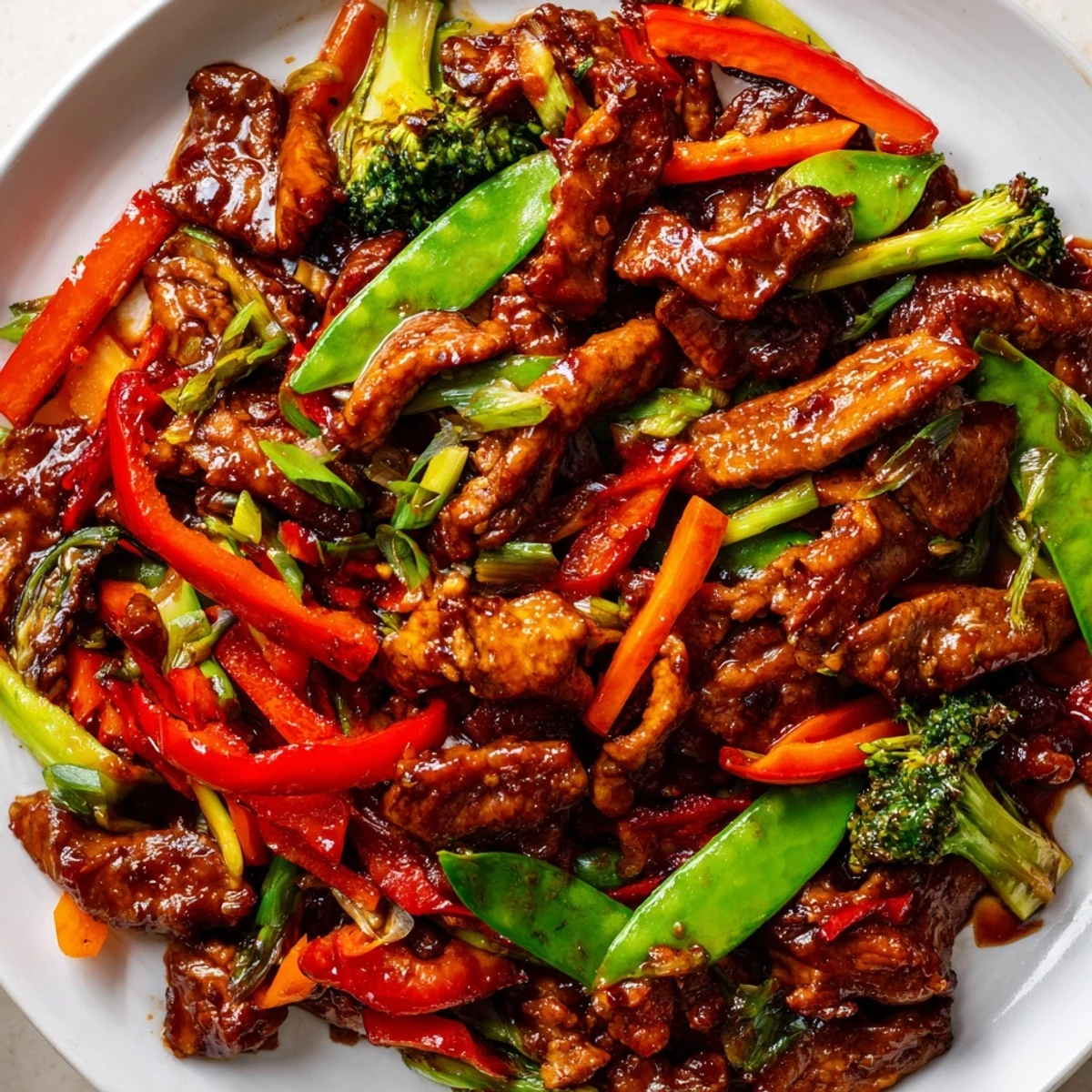
 There is something deeply satisfying about a home-cooked stir-fry that hits every note of spicy, savory, and sweet all at once.
Your Recipe Questions Answered
- → What makes Hunan chicken different from Szechuan chicken?
-
Hunan chicken originates from Hunan province and features a straightforward, fiery heat from chili paste and garlic. Szechuan chicken relies on Szechuan peppercorns that create a numbing, tingling sensation alongside the spice. Hunan style tends to be more savory and tangy, while Szechuan is known for its complex numbing-spicy flavor profile.
- → Can I use chicken thighs instead of chicken breast?
-
Yes, boneless skinless chicken thighs work beautifully in this dish. Thighs remain juicier and more forgiving during high-heat stir-frying. Slice them thinly just as you would breast meat, and follow the same marinating and cooking steps.
- → How do I adjust the spice level?
-
The heat comes primarily from the chili paste or chili garlic sauce. Start with 1 teaspoon for mild warmth, use 2 teaspoons for a moderate kick, or go up to 1 tablespoon if you love spicy food. You can also add dried red chilies or a drizzle of chili oil at the end for extra fire.
- → What vegetables work best as substitutions?
-
This dish is very adaptable. Snap peas, zucchini, mushrooms, baby corn, bok choy, or cabbage all work well. The key is to cut everything into similar-sized pieces so they cook evenly during the quick stir-fry. Avoid watery vegetables like tomatoes, which can dilute the sauce.
- → How should I store and reheat leftovers?
-
Store leftovers in an airtight container in the refrigerator for up to 3 days. Reheat in a wok or skillet over medium-high heat with a splash of water to loosen the sauce. Avoid microwaving too long, as the chicken can become rubbery and the vegetables may lose their texture.
- → What is Shaoxing wine and can I substitute it?
-
Shaoxing wine is a Chinese cooking rice wine that adds depth and a subtle sweetness to marinades and sauces. If you cannot find it, dry sherry is the closest substitute. In a pinch, you can use mirin or even a splash of chicken broth, though the flavor will be slightly different.