
 Save to Pinterest
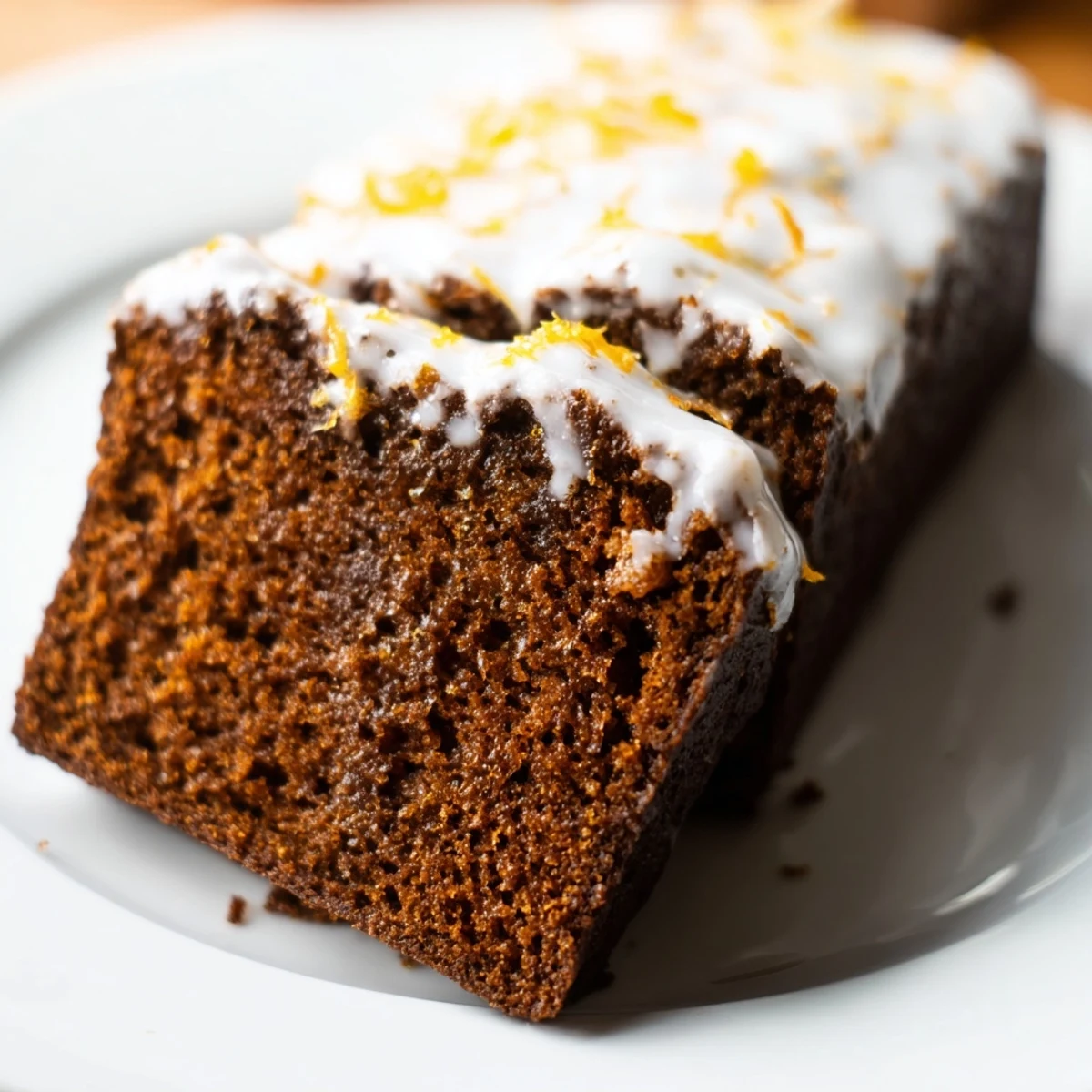
 This gingerbread loaf blends warm spices like ginger, cinnamon, and cloves with molasses for a moist, flavorful base. A vibrant orange icing made of fresh juice and zest adds a sweet, tangy finish. The loaf is easy to prepare and bake, ideal for sharing at winter gatherings. Variations include adding crystallized ginger or swapping flours for different textures. Pairs wonderfully with tea or mulled wine.
My kitchen smelled like a spice market the first time I tested this gingerbread loaf—a memory that stuck with me more than the recipe itself at first. I'd grabbed the molasses bottle a little too enthusiastically, splashing it across the counter, and somehow that small mess led to the best batch of baking I'd done in months. There's something about gingerbread that makes you slow down, measuring each spice like it matters (because it does), and this orange icing transformed what could have been ordinary into something I actually wanted to make again.
I made this for a small December gathering, and what surprised me wasn't the compliments—it was how the warmth of the spices seemed to settle people into the room, loosening shoulders that had been tense. Someone held a slice beside their tea and just smiled at it for a moment before eating, and I realized this loaf had become the kind of thing that matters more than its ingredients suggest.
Ingredients
- All-purpose flour (1½ cups): The foundation that keeps everything tender; don't sift unless your flour has been sitting in a compacted bag, and even then, whisk it gently a few times first.
- Baking soda (1 tsp): This works with the molasses's acidity to make the crumb rise without heaviness—it's the difference between moist and dense.
- Salt (¼ tsp): A small amount that somehow makes every spice taste more like itself.
- Ground ginger (1½ tsp): Use fresh ground if possible; the aroma alone tells you whether your container is worth keeping.
- Ground cinnamon (1 tsp): Don't reach for the big cannister if you're unsure how old it is—old spices fade into whispers.
- Ground cloves and nutmeg (¼ tsp each): These two whisper in the background, never announcing themselves, just deepening everything else.
- Unsalted butter (½ cup): Let it soften completely at room temperature so it creams into a pale cloud with the sugar—this is where the texture begins.
- Brown sugar (½ cup): The molasses content adds moisture and a subtle caramel note that plain sugar can't quite reach.
- Eggs (2 large): Add them one at a time so each one fully incorporates; rushing this step makes the batter break and never quite recover.
- Molasses (½ cup): This is the heart of the loaf—dark, thick, and worth measuring with a slightly oiled measuring cup so it slides out cleanly.
- Milk (½ cup): Brings the batter together into something smooth and just pourable; temperature doesn't matter here.
- Vanilla extract (1 tsp): A small amount that ties the spices together without announcing itself.
- Powdered sugar (1 cup): Sift it twice if you want absolutely silky icing, or press it through a fine strainer once if you're in a hurry.
- Fresh orange juice and zest (2–3 tbsp juice, 1 tsp zest): The zest matters more than you'd expect—don't skip it, and don't grate it too fine or it becomes bitter in the heat of mixing.
Instructions
- Set the stage:
- Preheat your oven to 350°F, and while it's heating, grease your loaf pan until it gleams, then line it with parchment paper that overhangs slightly on the long sides. This becomes your handle later, and it's the difference between a loaf that comes out whole and one that crumbles at the edge.
- Build your spice base:
- In a medium bowl, whisk together flour, baking soda, salt, and all your spices—ginger, cinnamon, cloves, and nutmeg. The whisking is doing real work here, breaking up any lumps and distributing the spices evenly.
- Cream until pale:
- In a large bowl, beat softened butter with brown sugar until the mixture looks lighter in color and fluffy enough to almost float—this takes about 3 minutes if you're using a mixer, longer by hand. You're incorporating air, and that air is part of what keeps the loaf tender.
- Add eggs with intention:
- Drop in one egg, mix it completely, then add the second. Rushing here means you risk breaking the emulsion, and the batter will look separated and grainy instead of smooth and thick.
- Introduce the molasses:
- Stir in the molasses first—it'll seem like it won't incorporate, then suddenly it does, and the batter becomes almost silky. Add the milk and vanilla, and keep stirring until it looks smooth and pourable.
- Fold in the dry ingredients:
- Add the spiced flour mixture in two additions, stirring just until you don't see streaks of flour anymore. This is the moment to stop—overmixing makes the loaf tough, and tough gingerbread is a disappointment.
- Fill the pan:
- Pour the batter into your prepared pan and smooth the top with a spatula, but don't press down—let gravity do the work. The smoother the surface, the more even the bake.
- Bake with patience:
- Slide the loaf into the oven for 45 to 55 minutes—start checking at 45, looking for a toothpick inserted into the center that comes out clean or with just a few moist crumbs. Every oven is different, and ovens at high altitude bake faster.
- Cool properly:
- Let the loaf sit in the pan for 10 minutes so the structure sets, then use your parchment paper handles to lift it onto a wire rack. Rushing this step can cause a collapse, especially if you live somewhere humid.
- Make the icing:
- Whisk together sifted powdered sugar, orange juice, and orange zest until the mixture is smooth and pourable—you want it thick enough to cling to the loaf but thin enough to drizzle. If it's too thick, add juice a tiny bit at a time.
- Finish with brightness:
- Once the loaf is completely cool, drizzle the icing over the top and let it set for 15 minutes or so, just long enough to cling without running off. The smell of orange and spice settling into one another is when you'll know this was worth the time.
 Save to Pinterest
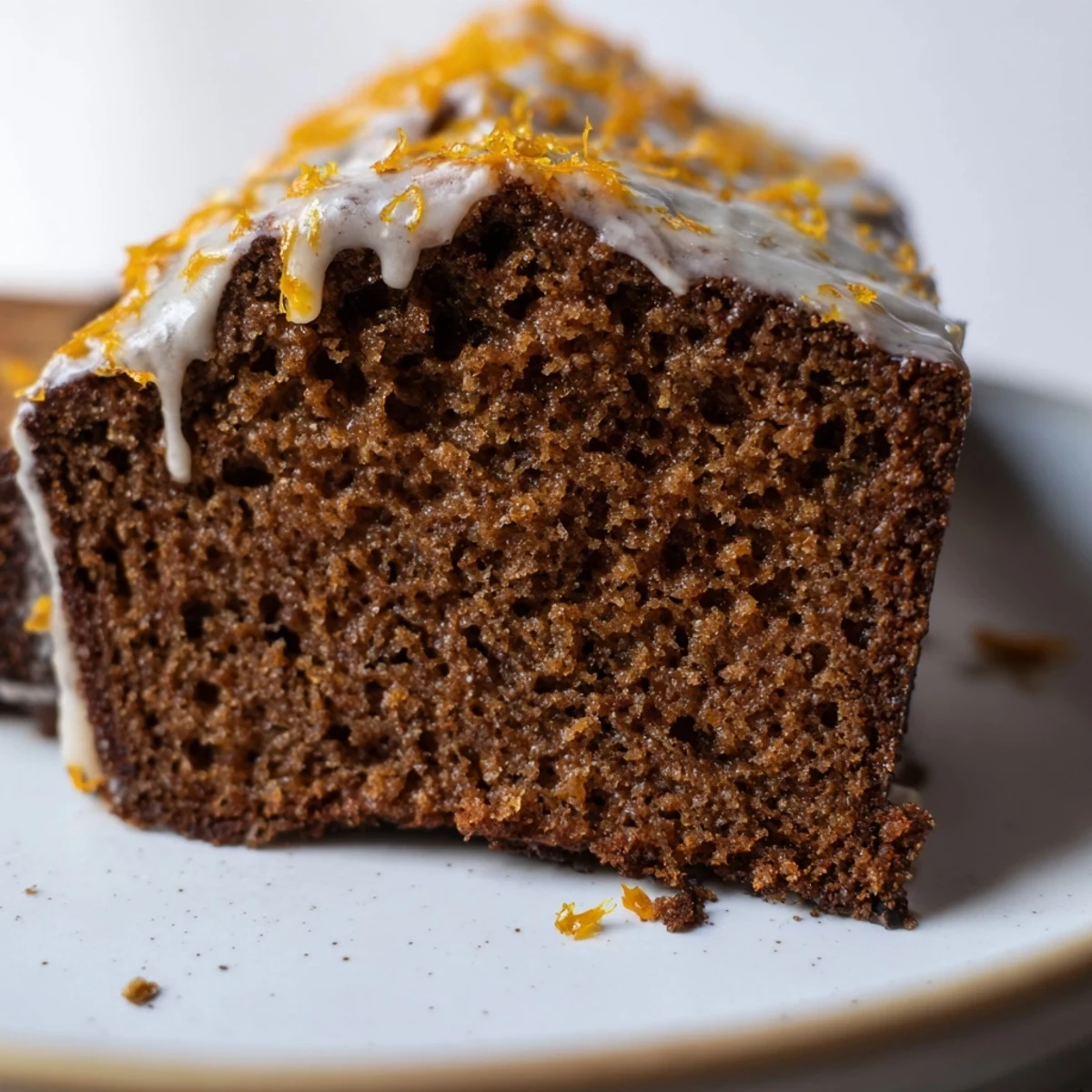
 There's a moment late in the afternoon when you slice into a completely cooled gingerbread loaf and the knife moves through it cleanly, cleanly, and you see the color hasn't dulled—that's when you know you've made something worth keeping. The orange icing against the dark cake, the aroma hitting you before the taste even does, reminds you why you baked it in the first place.
Why the Orange Matters
The orange isn't just a citrus flavor layered on top—it's actually the missing piece that prevents gingerbread from feeling heavy or one-dimensional. When you taste it, the brightness cuts through the dark molasses and the warming spices, and suddenly the whole loaf feels lighter and more alive. That zest in the icing does the real work; the juice is just there to bring it to the right consistency, but the zest is where the magic lives.
Storing and Enjoying
This loaf actually improves on day two as the flavors settle and deepen—wrap it well in plastic wrap and it'll stay moist and tender for nearly a week. It freezes beautifully too, either iced or plain, which means you can make it on a weekend and have it ready for unexpected moments when you need something warm and spiced and comforting.
Small Variations That Work
If you want to make this your own without starting from scratch, there are small shifts that feel significant—a tablespoon of finely chopped crystallized ginger in the batter adds bright bursts of flavor, or swapping half the all-purpose flour for whole wheat gives the whole thing a nuttier depth. Even changing the citrus in the icing to lemon or lime transforms the entire mood without touching the batter at all.
- Crystallized ginger pieces scattered through the batter add pockets of intense, sweet spice that keep the taste from becoming routine.
- A splash of dark rum or molasses brandy in the icing (replace a tablespoon of juice) becomes something you'd serve to grown-ups on a winter evening.
- Make it once as written, then trust yourself to adjust—your kitchen will tell you what it needs.
 Save to Pinterest
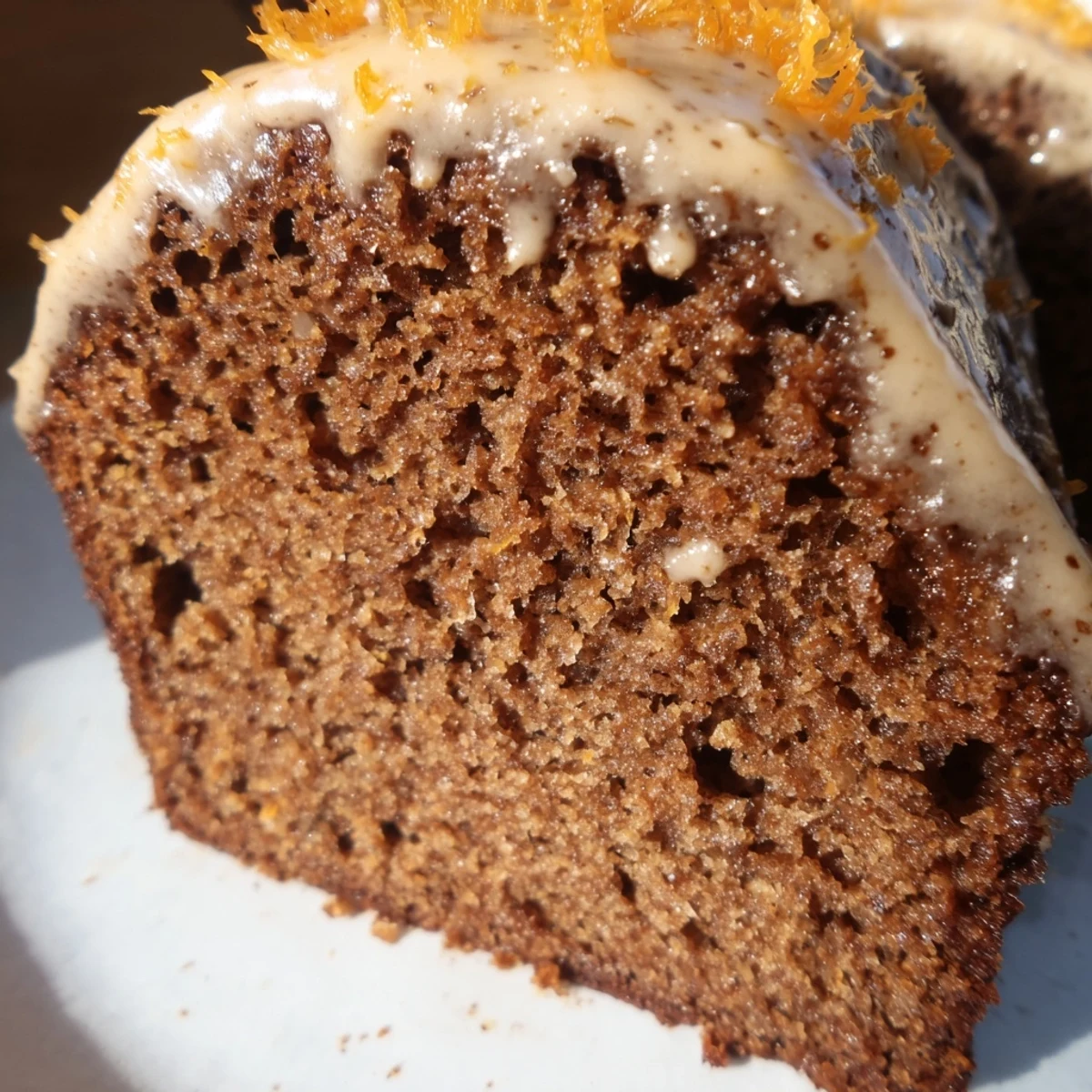
 This gingerbread loaf is one of those recipes that tastes like you spent hours in the kitchen when really you were done before dinner. It's the kind of thing you make when you want to turn an ordinary day into something that smells and tastes like it matters.
Your Recipe Questions Answered
- → What spices are used in the loaf?
-
The loaf features ground ginger, cinnamon, cloves, and nutmeg, creating a warm and aromatic spice blend.
- → How is the orange icing made?
-
The icing combines powdered sugar with fresh orange juice and finely grated orange zest for a sweet and tangy glaze.
- → Can this loaf be made vegetarian?
-
Yes, the loaf is suitable for vegetarians, containing no meat or animal-derived gelatin.
- → How long should the loaf cool before icing?
-
Allow the loaf to cool completely on a wire rack before drizzling the orange icing to ensure it sets properly.
- → What tools are needed for preparation?
-
A 9x5 inch loaf pan, mixing bowls, an electric mixer or whisk, measuring cups and spoons, a wire rack, sifter, and grater or zester are required.
- → Are there variations to enhance the flavor?
-
Adding finely chopped crystallized ginger to the batter adds extra zing; substituting whole wheat flour for half the flour offers nuttier notes.