
 Save to Pinterest
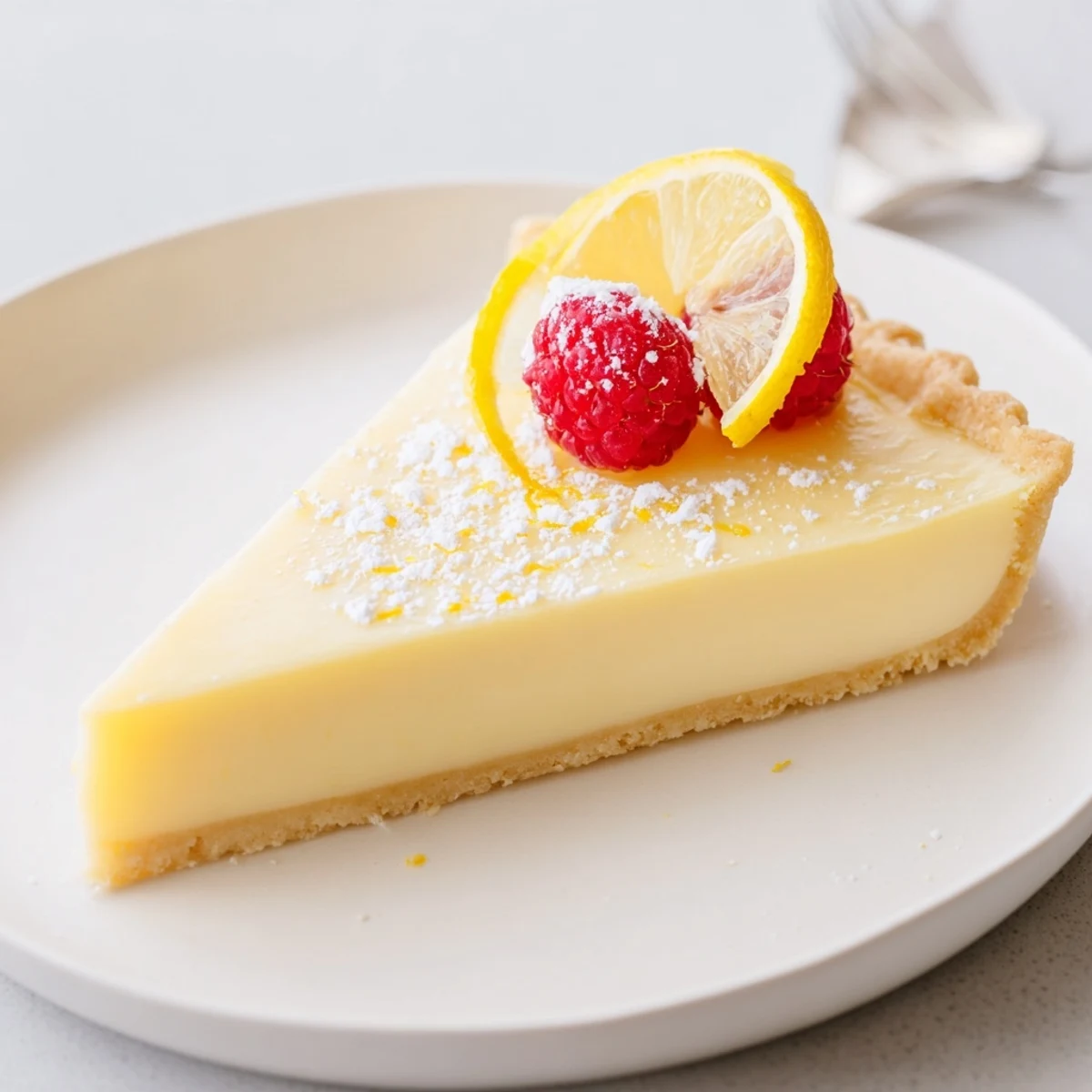
 Start by pulsing flour, powdered sugar and cold butter until sandy, then bind with yolk and a little ice water. Chill, roll thin and blind-bake at 350°F until golden. Whisk heavy cream, sugar, eggs, yolks, lemon zest and juice until smooth, pour into warm crust and bake at 300°F until edges set but center jiggles. Cool fully and refrigerate at least an hour to firm. Serve dusted with powdered sugar, garnished with berries or candied lemon. For a gluten-free base use a blend; add vanilla for extra aroma.
Some desserts practically invite you to linger in the kitchen, just for the aroma alone—and this creamy lemon tart is one of them. I first tried making it after being lured in by the heady scent of zested lemons on a bright Saturday morning. There's something rewarding about pressing your own tart dough and seeing it transform into a golden, buttery shell. Every time I make it, the kitchen feels lighter, as if the air itself was sparkling with a bit of citrus.
One afternoon, I decided to bake this for a friend's low-key birthday picnic in the park—the wind tried to scatter my parchment paper, and I got a laugh out of my powdered sugar dusting landing on my jeans instead of the tart. Somehow, the mess made the experience even sweeter, and that tart disappeared before the last cup of coffee was poured.
Ingredients
- All-purpose flour: Sift your flour to keep the crust light—I've learned that even a little clump can make a tough spot.
- Powdered sugar: This brings that melt-in-your-mouth texture to the crust; it's worth the switch from regular sugar.
- Salt: Just a pinch makes the sweet and tart flavors shine brighter.
- Unsalted butter: Start with cold, cubed butter; I've tried room temperature once, but you really need that chill for the flakiest bite.
- Egg yolk: Adds richness and warmth; whenever I forget it, the crust simply isn’t as flavorful.
- Cold water: Add a spoonful at a time so the dough stays tender—too much, and it gets sticky fast.
- Heavy cream: This makes the filling velvety, not dense—don't swap for milk, it just isn’t the same.
- Granulated sugar: Balances the tartness; I like to rub it with the zest for a little fragrance boost.
- Eggs: Whole eggs give body, so use fresh ones if you can.
- Egg yolks: These deepen the color and make every slice look sunlit.
- Lemon zest: Grate only the bright yellow part; I once got carried away and added the bitter white pith, regretted it instantly.
- Fresh lemon juice: There’s simply no substitute for freshly squeezed—bottled loses all the spark.
- Salt (for filling): Just the tiniest pinch brings out each note in the filling.
- Powdered sugar (for dusting): A gentle snowfall that makes each slice look irresistible.
- Fresh berries or candied lemon slices: Optional, but always admired when you want to add flair.
Instructions
- Get Your Oven Ready:
- Let’s preheat the oven to 350°F; you’ll notice how the chill of the kitchen disappears as the oven comes alive.
- Start the Crust:
- Toss the flour, powdered sugar, and salt into your food processor, then add the cold butter—I love the quiet thrum as it blends into pebbly crumbs.
- Bring the Dough Together:
- Pulse in the egg yolk and water a spoon at a time until the dough almost comes together—it’s like magic watching dry bits suddenly cling to each other.
- Chill the Dough:
- Pat the dough into a disk, wrap, and chill; don’t skip this step, or you’ll battle shrinkage later.
- Shape the Crust:
- Roll it thin, gently fit it into your tart pan, trim, prick, and give it a quick freeze—the fork pricks keep the bubbles away.
- Blind Bake:
- Lay on some parchment, fill with pie weights or beans, and bake; your kitchen will start to smell like a French bakery.
- Finish the Crust:
- Remove the weights and let it bake till golden; cool a bit so it’s ready to meet the filling.
- Drop the Heat:
- Lower the oven to 300°F to get that silky filling just right.
- Mix the Lemon Cream:
- Whisk the cream, sugar, eggs, yolks, zest, juice, and salt together—watch the pale yellow turn to sunshine before your eyes.
- Bake the Filling:
- Pour into the crust and bake till it’s barely wobbly in the middle—it finishes setting as it cools.
- Chill and Garnish:
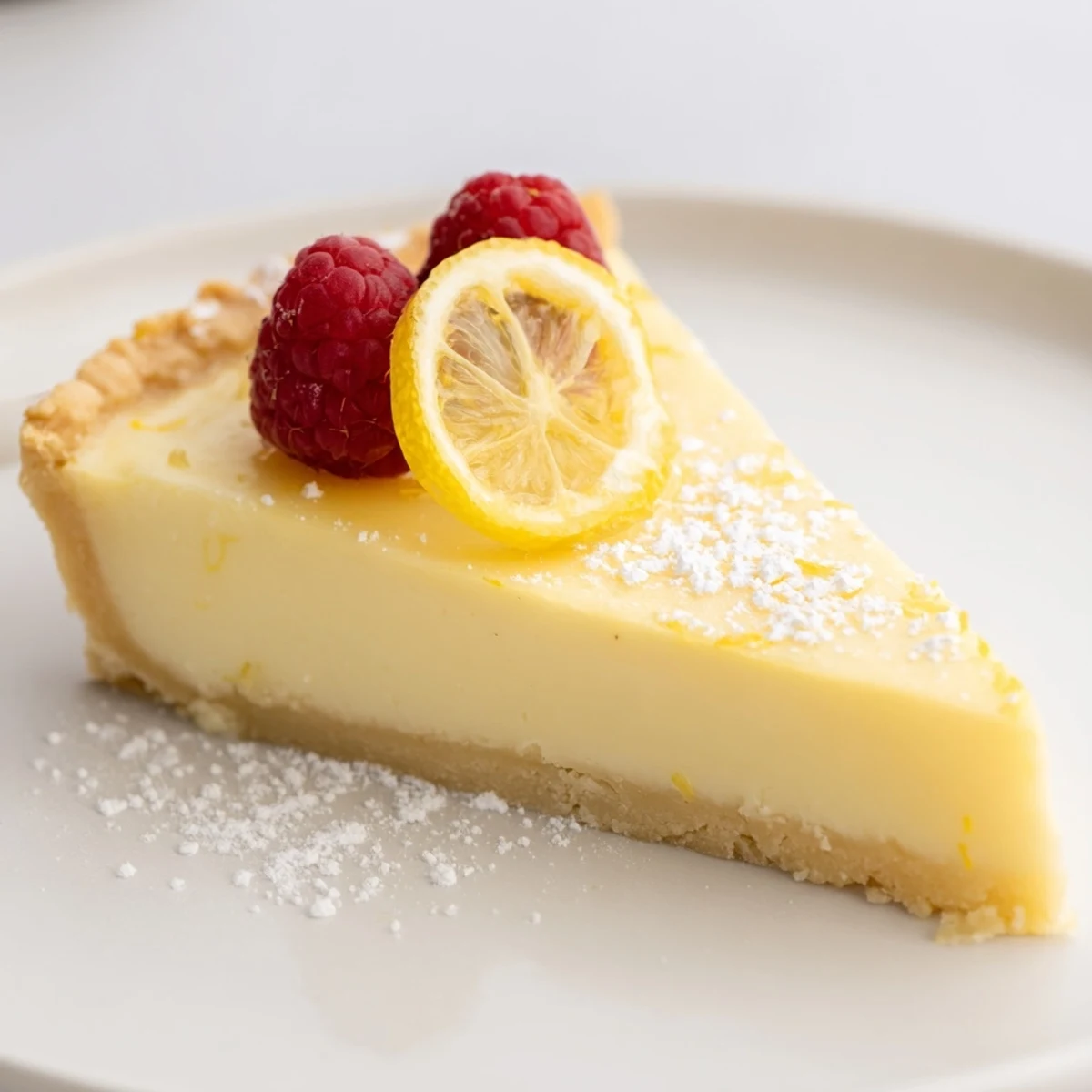
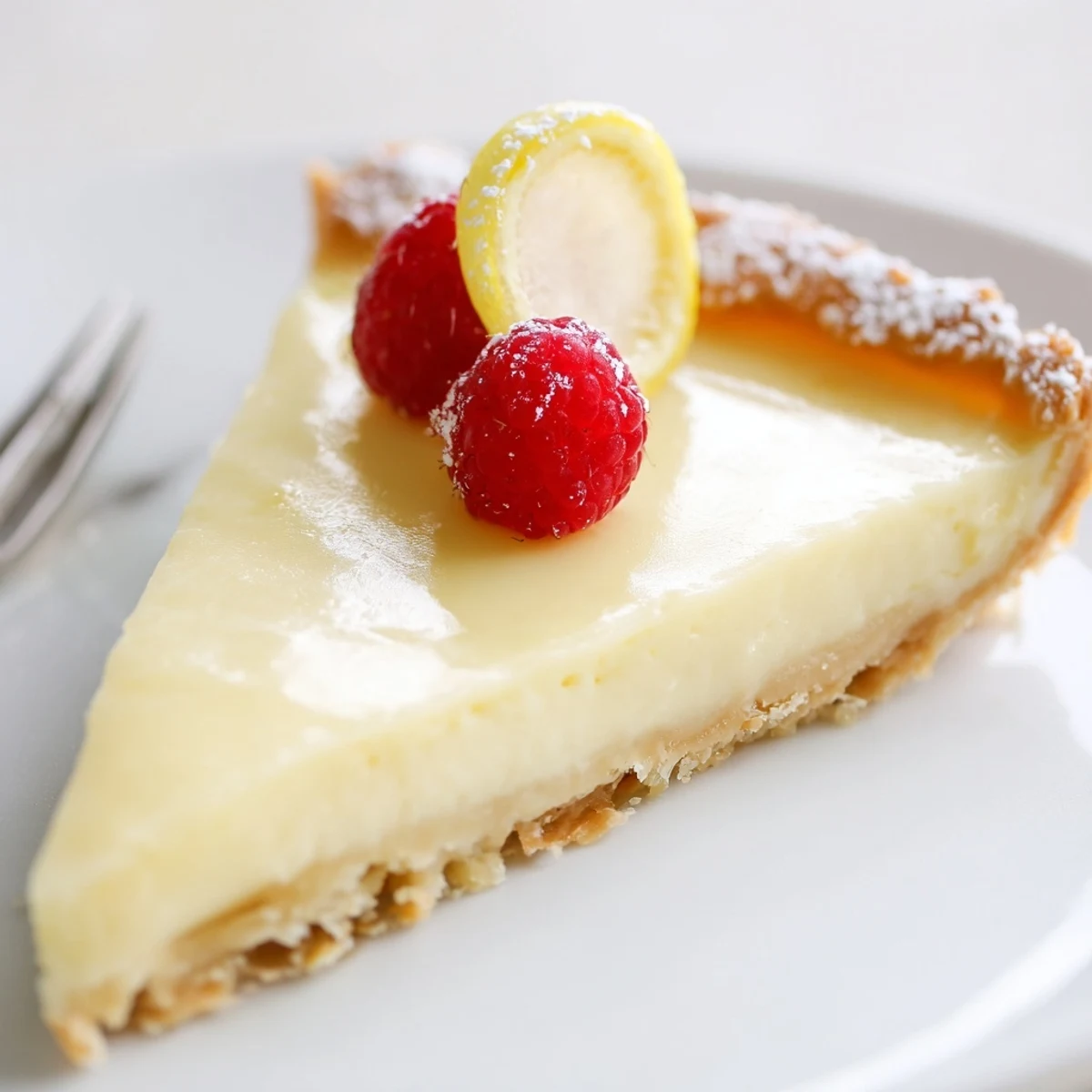
- Cool completely, chill at least an hour, then dust with powdered sugar and add your prettiest berries or some candied citrus.
 Save to Pinterest
 The first time my younger cousin called to ask for this recipe, I realized it wasn’t just a dessert anymore—it was a signature I’d unintentionally created. That moment when someone else wants to carry your dish into their own memories makes all the difference.
Why the Crust Matters
I’ve tried a shortcut with store-bought dough before—but nothing competes with the snap of a homemade crust that’s cold-mixed and carefully pressed. The process is just as satisfying as the crunch at the edge of each slice.
Getting the Perfect Lemon Balance
Taste your lemon juice before adding—lemons swing wildly between tart and sweet. I’ve found that using just-picked or ripe lemons gives a noticeably brighter flavor, while older fruit can taste dull.
Serving and Storing
This tart is always best the day it’s made, but it slices even cleaner after a longer chill and won’t sog overnight. Keep it covered in the fridge, and be ready for each bite to taste just as dazzling as the first.
- Let the tart warm slightly out of the fridge to take the chill off before serving.
- Use a hot, dry knife for picture-perfect slices.
- Don’t skip the garnish—a little visual flair goes a long way.
 Save to Pinterest
 If you try this tart, I hope the process feels as joyful for you as it has for me. Save yourself a slice—and a story to share later.
Your Recipe Questions Answered
- → How do I prevent a soggy crust?
-
Blind-bake the crust with parchment and weights, prick the base before freezing briefly, and bake until golden. Chilling the dough before rolling and using cold butter helps create a flaky, crisp base.
- → How can I tell when the filling is done?
-
Look for set edges with a slightly jiggly center; carryover heat will finish cooking. The center should not be liquid but will wobble gently when you tap the pan.
- → Can the tart be made ahead?
-
Yes. Cool completely, then chill at least an hour before serving. Stored covered in the refrigerator, it keeps well for 2–3 days and holds its texture when chilled.
- → Is there a good dairy-free substitute for heavy cream?
-
Full-fat canned coconut cream can work for a dairy-free filling, though the flavor and texture will shift. Blend well and reduce sugar slightly; a touch of cornstarch can help stabilize the set.
- → How can I boost the lemon flavor without making it too tart?
-
Add extra finely grated lemon zest (not just juice) for aroma, use ripe lemons or Meyer lemons for sweetness, and balance with just enough sugar. A teaspoon of vanilla softens sharp acidity.
- → Can I freeze the tart?
-
Freeze uncut and well wrapped for up to a month. Thaw overnight in the refrigerator. For best texture, avoid freezing if you plan to garnish with fresh berries—add those after thawing.