
 Save to Pinterest
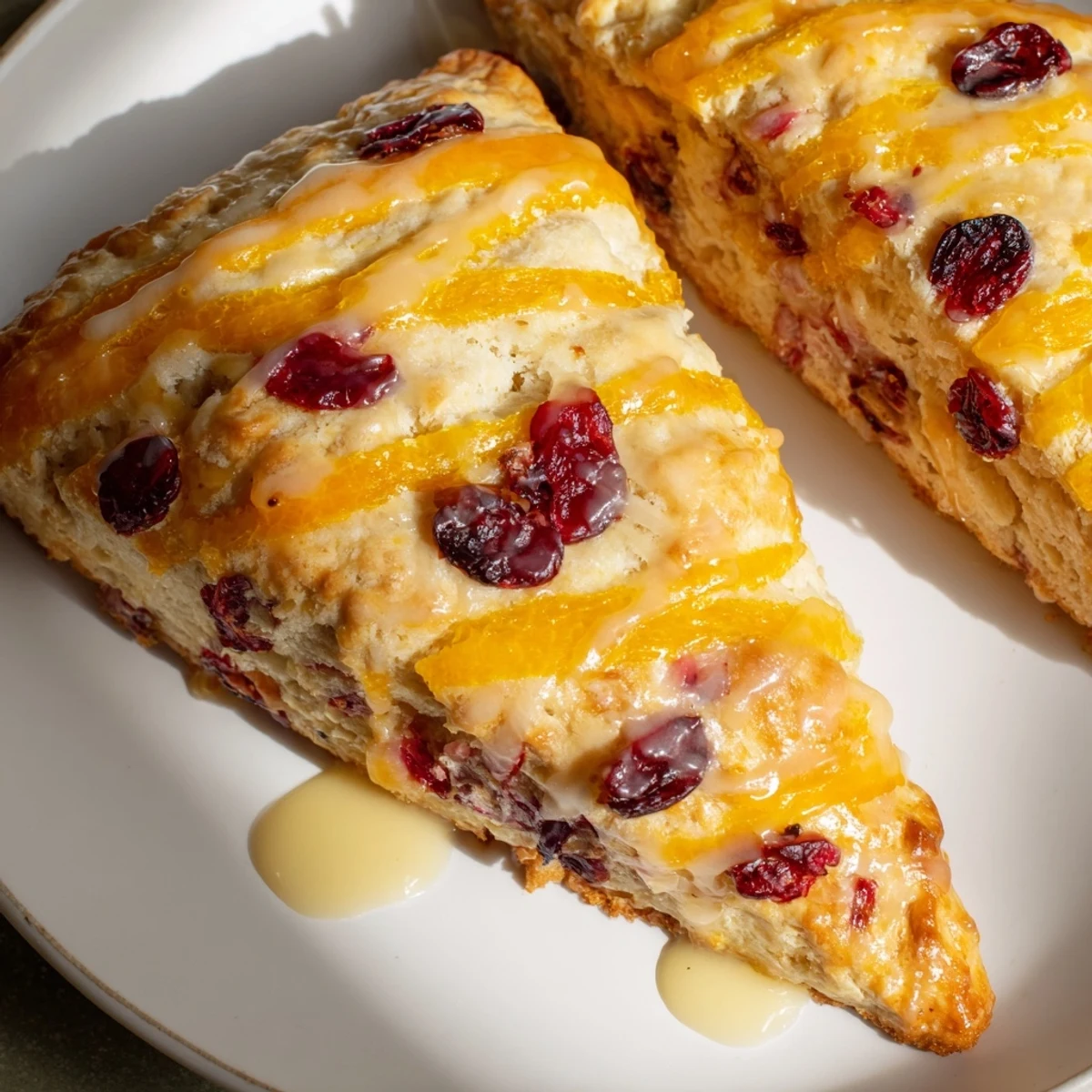
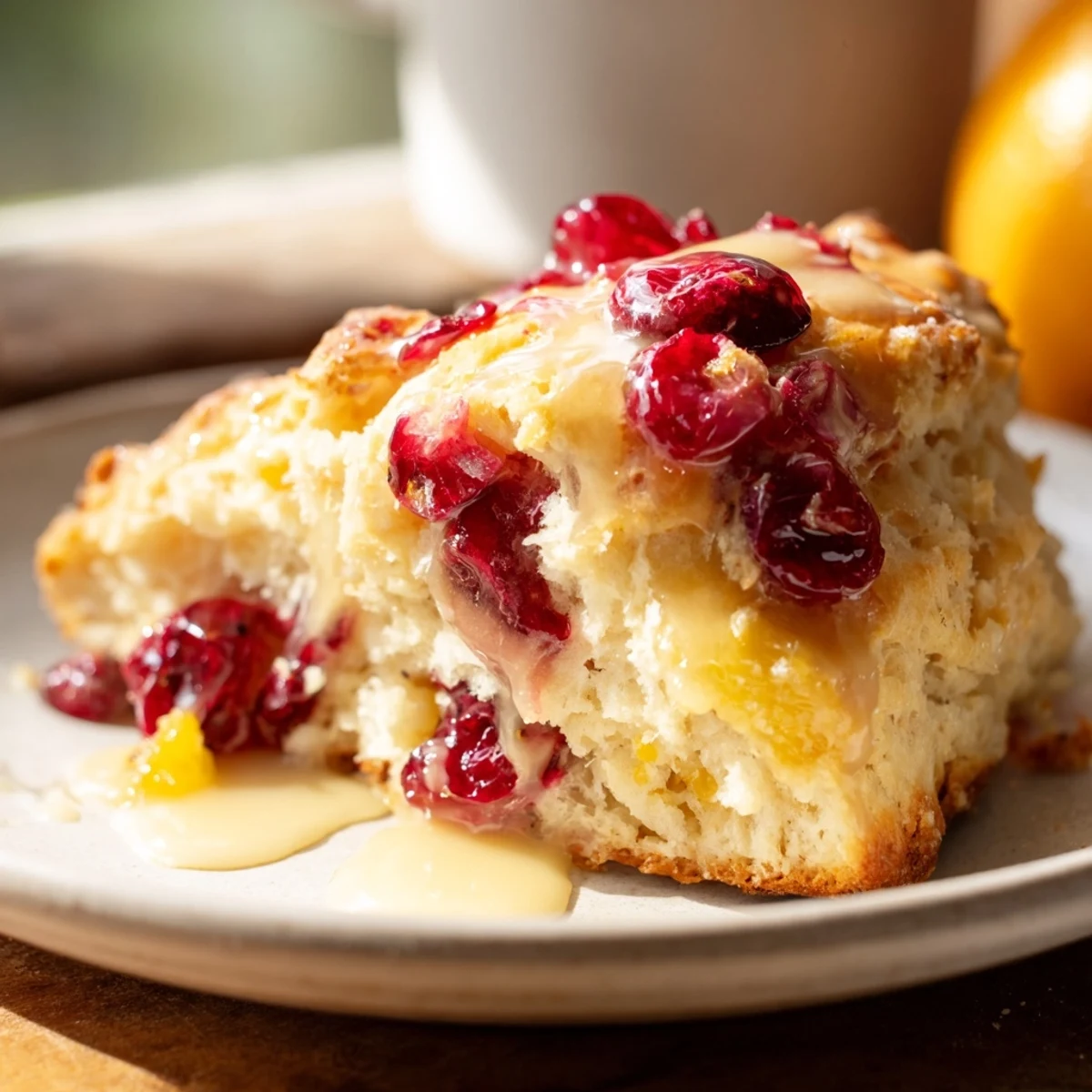
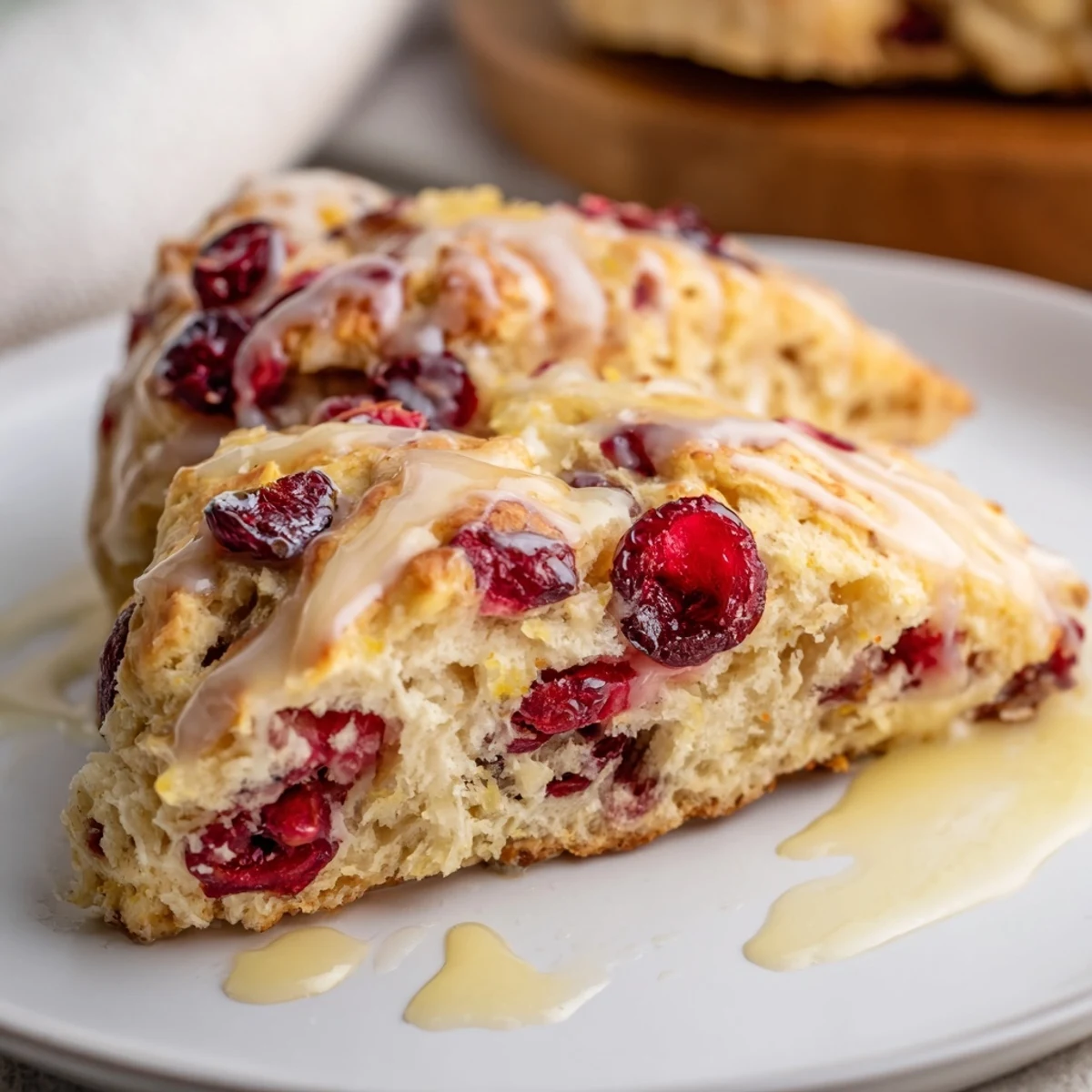
 These scones blend tender, buttery dough with vibrant cranberries and fresh orange zest, creating a perfect balance of tart and sweet. The dough is gently folded to retain juicy berry bursts, then shaped and baked until golden. A simple glaze made from powdered sugar and fresh orange juice adds a glossy, citrus finish that complements the flavor beautifully. Ideal for a cozy breakfast or afternoon tea, they offer a light, flavorful treat that’s easy to prepare and satisfying to enjoy.
There's something about the ritual of making scones that takes me back to lazy Sunday mornings when I'd wake up early just to get them in the oven before anyone else stirred. My grandmother always said scones were the key to a proper breakfast, and after years of baking, I finally understand why. These cranberry orange scones became my secret weapon for impressing guests without the stress, and now they're the first thing people ask me to bring to gatherings.
I remember the first time I nailed this recipe was on a gray November morning when unexpected guests called and said they'd be by in an hour. Instead of panicking, I threw these scones together, and when they walked in, the smell of fresh citrus and butter filled the whole house. They've never let me forget that morning, and honestly, neither have I.
Ingredients
- All-purpose flour (2 cups or 250 g): This is the foundation that gives scones their structure. I always spoon and level instead of scooping directly from the bag because it makes a difference in how tender they turn out.
- Granulated sugar (1/3 cup or 65 g): Just enough sweetness to complement the tart cranberries without making them feel like a dessert masquerading as breakfast.
- Baking powder (1 tablespoon): The ingredient that lifts these into their signature fluffy texture. Make sure yours is fresh because old baking powder won't give you the rise you're after.
- Salt (1/2 teaspoon): This tiny amount awakens all the flavors and balances the sweetness beautifully.
- Cold unsalted butter, cubed (1/2 cup or 115 g): Cold butter is non-negotiable here. It creates those little pockets of steam that make scones tender. Some bakers even chill their butter in the freezer for the last ten minutes before using it.
- Heavy cream (1/2 cup or 120 ml, plus more for brushing): This replaces traditional buttermilk in my version and creates incredible richness without heaviness. Keep it cold until the moment you use it.
- Large egg (1): Helps bind everything together and brushes on top for that gorgeous golden finish.
- Orange zest (1 tablespoon, about 1 large orange): This is where the magic happens. Don't skip it or use bottled zest. Fresh zest makes all the difference in that bright, awakening flavor.
- Pure vanilla extract (1 teaspoon): A subtle background note that deepens all the other flavors.
- Fresh or frozen cranberries, halved (1 cup or 100 g): If you can find fresh, grab them. If it's off-season, frozen works beautifully. Halving them prevents them from sinking to the bottom and ensures flavor in every bite.
- Coarse sugar (2 tablespoons, optional): This sparkles on top and adds a textural contrast that makes people take notice before they even taste them.
- Powdered sugar (1 cup or 120 g): For the glaze that finishes everything off with a sweet citrus note.
- Fresh orange juice (2-3 tablespoons): Just-squeezed is worth the effort here. It brings brightness to the glaze that completes the whole experience.
Instructions
- Get Everything Ready:
- Start by preheating your oven to 400°F (200°C) and lining your baking sheet with parchment paper. This is the moment where setting yourself up for success makes everything smoother. All your ingredients should be at room temperature except the butter and cream, which need to stay cold. Have your measuring cups and spoons ready and your workspace clear.
- Build Your Dry Foundation:
- In a large bowl, whisk together the flour, sugar, baking powder, and salt. Really whisk it, not just a gentle stir. You're incorporating air and distributing the leavening agents evenly. This step is quieter magic, but it matters.
- Cut in the Cold Butter:
- Add your cold butter cubes to the dry mixture and begin cutting them in using a pastry blender, or if you don't have one, your fingertips work beautifully. You're looking for a texture like coarse crumbs with some pea-sized pieces remaining. This takes about 3 to 5 minutes of gentle, consistent work. You'll know it's right when it looks sandy but still has tiny butter chunks visible. Those chunks are what create tender scones.
- Combine Your Wet Ingredients:
- In a separate bowl, whisk together the cold heavy cream, egg, orange zest, and vanilla. Taste the zest on your finger to make sure it's bright and fragrant. If it's not, your scones will miss that awakening citrus note that makes them special.
- Bring It All Together:
- Pour the wet mixture over the dry ingredients. Here's where patience matters. Use a spatula and stir gently, folding more than stirring, just until everything is barely combined. You're looking for a slightly shaggy dough. Overworking at this stage creates tough, dense scones, which is the opposite of what we want. Stop while it still looks a tiny bit underdone.
- Fold in the Cranberries:
- Gently fold in the halved cranberries with just a few more turns of the spatula. You want them distributed throughout but the dough should still stay relatively intact, not mixed to death.
- Shape and Cut:
- Turn the dough onto a lightly floured surface. Pat it gently into an 8-inch (20 cm) circle about 1 inch (2.5 cm) thick. Don't overhandle it. Using a sharp knife, cut the circle into 8 wedges, like you're slicing a pie. Transfer each wedge to your prepared baking sheet, spacing them about 2 inches apart so they have room to rise and expand without touching.
- The Golden Finish:
- Brush the tops of each scone with a little heavy cream and sprinkle with coarse sugar if you're using it. This step creates that beautiful, sparkling top that catches light and makes people reach for a scone before you've even finished telling them what it is.
- The Bake:
- Bake for 18 to 22 minutes until the tops are golden brown and a toothpick inserted into the center comes out clean. Your kitchen will smell like an English tea shop mixed with a citrus grove. When they come out, the edges should feel set but the interior should still feel slightly yielding. Move them to a wire rack to cool completely, though they're honestly just fine warm.
- Make the Glaze:
- While your scones cool, whisk together the powdered sugar with 2 tablespoons of fresh orange juice. If it's too thick, add more juice a little at a time. You want it to be drizzleable but not quite as thin as water. Drizzle it over the cooled scones in whatever pattern feels right to you. Straight lines, swirls, or haphazard drizzles all work.
 Save to Pinterest
 These scones stopped being just a recipe for me the day my sister brought them to her book club and they were gone before the meeting officially started. She called me afterward and said, "People were fighting over the last one," and I knew I'd created something that brought more than just flavor to a table. That's when a recipe becomes a memory.
Keeping It Fresh
These scones are best eaten the day you make them while they still have that tender crumb and the glaze is setting perfectly. But here's what I've learned about keeping them around. Store cooled scones in an airtight container at room temperature for up to 2 days. They'll stay soft inside though they might lose a bit of the glaze's shine. If you want to freeze them, do it before glazing. Wrap each scone individually in plastic wrap, then place them in a freezer bag, and they'll keep for up to 3 months. When you're ready to enjoy them, thaw at room temperature for about an hour, then glaze fresh if you'd like.
When You're Missing Something
Sometimes you look at this recipe and realize you don't have exactly what it calls for, and that's okay. Baking is more flexible than people think if you know the right substitutions. Don't have fresh orange zest? Use lemon zest instead and reduce the amount to 2 teaspoons since lemon is more assertive than orange. Can't find fresh cranberries? Dried cranberries work if you chop them smaller, though you might use only 2/3 cup since they're more concentrated. No coarse sugar? Turbinado sugar works, or honestly, just skip it and the scones are still delicious. For the cream in the dough, you could substitute with milk in a pinch, though the scones won't be quite as rich. Fresh orange juice for the glaze can be replaced with lemon juice, water, or even milk thinned with a touch of vanilla. The spirit of the recipe stays the same even when ingredients shift.
Serving Ideas That Clicked
The beauty of these scones is that they work across the whole day depending on how you serve them. For breakfast, they're perfect with a smear of butter and maybe a spoonful of jam. At tea time, they shine with clotted cream and lemon curd, which creates this lovely contrast with the cranberry tartness. I've even served them at brunch alongside smoked salmon and cream cheese, and somehow the orange and cranberry play beautifully with those savory flavors. Earl Grey tea is the obvious pairing, but they're equally good with a smooth pour-over coffee or even a hot chocolate on a cold morning. The glazed sweetness means you don't really need jam or extra embellishments, but if you're the type who loves a little more sweetness, a light spread of honey butter takes them over the top.
- Serve them warm with butter and your favorite jam for a simple breakfast that feels special
- Pair with Earl Grey or English Breakfast tea and pretend you're in a cozy London café
- Make a scone sandwich with clotted cream and lemon curd for an unexpected afternoon treat
Where This Dish Comes From
Scones are quintessentially British, with origins tracing back centuries to the British Isles. The name itself possibly comes from the Stone of Destiny at Scone Palace in Scotland, though food historians still debate the true etymology. What's certain is that scones became the heart of afternoon tea tradition, a practice that gained popularity in the 19th century. This particular version with cranberries and orange is a more modern American take on the classic, bringing bright, tart flavors to the buttery tradition. The combination feels especially right during fall and winter when citrus is at its best and fresh cranberries fill farmers' markets. It's a recipe that honors the old tradition while celebrating what's fresh and available in your own kitchen right now.
 Save to Pinterest
 Making these scones is about creating a moment of care for yourself or someone you love. The next time you bake them, pay attention to how the kitchen transforms with those aromas and how the simplest things on a plate can bring real joy to someone's day.
Your Recipe Questions Answered
- → What makes these scones tender?
-
Cold butter is cut into the dry ingredients until coarse crumbs form, which creates a flaky, tender texture in the scones.
- → Can I use frozen cranberries instead of fresh?
-
Yes, frozen cranberries can be used directly. Halve them to avoid large chunks and gently fold into the dough to prevent color bleed.
- → How should I store the scones after baking?
-
Store cooled scones in an airtight container at room temperature for up to two days or freeze for longer storage.
- → What is the purpose of the orange glaze?
-
The glaze adds a sweet, citrusy finish that brightens the scones and enhances the orange zest flavor in the dough.
- → Can I add nuts for extra texture?
-
Yes, chopped pecans or walnuts can be folded into the dough before baking to add a crunchy contrast.