
 Save to Pinterest
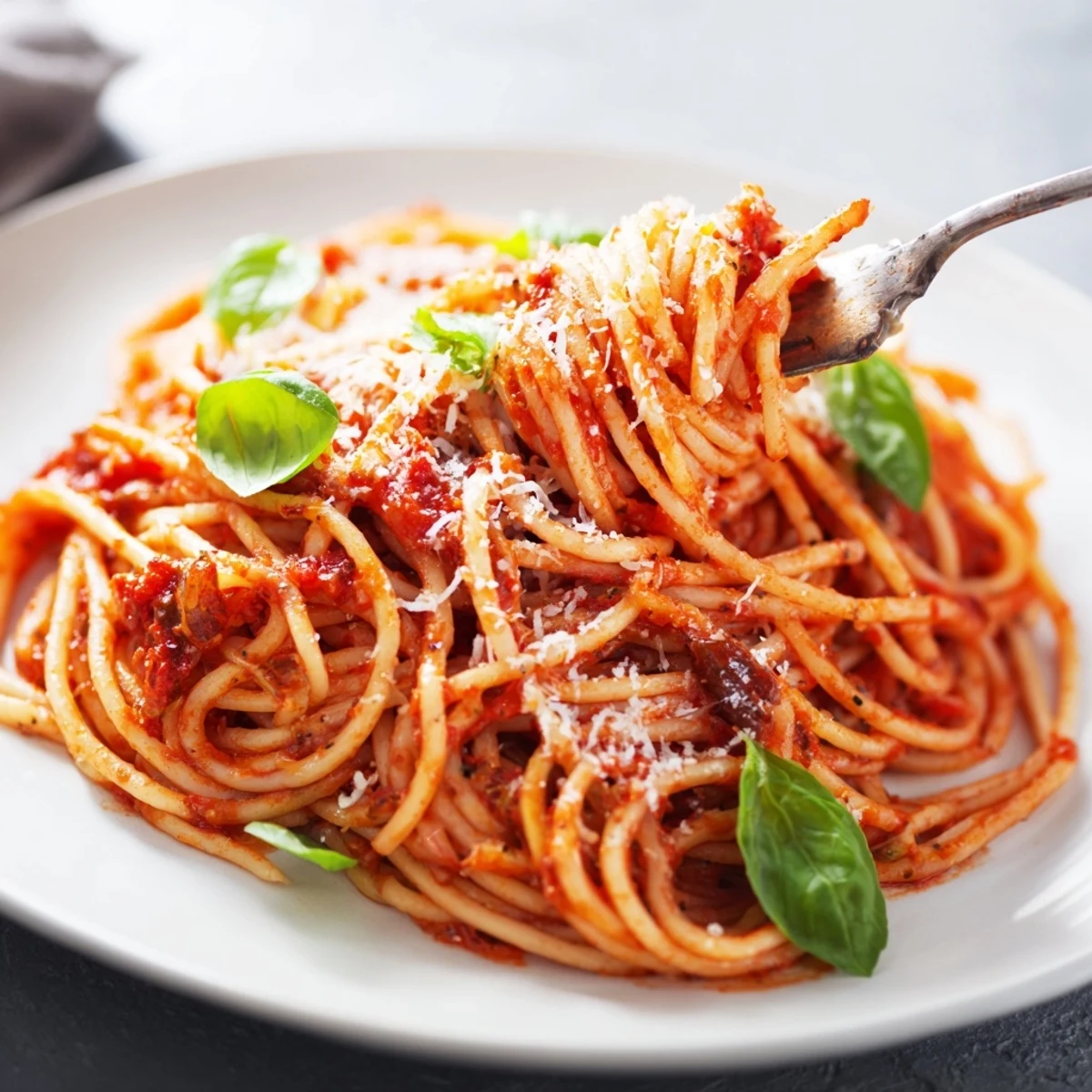
 This classic Italian pasta features tender noodles coated in a vibrant tomato sauce made with olive oil, garlic, onion, and aromatic herbs like oregano and basil. The entire dish comes together in just 30 minutes, making it perfect for busy weeknights when you want something hearty and satisfying.
The sauce simmers to develop deep flavors while the pasta cooks to al dente perfection. Finish with grated Parmesan and fresh basil for an authentic touch. This vegetarian main serves four and pairs beautifully with a crisp green salad and your favorite Italian wine.
The smell of garlic hitting olive oil on a Tuesday evening is enough to make anyone forget the chaos of the day. I threw this together once when the pantry was nearly bare and a friend stopped by unannounced, and we ended up standing in the kitchen eating straight from the pan. It reminded me why simple food, done right, beats anything complicated. This is the kind of meal that turns nothing into something special.
One rainy autumn evening my neighbor knocked on my door holding a bottle of Chianti and nothing else, so I made this pasta on the spot and we sat on the floor of my tiny kitchen because the table was covered in mail. We laughed about how the best meals are never planned. That night the sauce simmered while the rain hit the window and everything felt exactly right.
Ingredients
- Dried pasta (400 g, spaghetti or penne): Use whatever shape you love but ridged pasta holds sauce beautifully.
- Olive oil (2 tbsp): A good quality oil makes a real difference here since it is a foundational flavor.
- Garlic (2 cloves, minced): Fresh is nonnegotiable, the jarred stuff cannot compare.
- Onion (1 medium, finely chopped): Yellow onion gives the sweetest base for the sauce.
- Canned crushed tomatoes (800 g): San Marzano tomatoes are worth the extra dollar for their natural sweetness.
- Sugar (1 tsp): This tiny amount rounds out the acidity of canned tomatoes perfectly.
- Dried oregano (1 tsp): Rub it between your palms before adding to wake up the oils.
- Dried basil (1 tsp): Adds an earthy herbal note that deepens as the sauce simmers.
- Salt and black pepper: Season gradually and taste as you go.
- Freshly grated Parmesan (30 g, optional): Grate it yourself for the best melt and texture.
- Fresh basil leaves: Torn at the last second for a bright fragrant finish.
Instructions
- Boil the pasta:
- Bring a large pot of generously salted water to a rolling boil and cook the pasta according to package directions until just tender with a slight bite. Scoop out half a cup of the starchy pasta water before draining because it is liquid gold for loosening the sauce later.
- Build the sauce base:
- While the pasta works, warm the olive oil in a large skillet over medium heat and let the onion soften until it turns translucent and sweet smelling. Slide in the garlic and stir for about a minute until everything smells incredible but nothing has browned.
- Simmer the tomatoes:
- Pour in the crushed tomatoes along with the sugar, oregano, and basil, then season with salt and pepper. Let it bubble uncovered for ten to twelve minutes, stirring now and then, until the sauce thickens and coats the back of a spoon.
- Marry the pasta and sauce:
- Toss the drained pasta directly into the skillet with the sauce and stir gently so every strand or tube gets coated. Splash in a little of that reserved pasta water if the sauce feels too thick, it should be silky not sticky.
- Finish and serve:
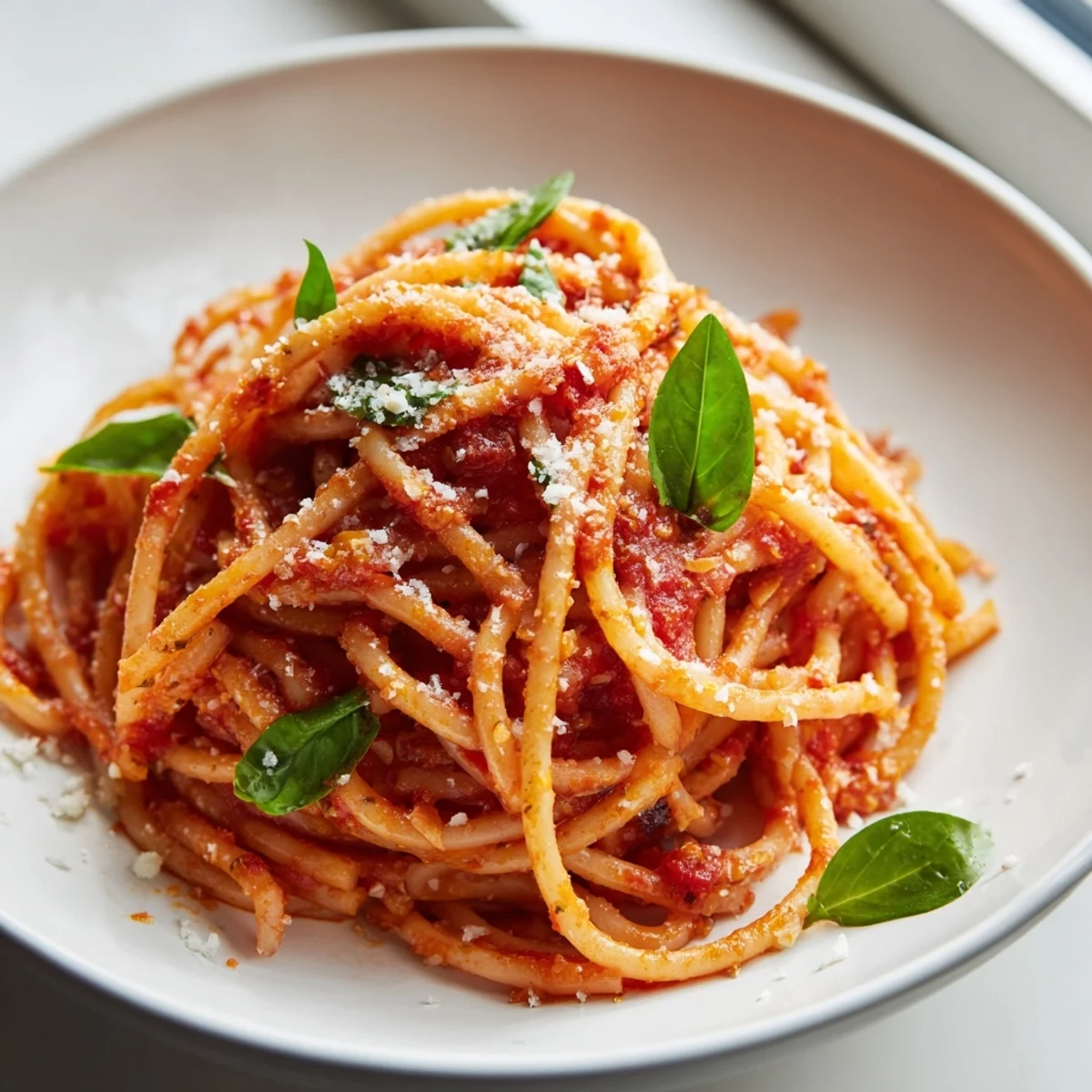
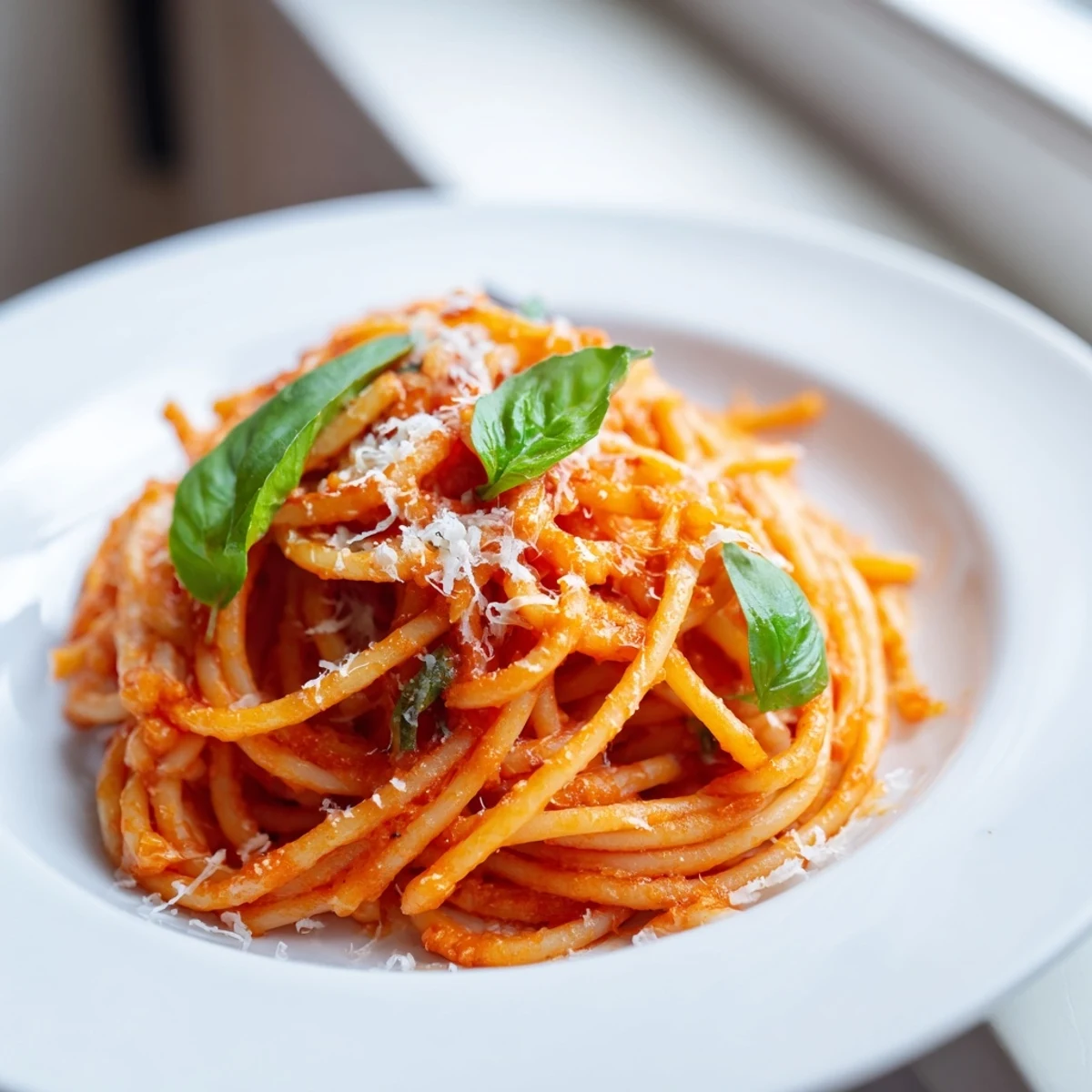
- Plate it immediately while steaming hot and shower with grated Parmesan and torn basil leaves. Serve with extra cheese at the table because no one ever complained about too much Parmesan.
 Save to Pinterest
 I have made this dish on first dates, for homesick friends, and once at midnight after a terrible day at work, and every single time it tasted like comfort wearing a different hat.
What to Serve Alongside
A crisp green salad with a sharp lemon vinaigrette cuts through the richness of the tomato sauce beautifully. Crusty bread for dunking is not optional in my house, it is mandatory. A glass of Chianti or any medium bodied red wine turns a weeknight dinner into something that feels intentional.
Making It Your Own
Throw in a pinch of chili flakes if you want warmth that sneaks up on you rather than knocking you over. A handful of Kalamata olives or capers stirred in at the end makes the whole thing taste like a seaside trattoria. You could even fold in some sautéed vegetables like zucchini or bell peppers if you are trying to clear out the fridge.
Storage and Reheating Wisdom
Leftovers keep well in the fridge for up to three days and honestly the sauce tastes even better the next day when the flavors have had time to mingle. Reheat gently on the stove with a splash of water rather than zapping it into oblivion in the microwave. Freeze the sauce on its own in a sealed container for up to three months and boil fresh pasta when you are ready.
- Toss the pasta with a drizzle of oil before storing leftovers so they do not clump together.
- Freeze sauce in individual portions for quick single meals on busy nights.
- Always taste the sauce after reheating because a tiny pinch of salt can bring it back to life.
 Save to Pinterest
 Some recipes do not need to be fancy to become the ones you reach for again and again. This is that recipe, and I hope it becomes part of your own kitchen story.
Your Recipe Questions Answered
- → Can I use fresh tomatoes instead of canned?
-
Yes, you can use fresh tomatoes. You'll need about 1.5 kg of ripe tomatoes, blanched, peeled, and crushed. Canned tomatoes provide consistent flavor year-round and save prep time.
- → What pasta shapes work best?
-
Spaghetti, penne, rigatoni, or fusilli all work wonderfully. Choose shapes with ridges or tubes to hold the sauce effectively. Long strands like spaghetti create a more traditional presentation.
- → How can I make this dish vegan?
-
Simply omit the Parmesan cheese or substitute with a vegan alternative. The tomato sauce itself is naturally plant-based and full of flavor from the herbs and vegetables.
- → Can I freeze the tomato sauce?
-
Absolutely. The sauce freezes beautifully for up to 3 months. Cool completely before storing in airtight containers. Thaw overnight in the refrigerator and reheat gently before tossing with freshly cooked pasta.
- → Why add sugar to the sauce?
-
A small amount of sugar balances the acidity of canned tomatoes, creating a more rounded flavor profile. Adjust based on your taste preference and the natural sweetness of your tomatoes.
- → How do I prevent the pasta from sticking?
-
Stir the pasta immediately after adding to boiling water. Reserve some pasta water before draining—the starch helps bind the sauce. Toss the cooked pasta immediately with sauce rather than rinsing.