
 Save to Pinterest
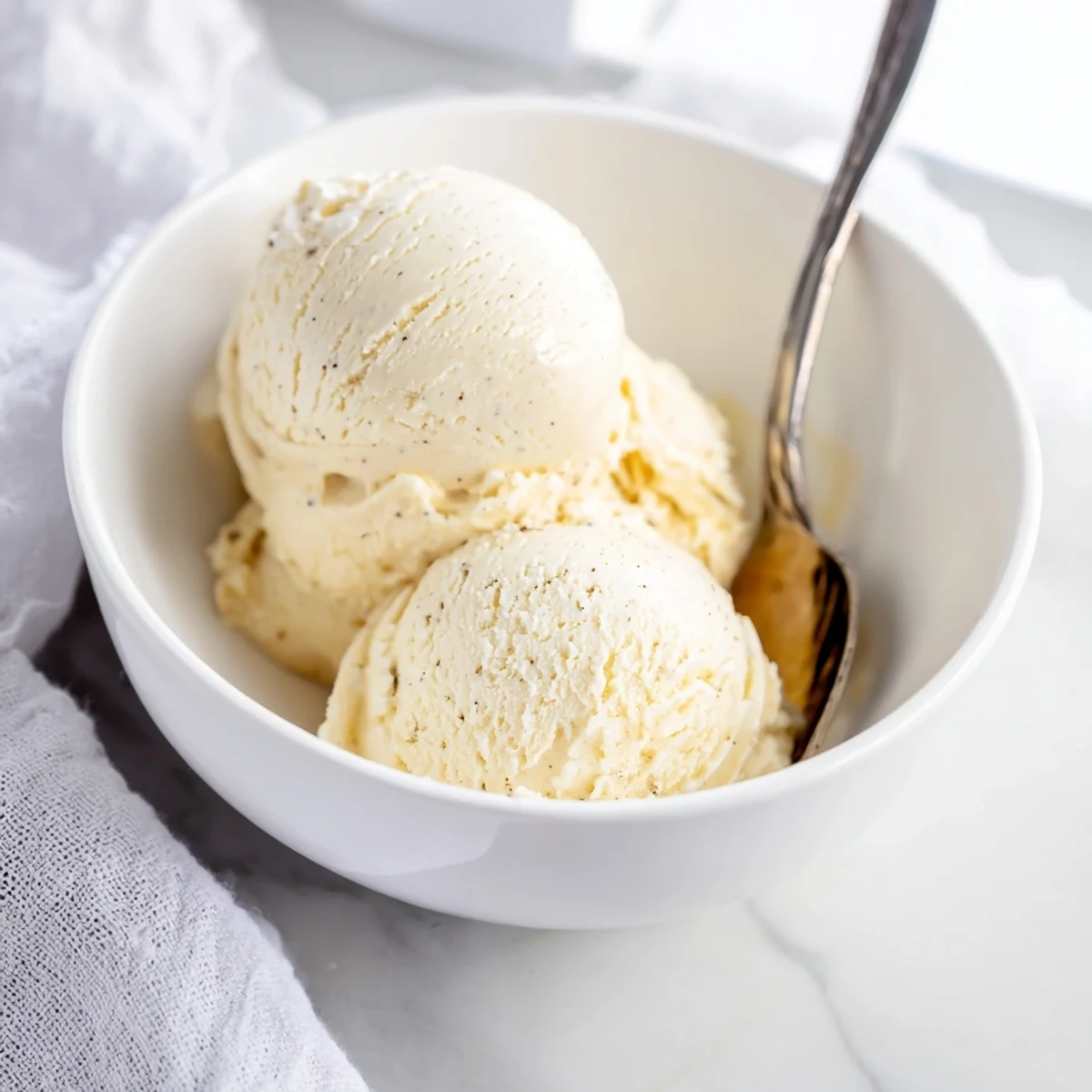
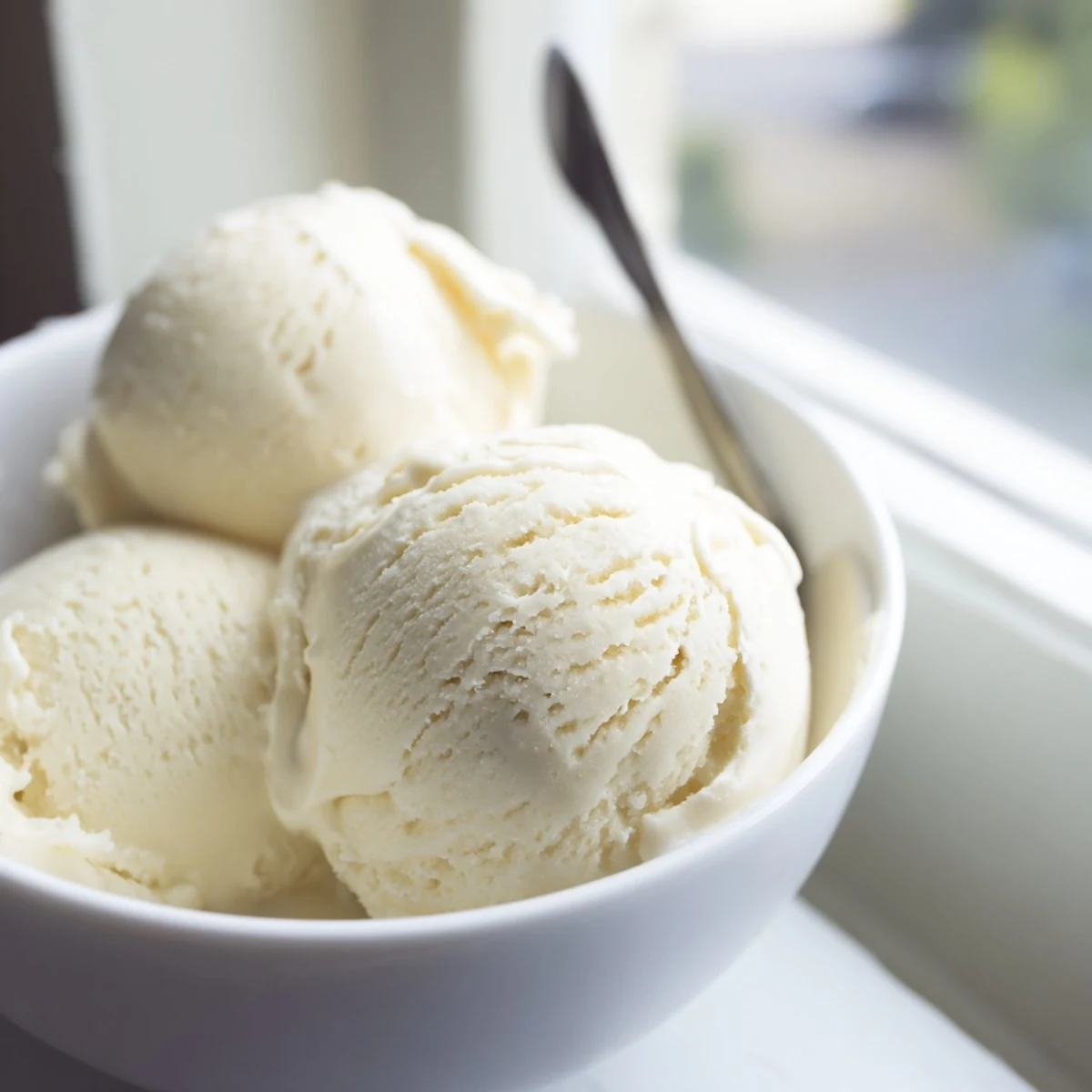
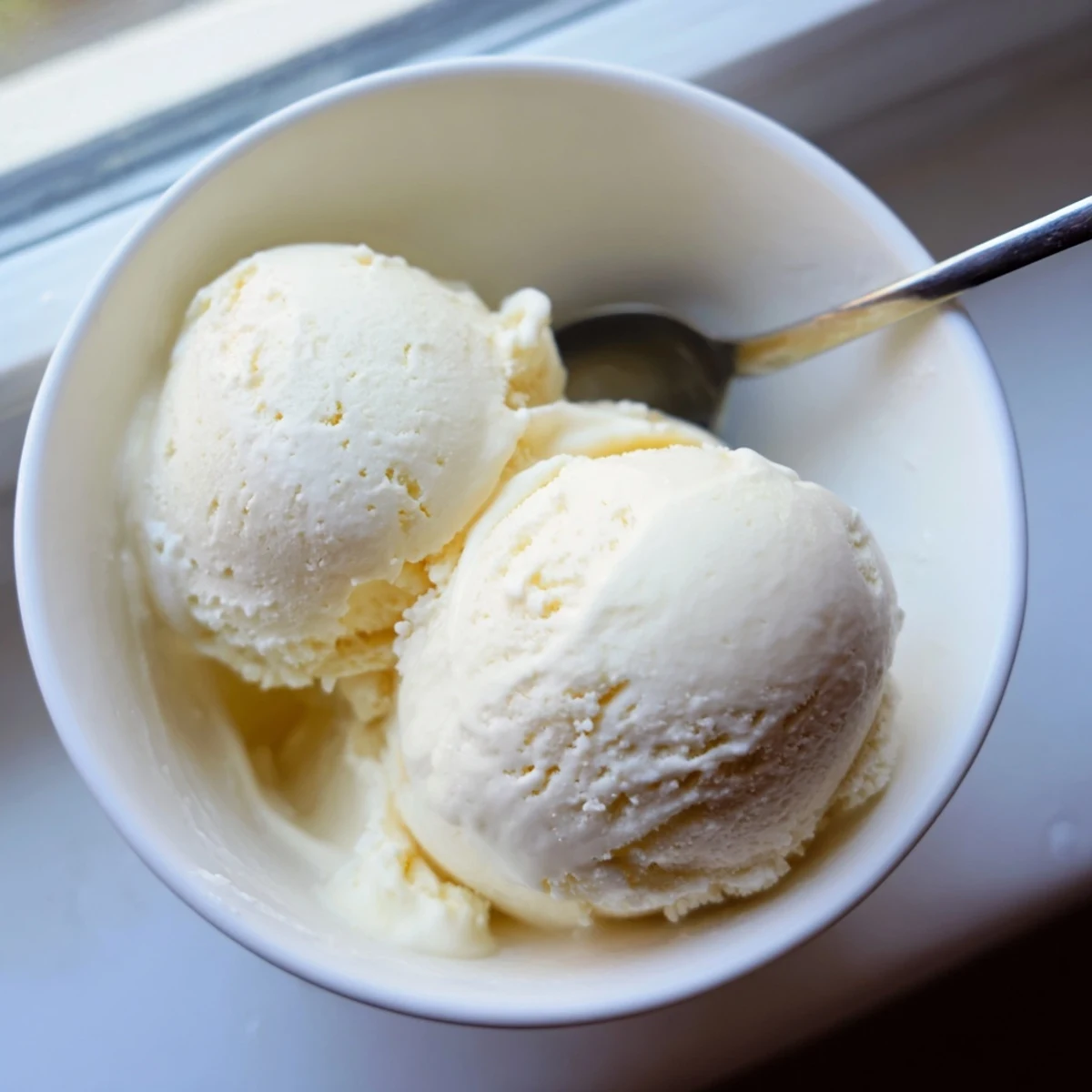
 Master the art of creating rich, creamy vanilla ice cream with this classic homemade method. The process begins with a traditional custard base made from heavy cream, whole milk, egg yolks, and pure vanilla extract. The key to achieving that perfectly smooth texture lies in properly tempering the eggs and cooking the mixture until it reaches the ideal consistency. After chilling the custard base for several hours, churning in an ice cream maker transforms it into a luscious, velvety dessert. The final freezing step ensures the perfect scoopable texture. This versatile base pairs beautifully with fresh berries, chocolate sauce, or your favorite mix-ins like chopped nuts and fruit pieces.
My grandmother never measured anything when she made ice cream, tossing cream and sugar into a pot with the confidence of someone who had done it a thousand Sundays. I tried replicating her method once and ended up with sweet scrambled eggs. That disaster sent me back to basics, and this vanilla custard recipe is the one that finally made me feel like I understood what she was doing all along.
One August evening my neighbor knocked on my door holding a basket of overripe peaches, and I churned a batch of this ice cream while we sat on the porch catching up. We ate it still soft, piled into mismatched bowls, with peach slices folded in and juice running down the sides. It was the kind of effortless summer memory that no restaurant can recreate.
Ingredients
- Heavy cream (2 cups): This is where the luxurious mouthfeel comes from, so do not even think about skimping with half and half.
- Whole milk (1 cup): Balances the richness of the cream while keeping the base fluid enough to churn properly.
- Granulated sugar (3/4 cup): Dividing it between the heating step and the yolks helps dissolve everything evenly and prevents graininess.
- Egg yolks (5 large): The true backbone of custard ice cream, giving you that dense elastic scoop you expect from a premium pint.
- Pure vanilla extract (1 tablespoon): Use the real stuff here because the flavor shines through every single bite unmasked by other ingredients.
- Salt (1/4 teaspoon): A small pinch wakes up all the sweetness and keeps the vanilla from tasting flat.
Instructions
- Warm the cream gently:
- Combine the cream, milk, and half the sugar in a saucepan over medium heat until you see steady steam rising from the surface but no bubbles breaking through.
- Build the yolk mixture:
- In a bowl, whisk the yolks with the remaining sugar and salt until the color lightens and the texture turns slightly thick and ribboned.
- Temper with patience:
- Slowly drizzle the hot cream into the yolks while whisking constantly so the eggs warm gradually without scrambling into little curds.
- Cook to the perfect coating:
- Return everything to the pan over low heat and stir without stopping until the custard thickly coats the back of your spoon and holds a clear line when you run your finger through it.
- Add the vanilla and strain:
- Take the pan off the heat, stir in the vanilla extract, then push the custard through a fine sieve to catch any tiny cooked bits you might not have noticed.
- Chill thoroughly:
- Let the custard come to room temperature, cover it tightly, and refrigerate for at least four hours or preferably overnight so the flavors deepen and the base is completely cold.
- Churn until creamy:
- Pour the cold custard into your ice cream maker and churn according to its directions until the mixture looks like soft serve and holds its shape when you scoop it.
- Freeze to finish:
- Transfer the churned ice cream to a freezer safe container, press a piece of parchment against the surface, and freeze for at least two hours until it firms up to a proper scoopable texture.
 Save to Pinterest
 I brought a container of this to a friend moving into her first apartment, and she sat cross legged on the bare living room floor eating it with a wooden spoon because the boxes with her cutlery had not arrived yet. Sometimes the best meals happen when nothing is organized or perfect.
Getting the Custard Texture Right
The single trick that changed my ice cream was learning what coating the spoon actually looks like. Dip your wooden spoon into the custard, lift it out, and draw a line through the film on the back with your fingertip. If the line holds clean and the custard does not immediately run back together, you are there.
Mix Ins and Variations
Fold in your extras after churning while the ice cream is still soft so they distribute evenly without getting pulverized by the machine. I have had great luck with crushed Oreos, toasted pecans, and fresh blueberries macerated in a little sugar.
Storing and Serving
Homemade ice cream lacks the stabilizers that keep commercial brands pliable, so it firms up considerably in the freezer and needs about ten minutes at room temperature before scooping. Pressing parchment directly onto the surface before lidding helps prevent icy crystals from forming across the top over time.
- Always let the container sit out briefly before serving to save your wrists and your ice cream scoop.
- A warm scoop run under hot water then dried glides through firm ice cream like it is nothing.
- Eat it within a week for the best flavor and creamiest consistency.
 Save to Pinterest
 There is something quietly magical about transforming a few humble pantry staples into something that makes people close their eyes and smile on the first bite. Keep this base in your back pocket and you will never run out of reasons to celebrate.
Your Recipe Questions Answered
- → How long does homemade ice cream take to freeze?
-
After churning in your ice cream maker, transfer to a freezer-safe container and freeze for at least 2 hours until firm. For optimal texture, let it sit at room temperature for 5-10 minutes before scooping.
- → Why is my ice cream not creamy?
-
Ice cream can become icy if the custard base wasn't cooked long enough to thicken properly, or if it wasn't chilled thoroughly before churning. Ensure your mixture reaches 170-175°F and cools for at least 4 hours or overnight.
- → Can I make this without an ice cream maker?
-
Yes, though the texture will be slightly different. Pour the chilled custard into a shallow container, freeze for 2 hours, stir vigorously with a fork, then repeat every 30 minutes for 3-4 hours until frozen.
- → How do I store leftover ice cream?
-
Store in an airtight freezer-safe container with parchment paper pressed directly against the surface to prevent ice crystals. Properly stored, it will maintain best quality for 1-2 weeks.
- → What mix-ins work well with vanilla base?
-
Add chopped chocolate, toasted nuts, crushed cookies, or fresh fruit after churning but before freezing. For swirls, let the mix-ins cool completely and gently fold in for marbled effects.
- → Why do I need to temper the eggs?
-
Tempering prevents the eggs from scrambling when added to hot cream. Gradually whisking hot liquid into yolks raises their temperature gently, creating a smooth, thick custard base essential for creamy texture.