
 Save to Pinterest
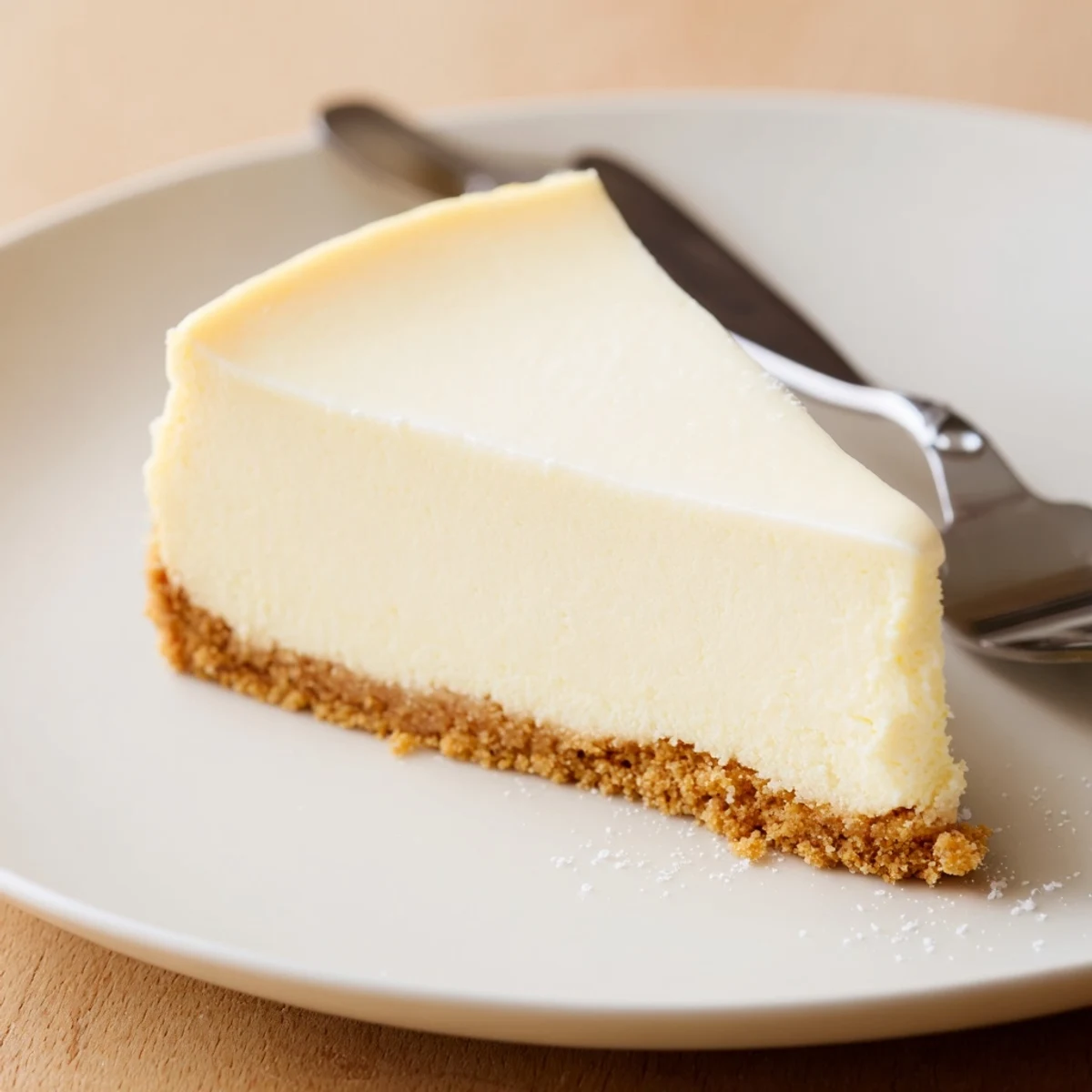
 Start by pressing a buttery graham crumb crust into a 9-inch springform and pre-bake briefly. Beat softened cream cheese with sugar, add eggs one at a time, then fold in sour cream, vanilla, flour and lemon. Bake at 160°C (325°F) until the edges are set and the center still slightly wobbly, cool in the oven, then chill at least 4 hours. Top with sweetened sour cream or berries before serving.
The oven light clicked on and suddenly my kitchen smelled like every birthday party I ever had as a kid, all because I decided a rainy Saturday in March was the right time to tackle cheesecake for the first time without my mom on speed dial.
My neighbor Lisa knocked on the door halfway through chilling time asking if something was on fire because the smell had drifted through the shared wall, and she ended up staying for two slices.
Ingredients
- Graham cracker crumbs (200 g): Fresh crumbs make a huge difference so crush your own if you can.
- Unsalted butter, melted (100 g): This binds the crust and adds that golden richness.
- Granulated sugar for crust (2 tbsp): Just enough sweetness without competing with the filling.
- Cream cheese, softened (900 g): Full fat is nonnegotiable here and let it sit out for at least an hour.
- Granulated sugar for filling (200 g): Blends into the cheese to create that smooth sweetness.
- Large eggs, room temperature (3): Cold eggs cause lumps so plan ahead.
- Sour cream (240 ml for filling): This is the secret to that velvety tang.
- Vanilla extract (2 tsp): Good vanilla transforms the whole flavor profile.
- All purpose flour (2 tbsp): A little insurance against cracking.
- Lemon juice (1 tbsp): Brightens everything without tasting lemony.
- Sour cream for topping (240 ml): Optional but it adds a gorgeous finishing layer.
- Powdered sugar (2 tbsp): Sweetens the topping gently.
- Vanilla extract for topping (1 tsp): Rounds out the topping flavor.
Instructions
- Build the crust foundation:
- Preheat your oven to 160 degrees Celsius and line a 23 cm springform pan with parchment. Toss the crumbs, melted butter, and sugar together until it feels like damp sand, then press firmly and evenly into the bottom. Bake for 10 minutes until golden and fragrant.
- Whip the cream cheese smooth:
- Beat the softened cream cheese in a large bowl until completely silky with zero lumps remaining. Add the sugar gradually and keep mixing until it looks like clouds.
- Add the eggs gently:
- Drop in one egg at a time, mixing well after each addition. Pour in the sour cream, vanilla, flour, and lemon juice, then mix until just combined and stop before you overwork it.
- Pour and smooth:
- Spread the filling over your cooled crust and use a spatula to coax it into an even layer with a gentle hand.
- Bake low and slow:
- Bake for 45 minutes until the edges are set but the center still jiggles like gelatin. Turn off the oven, crack the door open, and let it sit inside for one full hour to cool gently.
- Chill with patience:
- Remove from the oven and let it reach room temperature, then refrigerate at least four hours or preferably overnight.
- Finish with the topping:
- Stir together the sour cream, powdered sugar, and vanilla until smooth, then spread it over the chilled cheesecake right before serving.
 Save to Pinterest
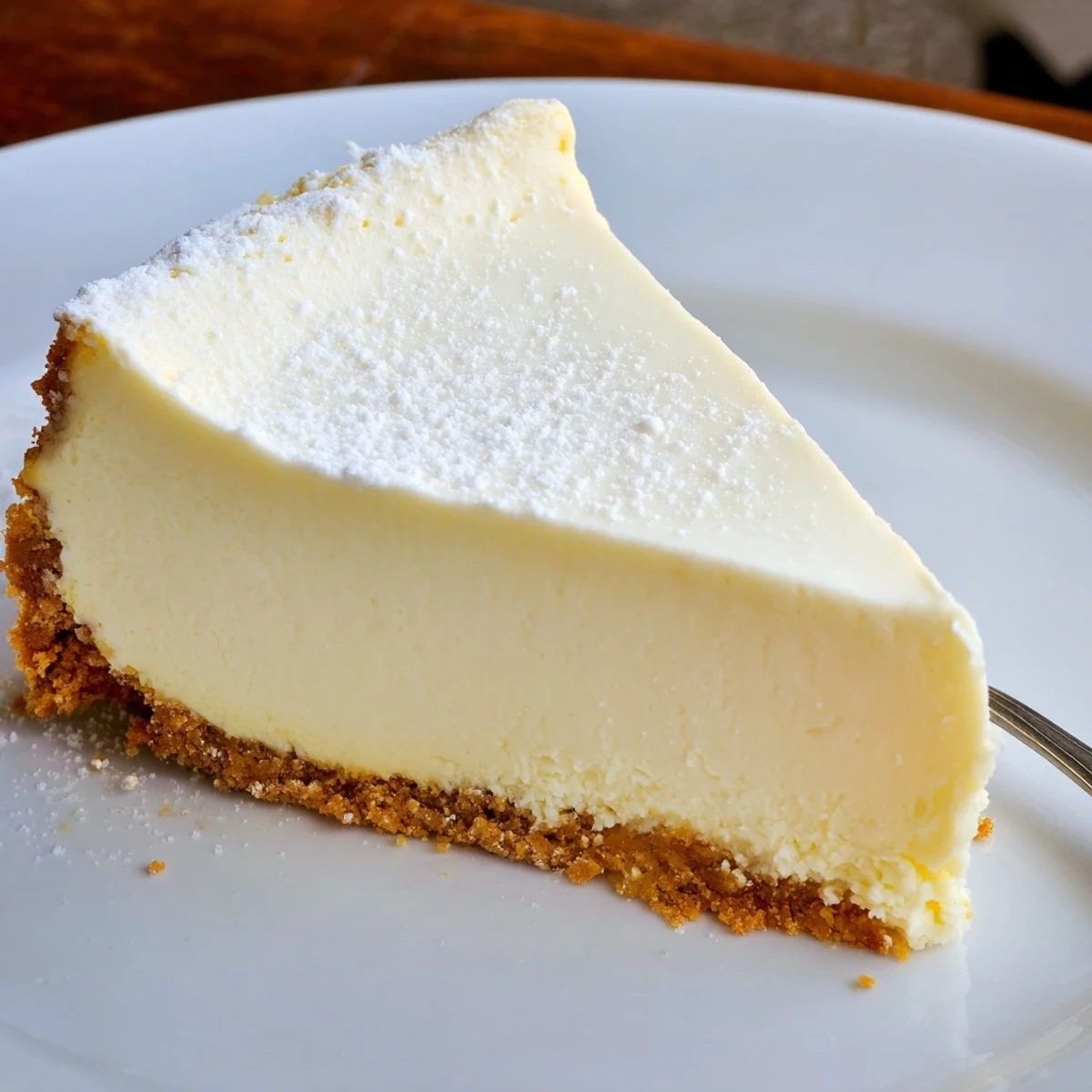
 The moment I pulled a perfectly crack free cheesecake from the fridge the next morning, I stood there in slippers just staring at it like it was a small miracle on a plate.
What to Know About Serving
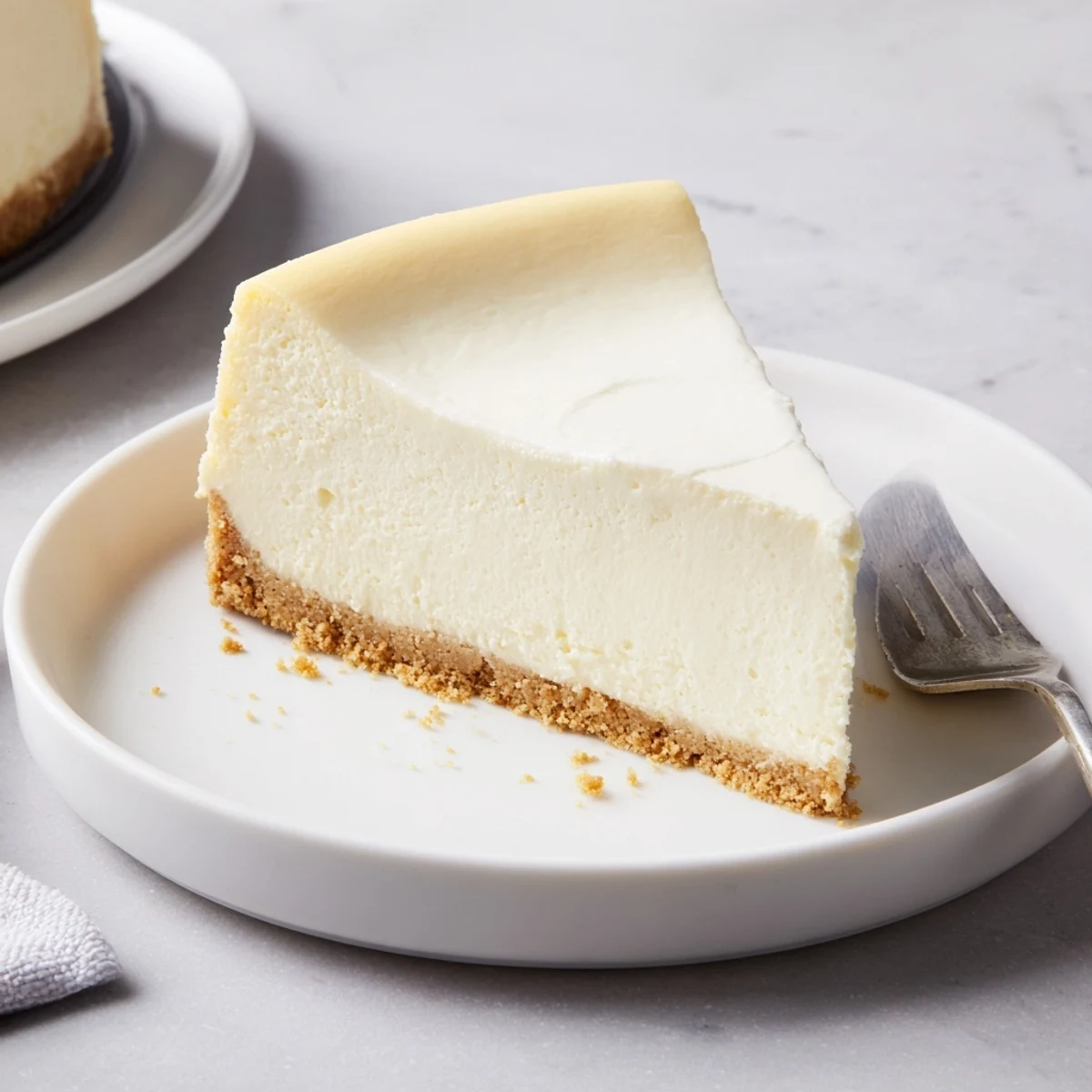
Run a thin knife under hot water and wipe it dry between each slice for clean bakery style cuts that photograph beautifully.
Storage That Actually Works
Cover the cheesecake tightly with plastic wrap and it stays lovely in the fridge for up to five days, though in my house it never lasts past day two.
Easy Variations to Try
Once you master the base recipe, small tweaks keep it exciting all year round.
- Finely grated orange zest in the filling makes it taste like winter holidays.
- Fresh berries or a quick compote on top balance the richness perfectly.
- An extra tablespoon of flour gives you a denser, sliceable texture if that is your preference.
 Save to Pinterest
 Every cheesecake I have made since that rainy Saturday carries a little more confidence and a lot more joy.
Your Recipe Questions Answered
- → How can I prevent cracks on the top?
-
Use room-temperature eggs and avoid overbeating the batter. Bake until the edges are set but the center still wobbles slightly, then cool slowly with the oven door cracked to reduce sudden temperature changes; chilling fully also helps prevent cracks.
- → How do I know when the cheesecake is done?
-
The edges should look set and slightly puffed while the center remains gently wobbly when you nudge the pan. It will firm as it cools and chills, so avoid overbaking to keep a creamy texture.
- → Can I use a different crust?
-
Yes—crushed digestive biscuits, shortbread, or even chocolate cookies work well. Adjust the melted butter so the crumbs press together firmly, and prebake the crust briefly for stability.
- → How can I add citrus notes without affecting texture?
-
Incorporate finely grated lemon or orange zest and a small splash of juice. Keep the added liquid minimal to maintain the filling's structure; zest provides the most aroma with little impact on texture.
- → How long should it chill before serving?
-
Chill for at least 4 hours, but preferably overnight. Extended chilling allows the filling to set fully and yields cleaner slices and a silkier mouthfeel.
- → What is the best way to store leftovers?
-
Store covered in the refrigerator for up to 4 days. For longer storage, freeze individual slices wrapped tightly and thaw overnight in the fridge before serving.