
 Save to Pinterest
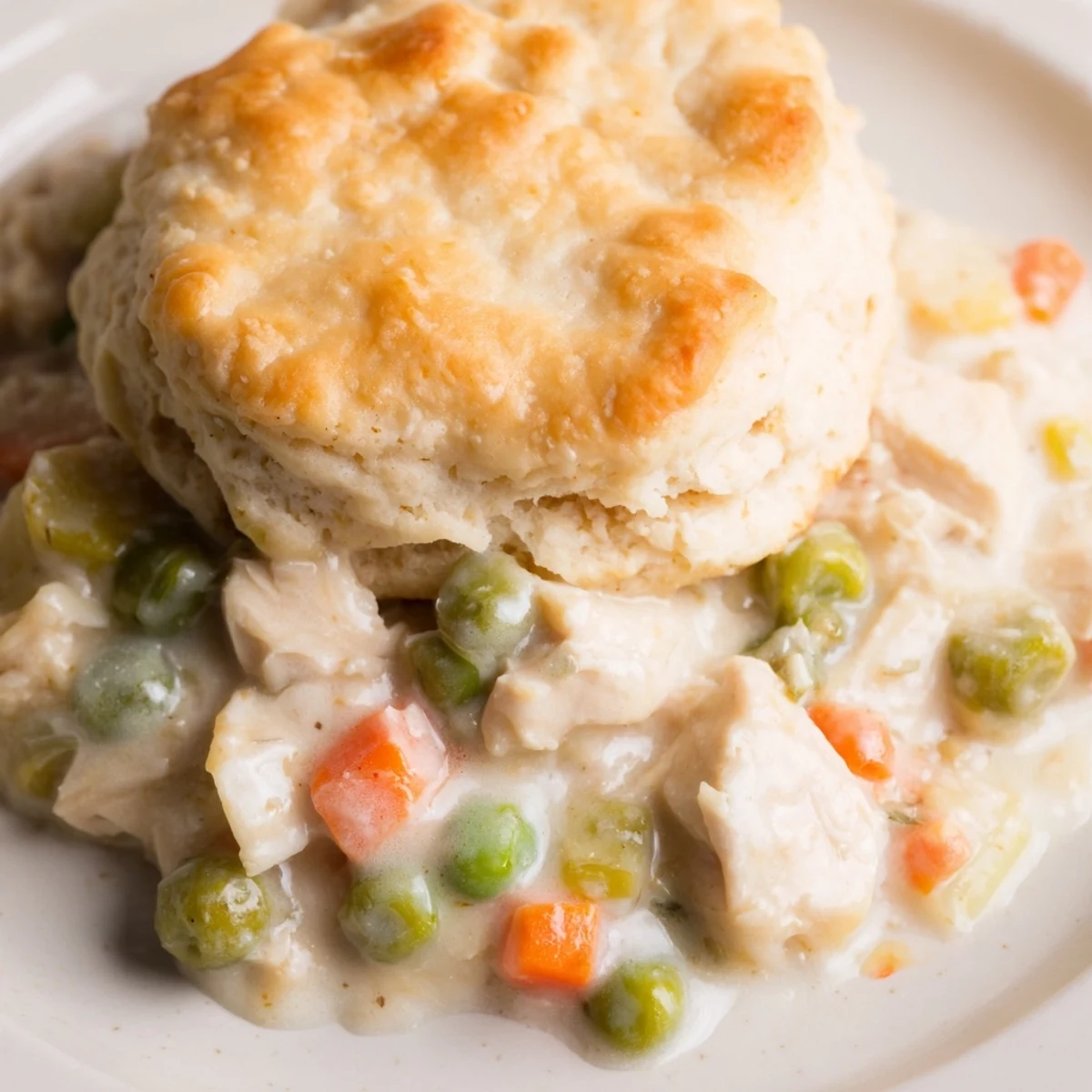
 This comforting dish combines tender chicken and diced vegetables in a creamy sauce, lovingly topped with a golden, flaky biscuit crust. The filling simmers with aromatic herbs, while the biscuit dough, made with cold butter and buttermilk, bakes to a light golden brown. Perfectly balanced with savory flavors and hearty textures, it offers a satisfying meal that pairs beautifully with a crisp white wine.
Preparation involves sautéing a medley of onion, carrots, celery, and garlic before thickening with flour and simmering with broth, milk, and seasonings. The biscuit crust is carefully spooned over the hot filling, allowing steam to escape during baking, resulting in a tender, flaky topping that complements the creamy base.
There's something about the smell of butter and chicken broth simmering together that instantly takes me back to my grandmother's kitchen on a rainy Sunday afternoon. I was maybe ten, watching her layer cream sauce and tender chicken into a waiting dish with the kind of careful attention usually reserved for something precious. She didn't rush it, and somehow I understood that day that cooking for people you love isn't just about feeding them—it's about giving them comfort in edible form. That's when chicken pot pie stopped being just dinner and became something I wanted to master.
I made this for my sister the winter she moved into her first apartment, and I remember her standing in that kitchen with barely any furniture, just the smell of pot pie filling her whole space. She cried a little—not sad, just overwhelmed—and we sat on boxes eating it straight from the baking dish because she hadn't unpacked her dishes yet. Food has this quiet power sometimes.
Ingredients
- Unsalted butter: Start with cold butter for the biscuits and use it cold—this is what creates those flaky layers everyone will talk about.
- Yellow onion, carrots, and celery: This trio is the flavor foundation; don't skip the celery even if you think you don't like it.
- Garlic: Three cloves feels right, giving warmth without overpowering the delicate chicken.
- Cooked chicken: Use a rotisserie chicken if you're short on time, or poach breasts gently in broth the night before.
- Frozen peas: They add sweetness and color; thawed fresh peas work too if you have them.
- All-purpose flour: This acts as your thickener; it has to be whisked in properly or you'll get lumps.
- Chicken broth and whole milk: The milk makes it luxurious; don't use low-fat and expect the same richness.
- Salt, pepper, thyme, and parsley: These herbs are subtle but essential—they keep the filling from tasting one-dimensional.
- Baking powder and baking soda: Both are needed for the biscuits to rise properly and taste right.
- Cold buttermilk: It needs to be cold and added quickly; overmixing dough is the biggest biscuit mistake.
Instructions
- Preheat and start your base:
- Get your oven to 400°F and start melting butter in a large skillet. You'll hear it sizzle when you add the onion, carrots, and celery—that sizzle means you're building flavor, not just cooking vegetables. Let them soften for about five to six minutes until the edges of the onion turn translucent.
- Bring in the aromatics:
- Add your minced garlic and cook it for exactly one minute; any longer and it gets bitter. You should smell something wonderful—that's your signal to move forward.
- Create your thickener:
- Stir in the flour and keep stirring for one to two minutes straight. This cooking-out process matters; it stops the flour from tasting raw in the final dish. Your mixture will look almost paste-like, which is exactly right.
- Build the creamy sauce:
- Slowly whisk in the chicken broth and milk, watching carefully as the mixture transforms from lumpy to silky. Bring it to a gentle simmer and let it thicken for three to four minutes—it should coat the back of a spoon but still move when you tilt it.
- Add the chicken and vegetables:
- Fold in your shredded chicken, frozen peas, and seasonings. Taste it here and adjust salt if needed; this is your last chance to season properly. Simmer for two to three minutes, then pour everything into your baking dish while it's still hot.
- Make the biscuit dough:
- In a separate bowl, whisk together your dry ingredients. Cut the cold butter into small pieces and work it in until the mixture looks like coarse breadcrumbs—this is crucial for flakiness. Pour in the cold buttermilk and stir just until combined; the dough should look shaggy, almost under-mixed, which is the right instinct.
- Top and finish:
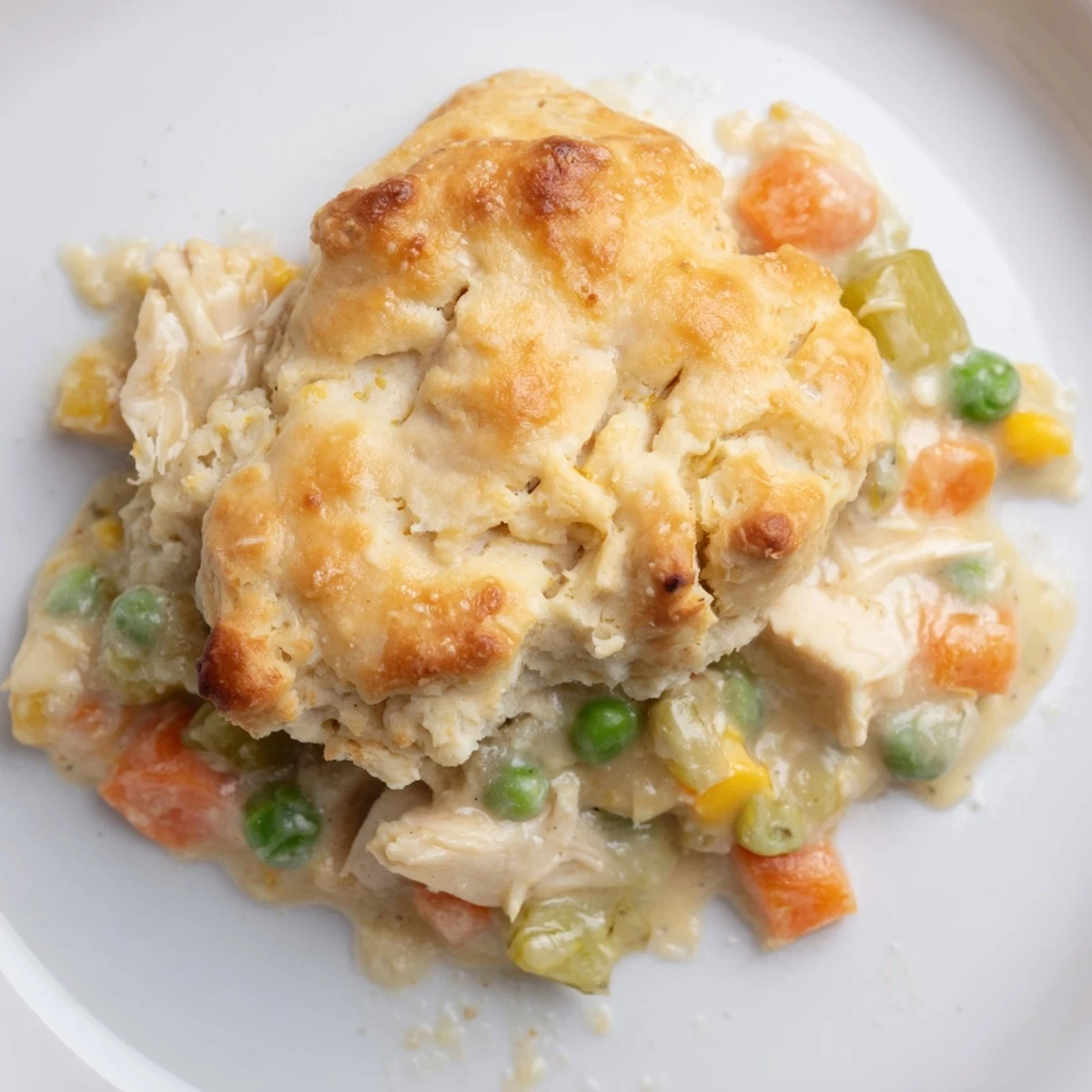
- Drop spoonfuls of dough over the hot filling, leaving small gaps so steam can escape. Brush the tops with buttermilk and slide into the oven for twenty-five to thirty minutes until the biscuits are golden and the edges are bubbling. Let it cool for five minutes—this helps everything set without the filling being mouth-burning hot.
 Save to Pinterest
 My neighbor brought me a slice of her pot pie once, just a small act of kindness when I was recovering from surgery. I remember being surprised by how much comfort food could actually provide—it wasn't just about tasting good, it was about feeling cared for in a way that mattered.
Why This Dish Works Every Single Time
Chicken pot pie is forgiving in a way that other dishes aren't. The filling can be made ahead and reheated, the biscuits can be mixed right before baking, and if your first batch of biscuits doesn't look magazine-perfect, they'll still taste incredible. It's a dish that rewards care but doesn't punish you for being human about it.
How to Make It Your Own
The beauty of this recipe is that it's a framework for whatever vegetables or proteins you have on hand. Some people swear by adding corn or fresh green beans, others layer in mushrooms for earthiness or roasted garlic for depth. Turkey works beautifully if you have leftover poultry, and I've even made a vegetarian version with extra cream and good herbs that nobody missed the chicken from.
Serving and Pairing
This is the kind of dish that stands alone—you don't need much else on the plate except maybe a simple green salad or some crusty bread to soak up the sauce. If you're pairing it with wine, a crisp Chardonnay complements it beautifully without competing for attention.
- Serve it straight from the baking dish at the table for a casual, comforting presentation.
- Leftovers keep for three days in the refrigerator and reheat gently in a 350°F oven, covered with foil.
- For freezing, assemble everything except the biscuits, cool completely, and freeze the filling up to two months—add fresh biscuits when you reheat.
 Save to Pinterest
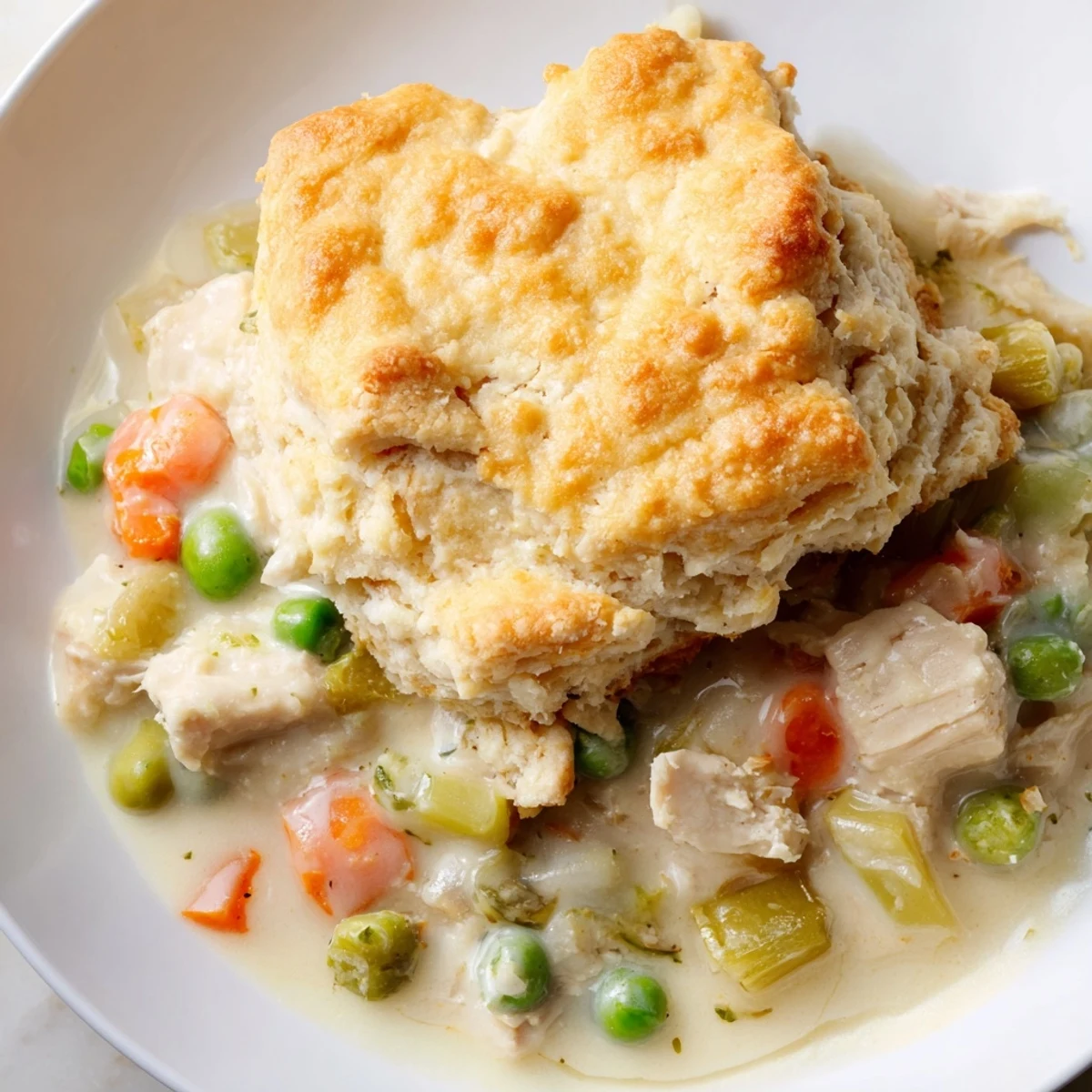
 This is comfort food in its truest form—the kind of dish that tastes like home, whatever that means to you. Make it often, share it generously, and watch how it becomes part of your own story.
Your Recipe Questions Answered
- → What can I substitute for chicken in this dish?
-
Turkey works well as a substitute, offering a similar texture and flavor profile. You can also try other cooked meats or even plant-based alternatives for variation.
- → How do I ensure the biscuit crust is flaky?
-
Use cold unsalted butter cut into the flour mixture and combine with buttermilk just until mixed. Avoid overworking the dough to keep it light and flaky.
- → Can I add other vegetables to the filling?
-
Yes, vegetables like corn or green beans are great additions that add texture and enhance the dish’s flavor complexity.
- → What type of pan is best for baking this dish?
-
A 9x13-inch baking dish or a large oven-safe skillet is ideal for even heat distribution and proper cooking of both filling and crust.
- → Any tips for preventing a soggy crust?
-
Allow the filling to thicken properly and leave gaps between biscuit dough dollops to let steam escape, keeping the crust crisp and golden.
- → Can I prepare this dish ahead of time?
-
Yes, assemble the filling and biscuit dough separately, then combine and bake when ready. This maintains freshness and texture.