
 Save to Pinterest
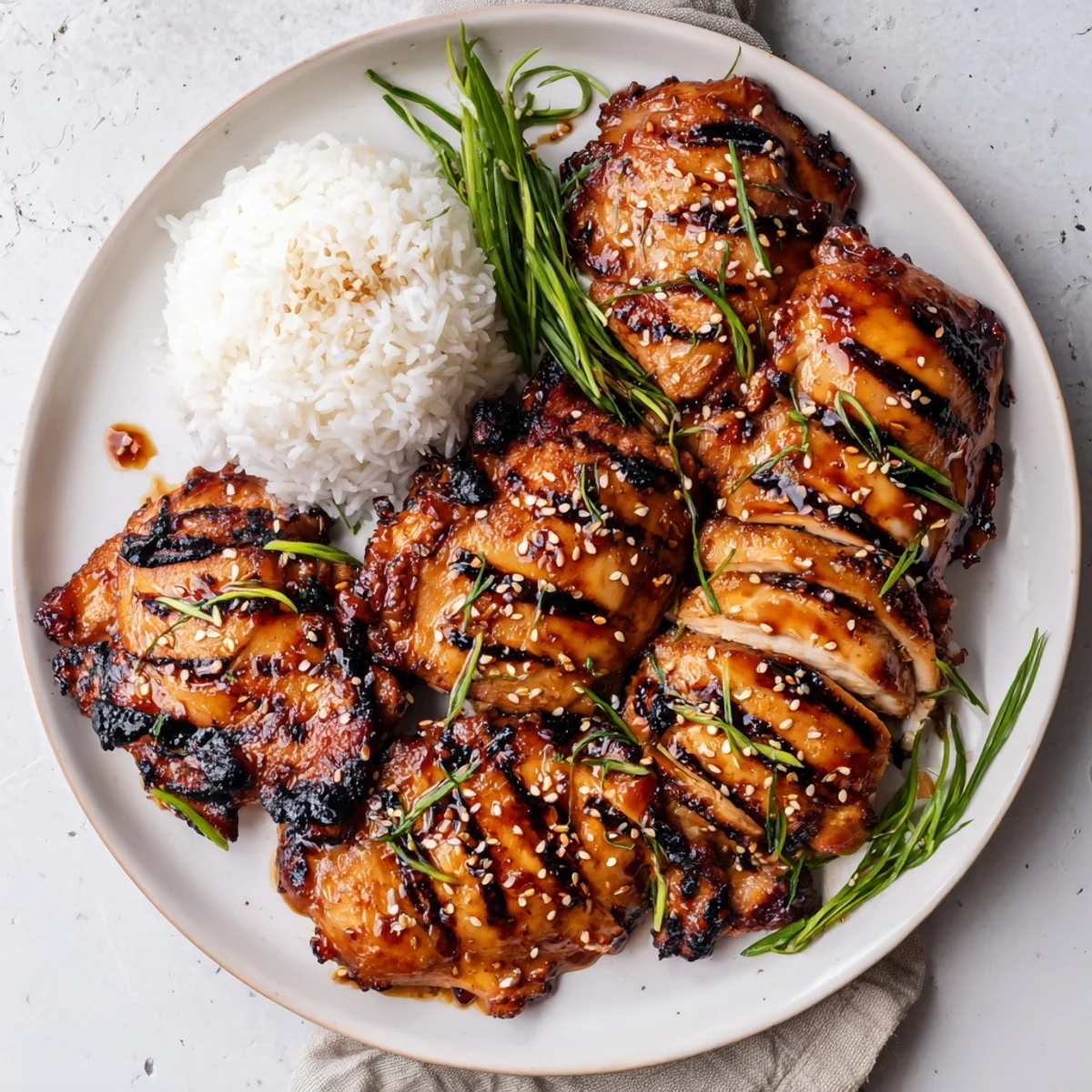
 Marinate boneless chicken thighs in a hoisin-soy-honey blend with garlic, ginger, five-spice, Shaoxing and sesame oil for at least 2 hours or overnight for deeper flavor. Roast at 200°C (400°F) on a rack, brush with reserved marinade after 15 minutes and continue until glossy and caramelized. Finish briefly under a broiler or on a grill for extra char, then rest, slice and garnish with scallions and sesame.
The smell of char siu hanging in restaurant windows always pulled me in, glossy strips of pork gleaming under fluorescent lights, edges dark and caramelized. One rainy Tuesday I decided to recreate that magic at home with chicken thighs instead of pork, mostly because that was what sat in my fridge. The kitchen filled with something deeply familiar within minutes, sweet and savory and impossible to ignore. That first batch was slightly too salty, but I kept tweaking until it became the dish my friends now text me about on random weeknights.
I made a double batch for a friend moving apartment last spring, packing it into containers alongside steamed rice while she taped boxes around me. She called three days later from her new kitchen saying she had eaten the leftovers cold straight from the fridge at midnight and it was somehow even better.
Ingredients
- 800 g boneless skinless chicken thighs: Thighs are non negotiable here because the fat renders into the glaze and keeps everything succulent, while breast meat dries out before the sauce properly caramelizes.
- 3 tbsp hoisin sauce: This is the backbone sweetness, deep and molasses tinged, so grab a decent brand because the cheap ones taste flat.
- 2 tbsp soy sauce: Adds the salty umami punch that balances all the sugar, and regular soy works better than the dark stuff which can turn bitter.
- 2 tbsp honey: The honey is what gives that lacquered, finger licking stickiness, and it browns beautifully under high heat.
- 1 tbsp oyster sauce: A quiet layer of savory complexity most people cannot pinpoint but would absolutely miss if it were gone.
- 1 tbsp Shaoxing wine or dry sherry: Rounds off the sharp edges of the marinade and adds a faint warmth underneath everything.
- 2 cloves garlic minced: Fresh garlic only because the jarred version lacks the pungency that cuts through all that sweetness.
- 1 tsp five spice powder: This tiny spoonful is what makes it taste unmistakably Chinese, warm and fragrant with star anise and cinnamon.
- 1 tsp grated fresh ginger: Grate it fine so no one bites into a fibrous chunk, and it brightens the heavy glaze beautifully.
- 1 tsp sesame oil: Just a dash at the end of the marinade mixing, toasted and fragrant, never used as a cooking oil.
- Half tsp red food coloring optional: Traditional char siu gets its red hue from fermented bean curd, but a few drops of coloring give that classic look without fuss.
- 2 green onions thinly sliced: Scattered on at the end for freshness and a mild bite that breaks up the richness.
- 1 tsp sesame seeds: Pure garnish, but they catch the light and make the dish look like it came from somewhere much fancier than your kitchen.
Instructions
- Whisk the marinade together:
- Drop everything into a bowl, hoisin, soy, honey, oyster sauce, Shaoxing wine, garlic, five spice, ginger, sesame oil, and food coloring if using, then whisk until dark and smooth. Taste it on your fingertip and adjust if it needs more sweetness or salt.
- Coat the chicken thoroughly:
- Toss the thighs into the marinade and use your hands to massage it into every fold and crevice. Cover and slide it into the fridge for at least two hours, though overnight transforms it into something genuinely special.
- Set up the roasting station:
- Heat the oven to 200 degrees Celsius and line a tray with foil, then set a rack on top so the chicken roasts instead of steaming in its own juices. This single step is what separates sogky from stunning.
- Arrange and start roasting:
- Lay the thighs on the rack, letting extra marinade drip away into the tray below, and keep the leftover marinade in a small bowl. Slide the tray into the oven and set a timer for fifteen minutes.
- Baste and finish roasting:
- Pull the tray out carefully and brush the chicken generously with that reserved marinade, watching it drip and sizzle, then roast another ten to fifteen minutes until the surface is glossy and deeply caramelized. A broil for two or three minutes at the end adds those gorgeous blistered spots.
- Rest slice and garnish:
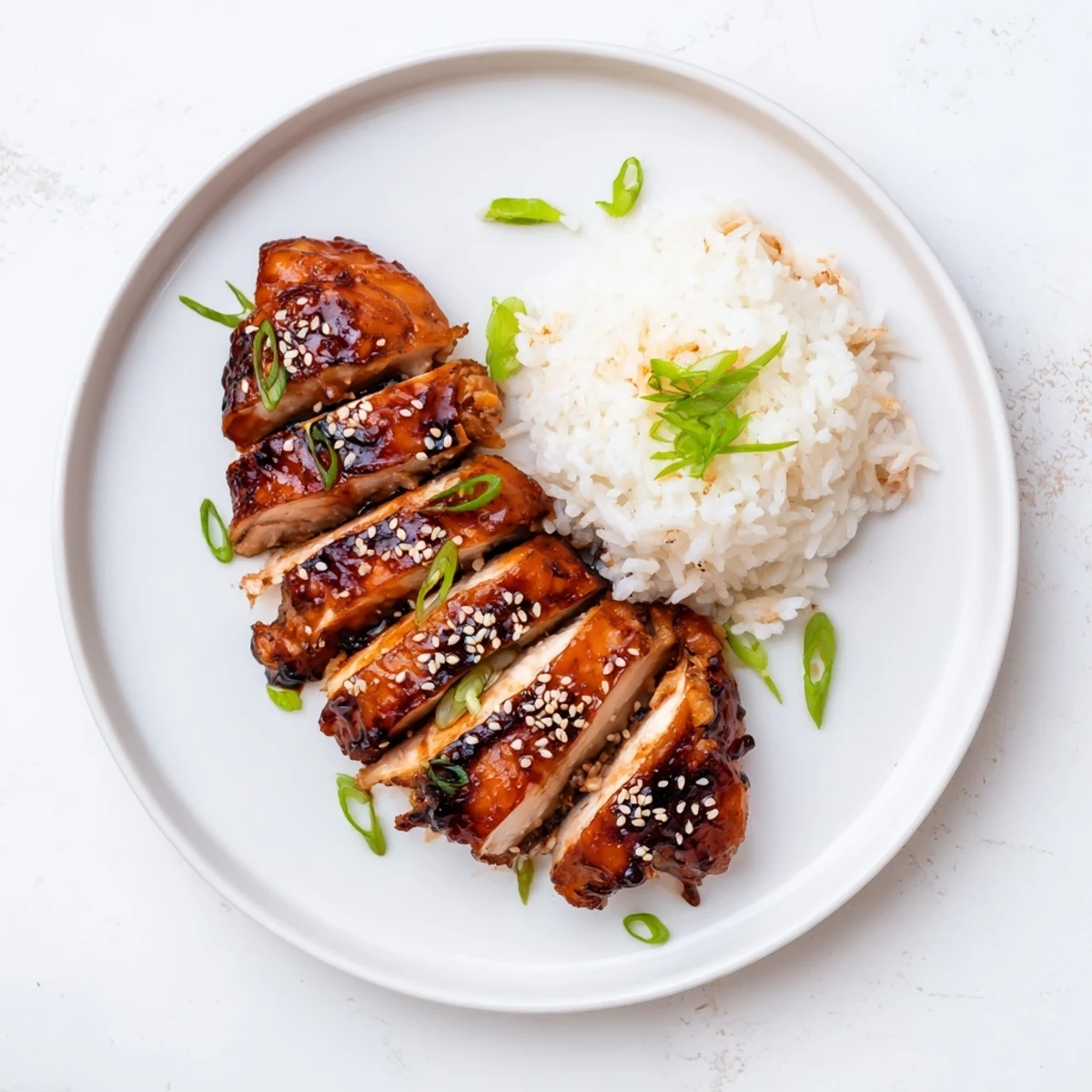
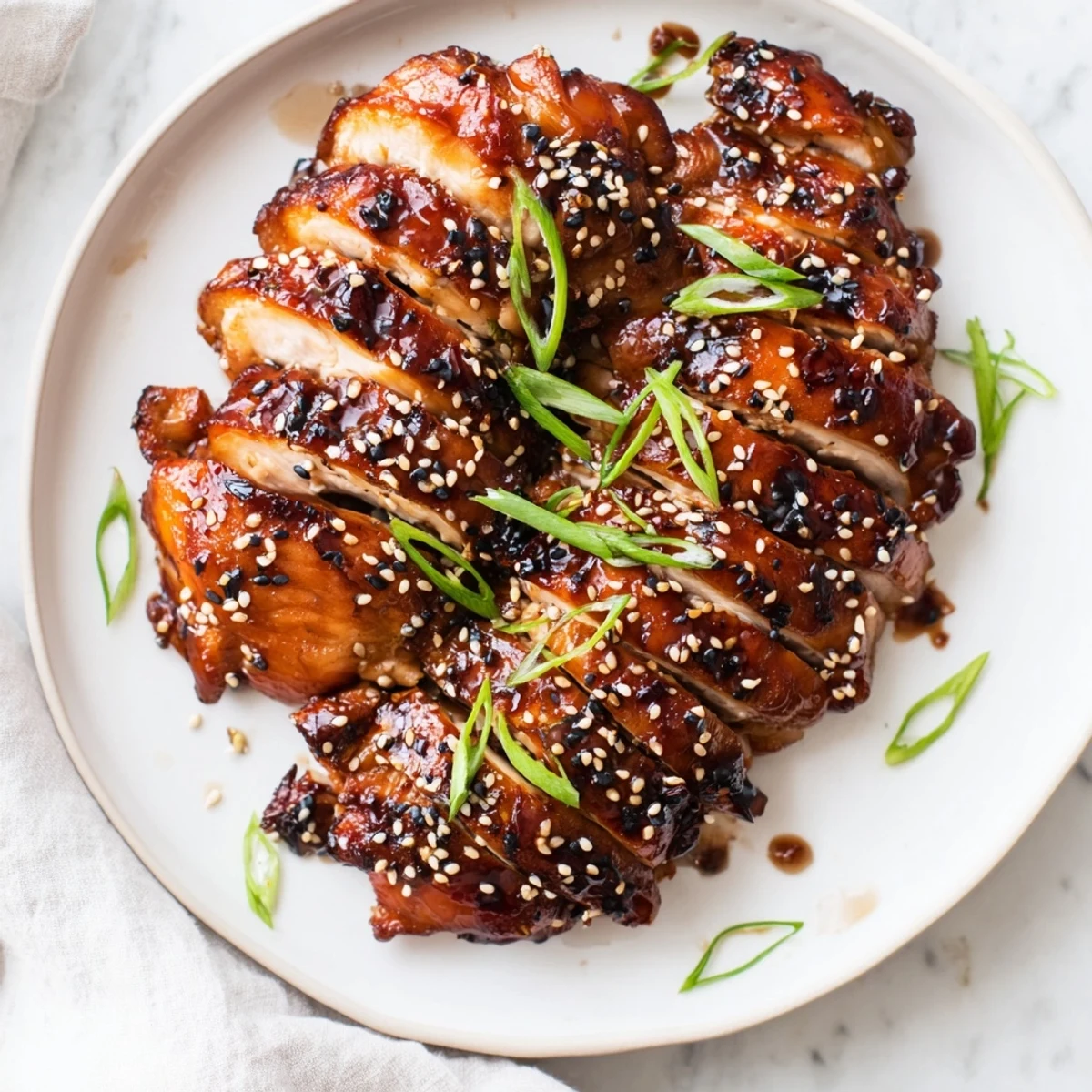
- Let the chicken sit for five minutes so the juices redistribute, then slice into thick strips and pile onto a plate. Scatter green onions and sesame seeds over the top and serve with steamed rice alongside something green.
 Save to Pinterest
 There is something quietly powerful about slicing into a piece of chicken that glistens like polished wood, the knife catching on caramelized edges while the inside yields soft and pink tinged. It stopped being just dinner somewhere along the way and became the thing I cook when someone needs taking care of.
What to Serve Alongside
Plain steamed jasmine rice is the obvious answer because it absorbs the sweet glaze like a sponge, but a pile of quickly stir fried bok choy with garlic balances the richness perfectly. On cold evenings I add a simple egg drop soup to start, and the whole meal feels complete without any fuss.
Making It Your Own
The marinade is forgiving enough to handle substitutions, so try maple syrup instead of honey for a deeper autumnal sweetness or add a spoon of chili crisp if you want heat running through the glaze. I once stirred in a tablespoon of miso paste on a whim and it added a funky, salty depth that surprised everyone at the table.
Storing and Reheating
Leftovers keep well in the fridge for three days and reheat beautifully in a hot skillet with a splash of water to loosen the glaze back into something saucy and alive.
- Freeze sliced pieces in a single layer on a tray before transferring to a bag so they do not clump together.
- Avoid microwaving because it toughens the meat and kills the sticky texture you worked hard to build.
- Always bring leftovers to room temperature for ten minutes before reheating for the most even result.
 Save to Pinterest
 Keep this one close because it will show up for you on busy nights and lazy weekends alike, reliably golden and sticky and exactly what comfort is supposed to taste like.
Your Recipe Questions Answered
- → How long should the chicken marinate?
-
Marinate for at least 2 hours to let flavors penetrate; overnight yields the best depth and tenderness thanks to the sugar and soy components.
- → Can I use chicken breasts instead of thighs?
-
Yes — breasts will cook faster and can dry out more easily. Reduce roasting time, monitor internal temperature, and consider brining briefly or slicing thicker pieces for juicier results.
- → How do I get a glossy, slightly red finish?
-
The shine comes from the sugar in honey and hoisin caramelizing under high heat; optional red food coloring or a touch of maltose can provide a traditional hue without affecting flavor.
- → What substitutions work for common allergens?
-
Use gluten-free tamari and a gluten-free hoisin alternative to avoid wheat. Replace oyster sauce with a mushroom-based umami sauce for a shellfish-free option, and check labels carefully.
- → What’s the best way to add smoky char?
-
Finish under a high broiler for 2–3 minutes or transfer to a hot grill for direct flames. A quick sear on a hot pan can also deepen caramelization and add smoky notes.
- → How should leftovers be stored and reheated?
-
Refrigerate in an airtight container up to 3 days. Reheat gently in a low oven covered to preserve gloss, or briefly sear slices in a hot pan to refresh the glaze.