
 Save to Pinterest
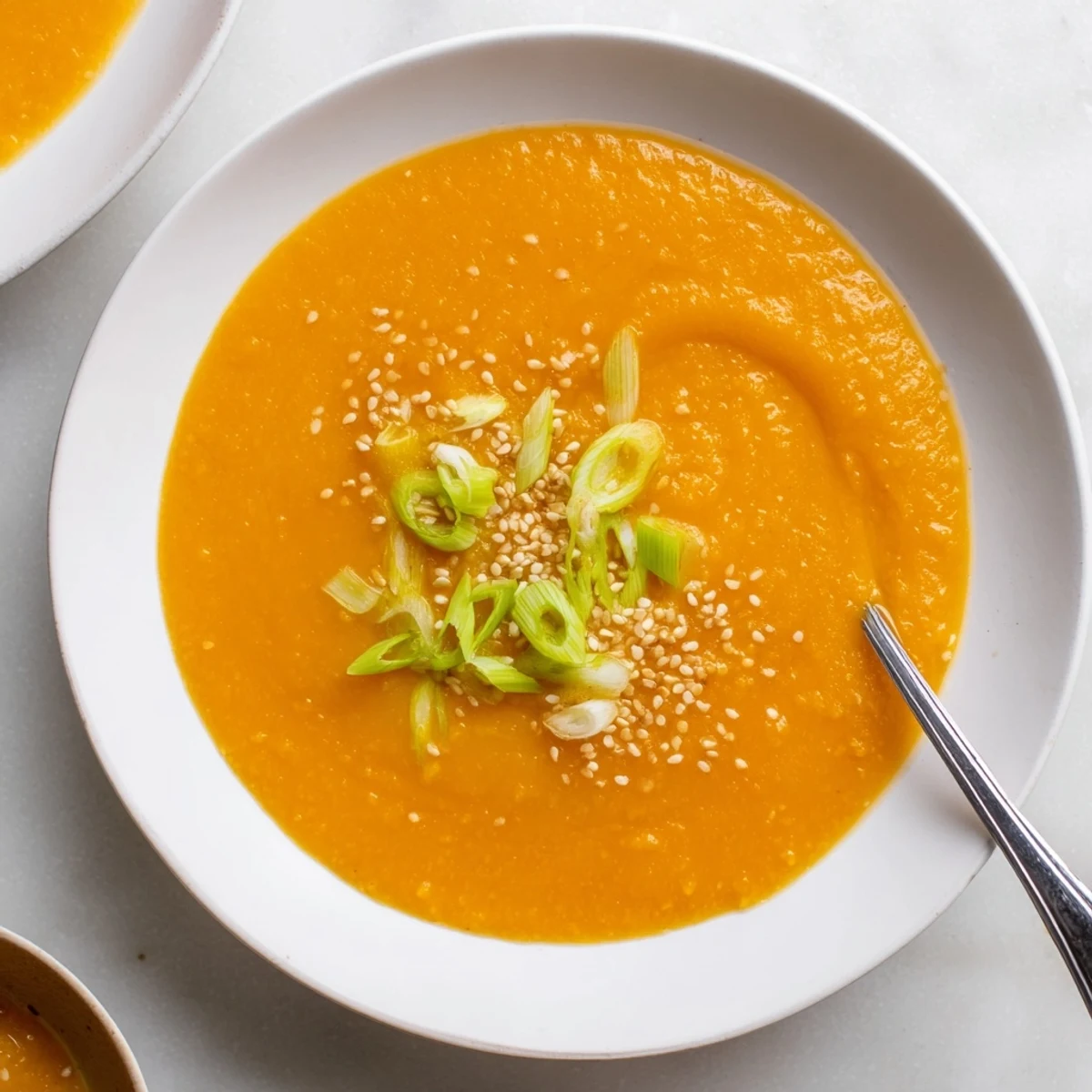
 This carrot, ginger and white miso soup comes together in about 35 minutes. Start by sautéing onion, garlic and grated ginger in olive oil, add sliced carrots and simmer in vegetable broth until very tender. Purée until silky, dissolve miso in a ladleful of hot soup and stir back in - do not boil after adding miso. Finish with soy, scallions and toasted sesame; add coconut milk for extra creaminess.
There is something about the color of blended carrots that makes a gray Tuesday feel salvageable, and this soup has pulled me through more of those evenings than I can count. The ginger hits your sinuses before the spoon even reaches your lips, and the miso wraps everything in a savory warmth that feels like a long exhale. It started as a desperate fridge clearing exercise and became the thing I make when I want to feel slightly invincible without trying very hard.
My neighbor Dave knocked on my door one winter evening returning a borrowed shovel and caught me mid blend with orange speckled forearms and steam curling off the pot. He ended up staying for two bowls and now texts me every time he sees carrots on sale at the farmers market.
Ingredients
- Carrots (1 lb, peeled and sliced): The sweetness is the backbone here so do not bother with baby carrots, get the real gnarly ones with the tops still attached.
- Onion (1 medium, diced): Any color works but yellow onion gives a mellow sweetness that stays out of the gingers way.
- Garlic (2 cloves, minced): Fresh is nonnegotiable, the jarred stuff tastes flat and this soup deserves better.
- Fresh ginger (1 inch piece, peeled and grated): Freeze it first and it grates into a fine paste with zero stringy bits, a trick a sushi chef once told me.
- Vegetable broth (4 cups): Low sodium lets you control the salt, especially since miso and soy sauce bring their own.
- White miso paste (2 tbsp): This is your secret weapon, dissolve it separately before adding so it does not clump and never let it boil.
- Olive oil (1 tbsp): Just enough to sweat the aromatics without making anything greasy.
- Soy sauce (1 tbsp): Tamari if you are keeping it gluten free, either way it deepens the umami.
- Salt and pepper: Taste at the very end, the miso does more heavy lifting than you expect.
- Scallions (2, thinly sliced, optional garnish): The sharp green bite cuts through the sweetness perfectly.
- Toasted sesame seeds (1 tbsp, optional garnish): Toast them yourself in a dry pan, the ones from the shaker taste like cardboard.
Instructions
- Wake up the aromatics:
- Heat olive oil in a large pot over medium heat and add the diced onions, stirring occasionally until they turn glassy and soft, about 3 to 4 minutes. Your kitchen should already smell like the promise of something good.
- Add the punch:
- Toss in the minced garlic and grated ginger, stirring for about a minute until the fragrance hits you and you involuntarily close your eyes.
- Bloom the carrots:
- Stir in the sliced carrots and let them coat in the oil and aromatics for 2 minutes, just long enough to sweeten slightly at the edges.
- Simmer until surrender:
- Pour in the vegetable broth, bring everything to a boil, then lower the heat and let it simmer for 18 to 20 minutes until a fork slides through the carrots like they are not even trying anymore.
- Blend until silky:
- Remove from heat and use an immersion blender to puree until completely smooth, or work in careful batches with a regular blender, leaving the lid cracked to let steam escape.
- Add the miso gently:
- Scoop a ladleful of hot soup into a small bowl and whisk the miso paste into it until dissolved, then stir this mixture back into the pot along with the soy sauce. This keeps the miso from clumping and protects its delicate flavor.
- Warm, do not boil:
- Return the pot to very low heat just long enough to warm through, tasting and adjusting salt and pepper as needed. Boiling miso kills its complexity and you did not come this far to let that happen.
- Finish and serve:
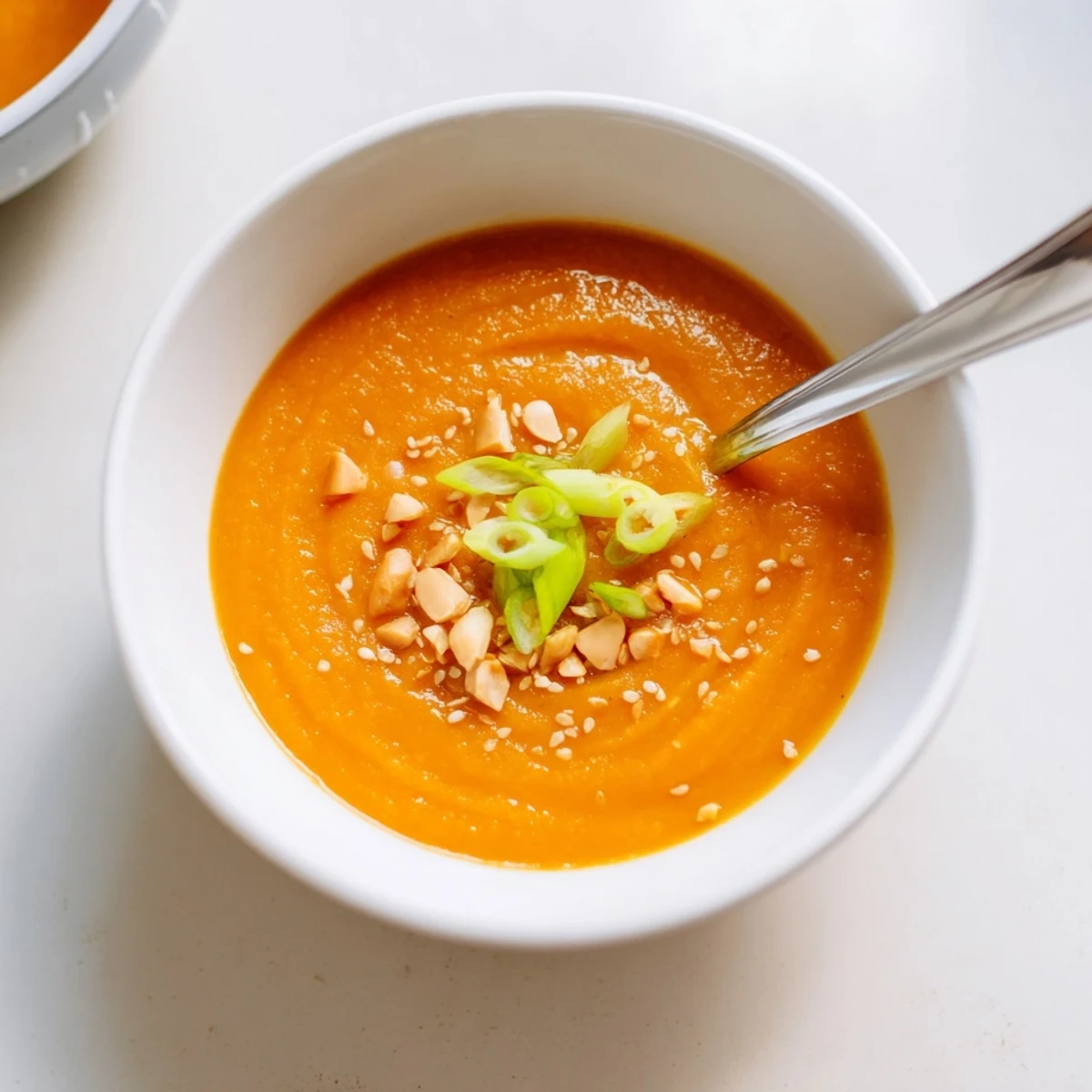
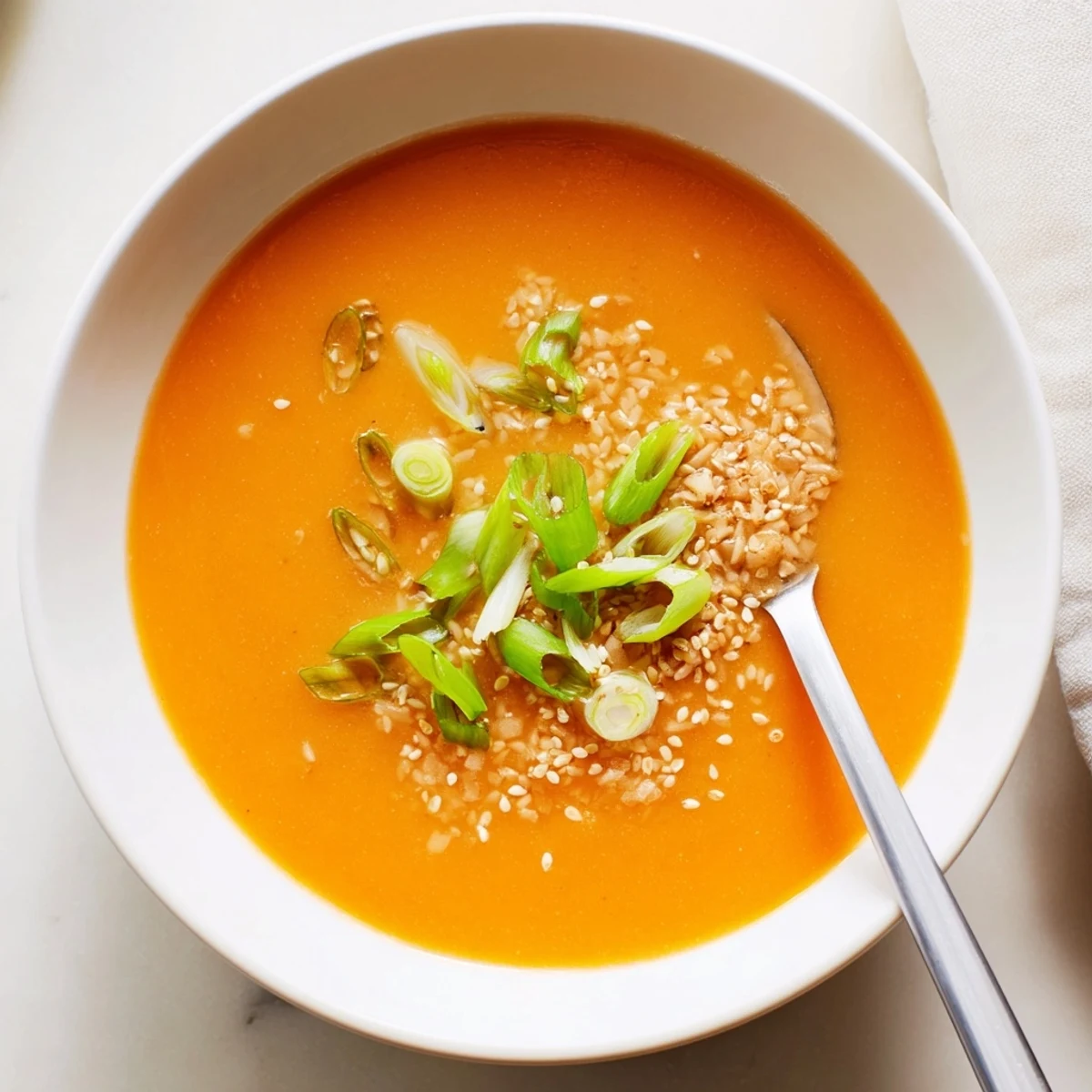
- Ladle into bowls and scatter sliced scallions and toasted sesame seeds over the top if you are feeling fancy, which you should be.
 Save to Pinterest
 The second time I made this for my mother she stood in the kitchen holding the bowl with both hands, silent for a long moment, and said it tasted like something she did not know she was hungry for.
Making It Your Own
A splash of coconut milk swirled in at the end transforms the texture into something velvet and almost dessert like, especially with a pinch of chili flakes floating on top. I once swapped half the carrots for roasted sweet potatoes during a particularly bleak November and the result was darker, earthier, and somehow even more comforting.
What to Drink With It
A chilled glass of Riesling alongside this soup is one of those pairings that sounds accidental but tastes intentional, the wines slight sweetness mirroring the carrots while its acidity cuts the richness. Short of that, a mug of hojicha or even just very hot water with lemon does the job without overthinking it.
Storing and Reheating
This soup keeps for four days in the refrigerator and actually improves by day two when the flavors settle into each other. For freezing, leave out the garnishes and portion into flat freezer bags that stack neatly.
- Reheat gently on the stove over low heat, never at a rolling boil, to protect the miso.
- A quarter cup of extra broth when reheating brings back the original consistency if it thickens overnight.
- Always taste for salt after reheating because chilling mutes flavors more than you expect.
 Save to Pinterest
 Keep this recipe in your back pocket for the days when cooking feels like a chore but eating well still matters. The soup does most of the talking, you just have to show up and stir.
Your Recipe Questions Answered
- → When should I add the miso?
-
Dissolve miso in a ladleful of hot soup off the heat and stir it back in. Avoid boiling after adding miso to preserve its delicate umami and beneficial enzymes.
- → Can I use a blender instead of an immersion blender?
-
Yes. Blend in batches in a standard blender, taking care not to overfill and to vent the lid slightly so steam can escape. Return to the pot and reheat gently if needed.
- → How can I make a creamier version?
-
Stir in a splash of coconut milk or a drizzle of neutral oil after pureeing for a richer mouthfeel. Silky texture also improves with longer blending for a finer puree.
- → What can I substitute for carrots?
-
Swap half the carrots for sweet potato or butternut squash for a deeper sweetness and velvety body. Adjust simmer time until pieces are very tender.
- → How should I store and reheat leftovers?
-
Cool and refrigerate in an airtight container for up to 3 days, or freeze up to 3 months. Reheat gently on low heat; avoid boiling after miso is added to maintain flavor integrity.
- → How do I adjust saltiness when using miso and soy?
-
Taste after adding dissolved miso and soy, then adjust with small pinches of salt or additional soy. Use tamari for a gluten-free option and to control salt levels.