
 Save to Pinterest
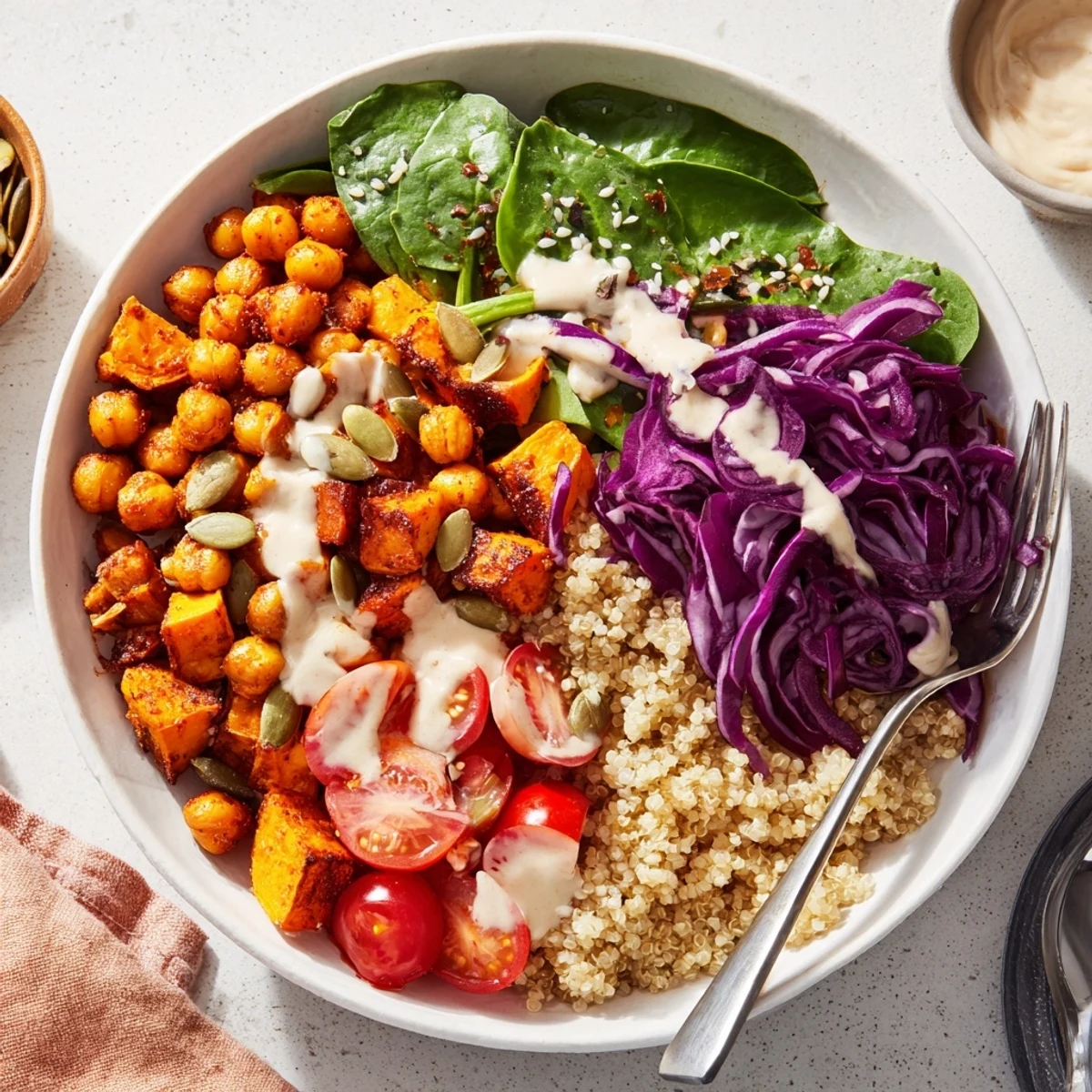
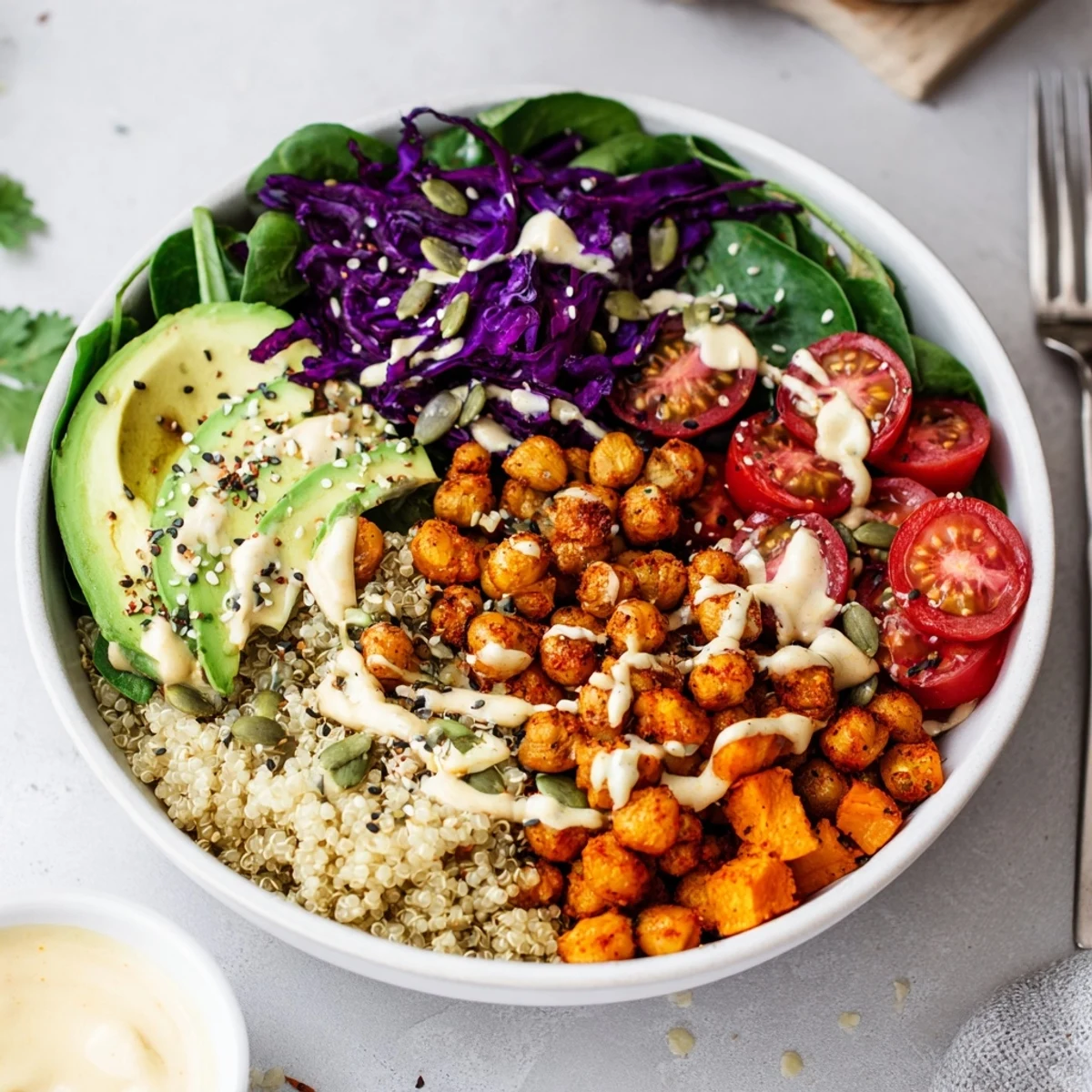
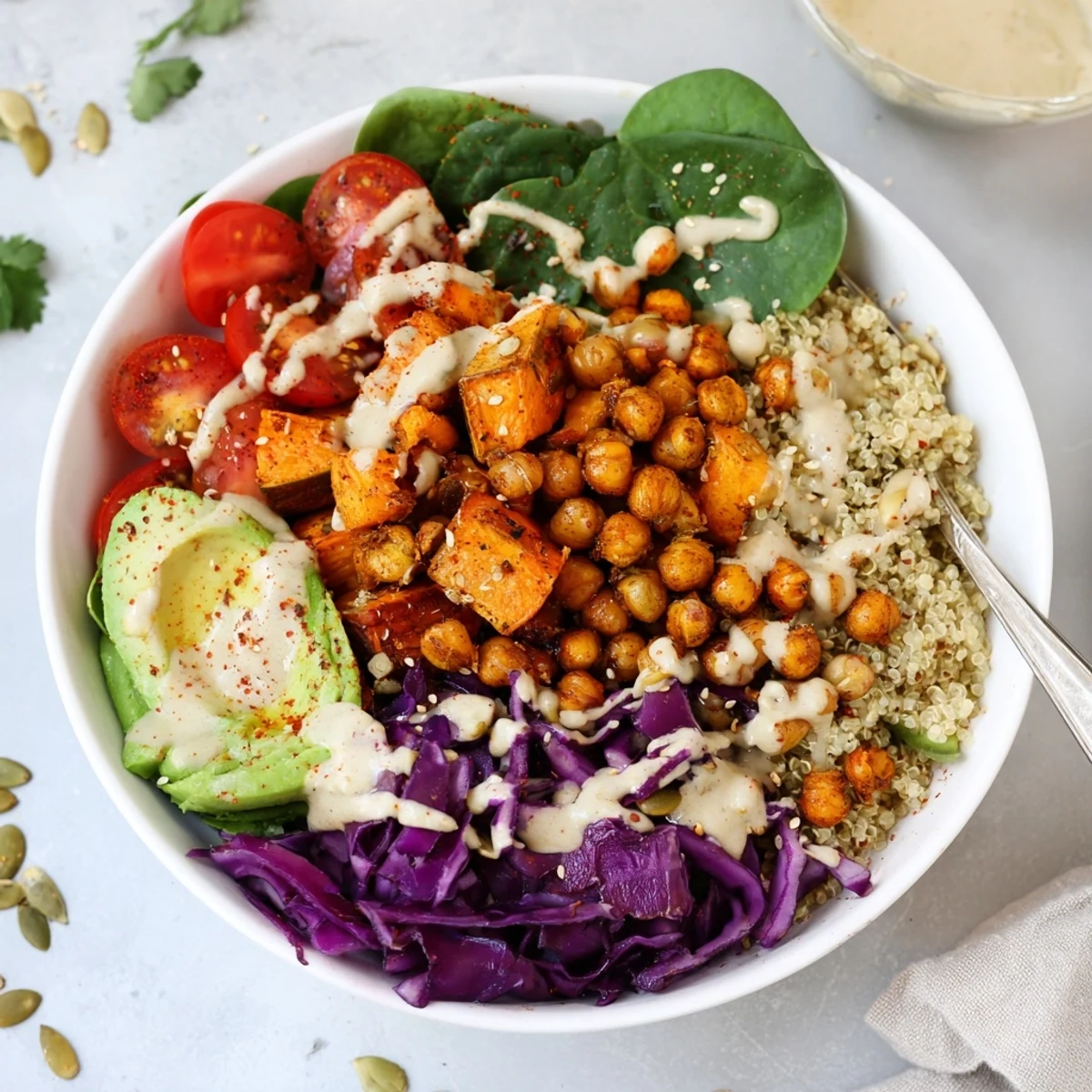
 This Buddha Bowl brings together a colorful mix of roasted sweet potatoes, crispy smoked paprika chickpeas, and fluffy quinoa over a bed of fresh spinach or kale.
Topped with crunchy red cabbage, juicy cherry tomatoes, and creamy avocado slices, every bite offers a balance of textures and flavors.
The star of the dish is the silky tahini dressing, whisked with garlic, lemon juice, and a touch of maple syrup for the perfect finish.
My kitchen counter looked like a painter's palette the afternoon I threw together my first Buddha bowl, bright orange sweet potato next to purple cabbage, glossy green avocado, and golden chickpeas. I had come home from the farmers market with a haul I had no plan for, and desperation turned into the best weeknight dinner I had made in months. That chaotic, colorful plate taught me that sometimes the most satisfying meals come from simply opening the fridge and trusting what you find.
I made a double batch of this for a friend who had just moved into a new apartment with nothing but a baking sheet and a borrowed whisk. We sat on the floor surrounded by moving boxes, bowls balanced on our knees, and she looked up at me mid bite and said this was the first meal that felt like home.
Ingredients
- Quinoa or brown rice (1 cup cooked): The sturdy, nutty base that holds everything together without stealing the spotlight from your toppings.
- Chickpeas (1 can, drained and rinsed): These become irresistibly crispy in the oven and deliver the protein that makes this a real meal.
- Olive oil (2 tbsp total): One tablespoon for the sweet potatoes and one for the chickpeas, because everything deserves a little richness before it hits the heat.
- Smoked paprika (1 tsp) and cumin (half tsp): This warm, smoky duo transforms plain chickpeas into the most craveable thing on the plate.
- Sweet potato (1 medium, peeled and cubed): Roasting brings out a caramelized sweetness that contrasts beautifully with the earthy grains and sharp dressing.
- Red cabbage (1 cup, thinly sliced): Adds a satisfying crunch and a burst of color that makes the whole bowl feel alive.
- Cherry tomatoes (1 cup, halved): Their juicy pop of acidity balances the creamy tahini and dense roasted vegetables.
- Avocado (1 medium, sliced): Creamy, cool, and rich, it pulls every contrasting texture and flavor into harmony.
- Baby spinach or kale (1 cup): A fresh, leafy bed that wilts slightly under the warm roasted vegetables.
- Tahini (3 tbsp): The deeply savory, nutty backbone of the dressing that coats everything in velvety flavor.
- Garlic (1 clove, minced): Just enough raw bite to give the dressing a little edge without overpowering it.
- Lemon juice (2 tbsp): Brightens the tahini and ties all the bowl's flavors together with a clean, sharp note.
- Water (2 tbsp or more): Thins the dressing to a pourable consistency, and you should add it gradually until it feels right.
- Maple syrup (1 tsp): A whisper of sweetness that rounds out the garlic and lemon in the dressing.
- Toasted sesame seeds, pumpkin seeds, fresh coriander (optional): These finishes add texture, toasty flavor, and a fresh herbal lift that make the bowl feel complete.
Instructions
- Roast the sweet potatoes:
- Preheat your oven to 200 degrees Celsius (400 degrees Fahrenheit), toss the cubed sweet potato with a tablespoon of olive oil, salt, and pepper, and spread the pieces in a single layer on a baking sheet. Roast for 20 to 25 minutes until the edges are golden and the insides yield easily when you press one with a fork.
- Crisp the chickpeas:
- Toss the drained chickpeas with the remaining tablespoon of olive oil, smoked paprika, cumin, salt, and pepper, then spread them on another section of the baking sheet or a second tray. Roast for about 15 minutes, shaking the pan once halfway through, until they are golden and audibly crunchy when you tap one with a spoon.
- Cook the grains:
- Prepare the quinoa or brown rice according to the package directions while the vegetables roast. Fluff with a fork and cover to keep warm until you are ready to assemble.
- Whisk the dressing:
- In a small bowl, combine the tahini, minced garlic, lemon juice, water, maple syrup, and salt, whisking until completely smooth and creamy. Add more water a splash at a time if the dressing seems too thick to drizzle, because it should flow like heavy cream.
- Prep the fresh vegetables:
- Slice the cabbage thin, halve the tomatoes, cut the avocado into pieces, and wash and dry the greens. Arrange everything in little piles on your cutting board so assembly feels effortless and calm.
- Build the bowls:
- Divide the warm grains among four bowls, then layer each with a handful of greens, roasted sweet potato, crispy chickpeas, shredded cabbage, tomatoes, and avocado slices. Try to keep the colors separated rather than piling them into a messy heap, because eating is visual first.
- Finish and serve:
- Drizzle the tahini dressing generously over each bowl and scatter on sesame seeds, pumpkin seeds, and torn coriander leaves if you are using them. Serve right away while the roasted elements are still warm and the contrast of temperatures makes every bite exciting.
 Save to Pinterest
 There was a Tuesday when the rain would not stop and I stood in the kitchen listening to it hit the window while I assembled four of these bowls for no occasion at all. Something about the rhythm of chopping and roasting while the world outside went gray made the colors on the counter feel like a small act of defiance.
Choosing and Swapping Your Grains
Quinoa cooks in about fifteen minutes and has a light, slightly fluffy texture that soaks up the tahini dressing beautifully. Brown rice takes longer but rewards you with a chewier, heartier bite that makes the bowl feel more substantial on cold evenings. I have also used farro when I wanted something nutty and Italian tasting, and millet when I needed a gentler, softer base for a friend who was avoiding both gluten and rice.
Making the Dressing Your Own
The tahini dressing as written is a reliable workhorse, but once you feel comfortable with it you should feel free to bend it toward whatever you are craving. A spoonful of miso paste stirred in gives it a deeply savory, almost brothy quality that is especially good in winter. A pinch of cayenne or a squirt of sriracha turns it into something bolder that stands up well if you decide to swap the chickpeas for spiced roasted tofu.
Serving and Storing Smartly
If you are meal prepping, keep the dressing in its own container and store the roasted elements separately from the fresh greens and avocado so nothing gets soggy overnight. The roasted sweet potatoes and chickpeas will hold their texture for about three days in the refrigerator, and the dressing lasts a full week. Reheat the roasted parts briefly in a skillet or oven before assembling to bring back that just cooked warmth.
- Let the chickpeas cool completely on the baking sheet before storing them, because trapping warm chickpeas in a container will soften the crunch you worked hard to build.
- Add the avocado right before eating so it stays bright green and creamy rather than browning and slipping around in the container.
- Always taste the dressing one more time before drizzling, because a pinch of salt or squeeze of lemon at the last second can quietly save the whole bowl.
 Save to Pinterest
 This bowl has a way of making you feel deeply nourished without requiring a single complicated technique or hard to find ingredient. Make it once and it will quietly become the meal you reach for whenever you need something vibrant, simple, and genuinely good.
Your Recipe Questions Answered
- → Can I prepare the components ahead of time?
-
Yes, you can roast the sweet potatoes and chickpeas a day in advance and store them in the refrigerator. Cook the grains ahead as well. When ready to serve, simply reheat the roasted components and assemble with fresh vegetables and dressing.
- → What can I substitute for tahini in the dressing?
-
You can replace tahini with hummus thinned with water, almond butter, or a simple olive oil and lemon vinaigrette. Each alternative will give a slightly different flavor profile while keeping the bowl delicious and well-dressed.
- → How do I store leftovers?
-
Store each component separately in airtight containers in the refrigerator for up to 3 days. Keep the dressing in a separate jar. Assemble fresh when ready to eat to maintain the best texture and avoid wilting the greens.
- → Can I serve this warm or cold?
-
Buddha Bowls are versatile and can be enjoyed either way. Serve warm right after roasting for a comforting meal, or chill the components for a refreshing cold bowl. The flavors develop beautifully at any temperature.
- → What other grains work well in a Buddha Bowl?
-
Beyond quinoa and brown rice, you can use farro, millet, couscous, or even cauliflower rice for a low-carb option. Each grain brings its own texture and nutritional profile to the bowl.
- → How can I add more protein to this bowl?
-
You can swap chickpeas for seasoned tofu, roasted lentils, or tempeh. Adding edamame, hemp seeds, or a sprinkle of nutritional yeast also boosts the protein content while keeping the dish plant-based and satisfying.