
 Save to Pinterest
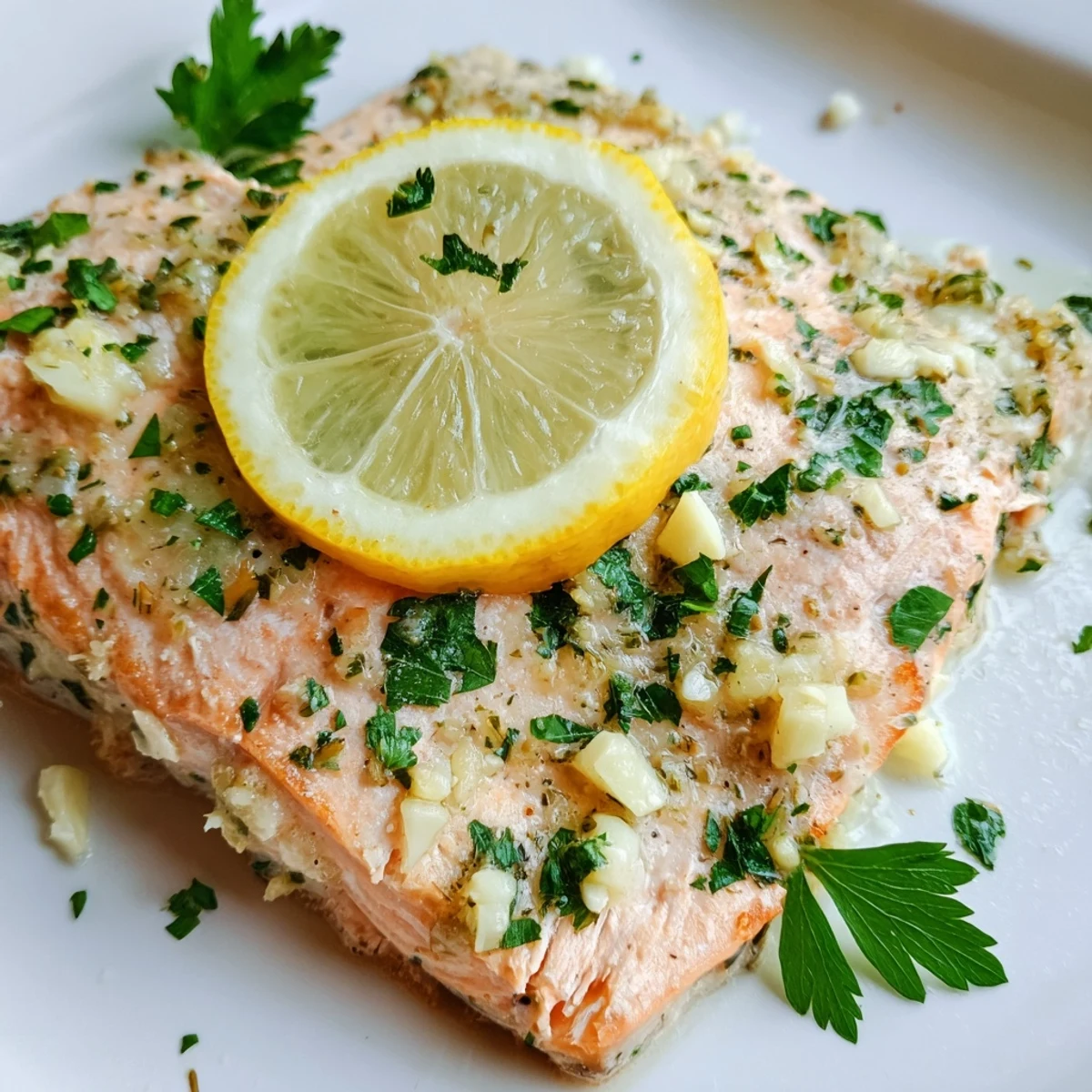
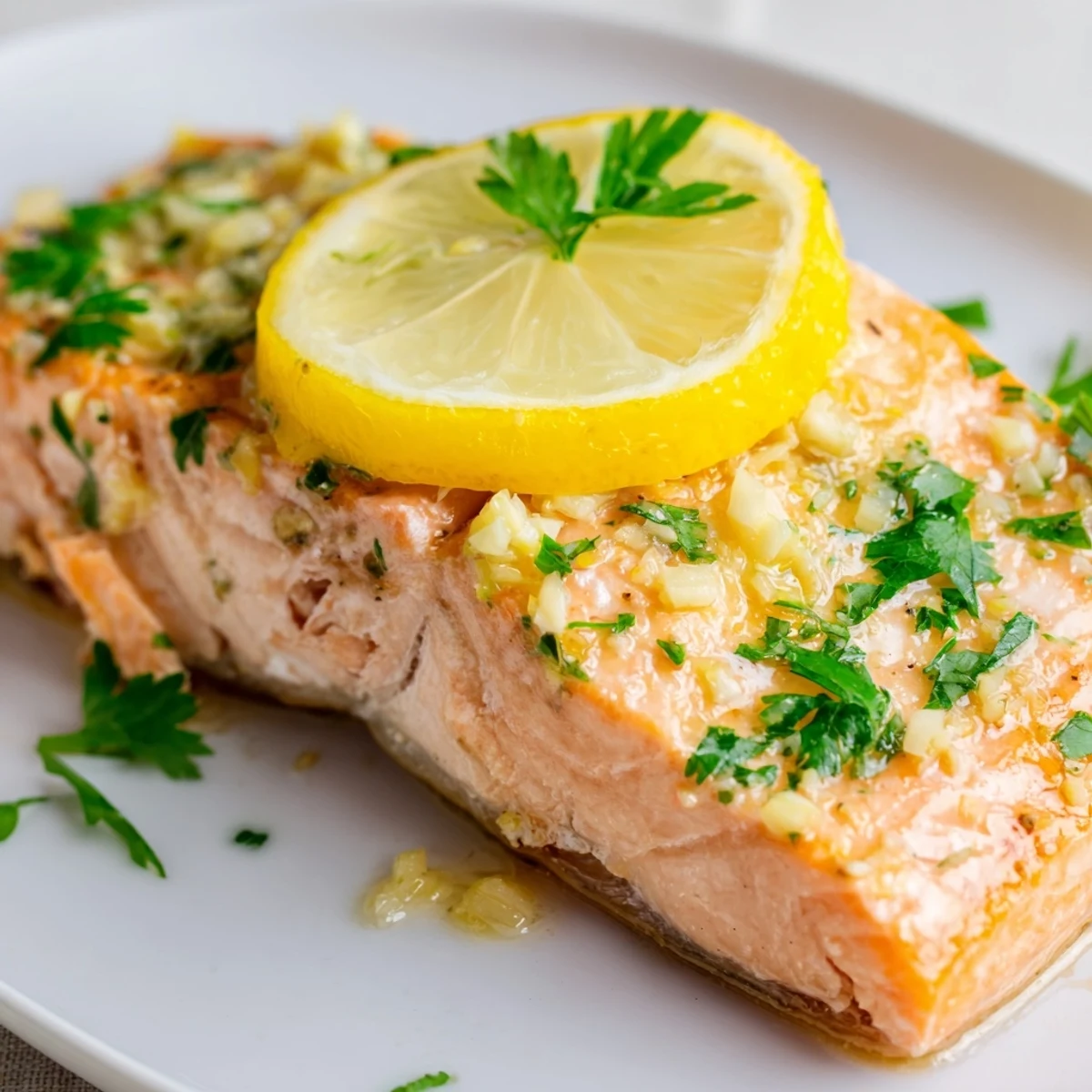
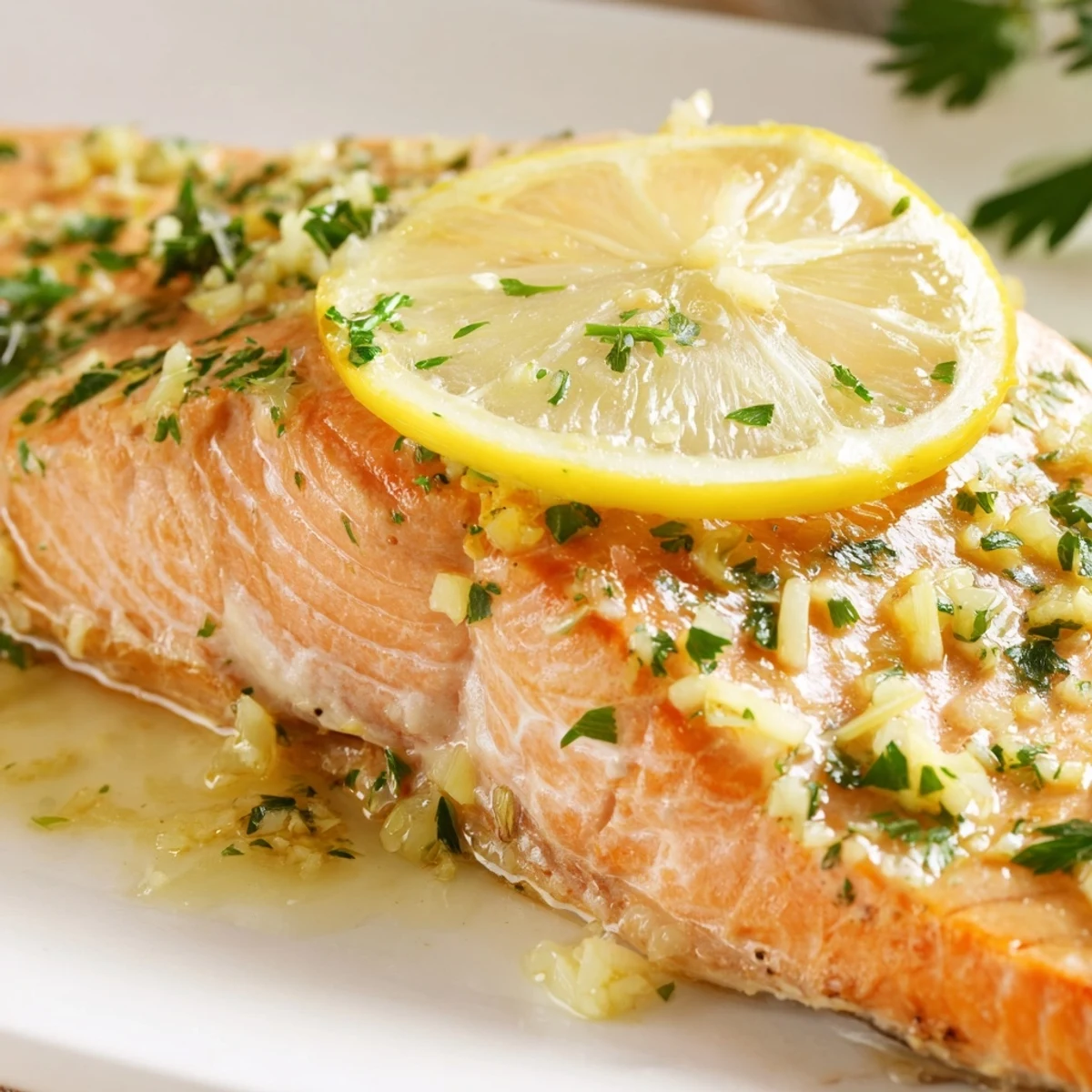
 This dish features salmon fillets baked with a rich blend of butter, fresh lemon juice, garlic, and herbs to create a delicious, moist entrée. The salmon is seasoned simply with salt and pepper, topped with lemon slices, then baked until flaky and tender. It's an easy, elegant option perfect for weeknight dinners or special occasions, complemented well by steamed vegetables or roasted sides. Variations include adding paprika or swapping parsley for dill.
There's something almost meditative about watching butter and garlic sizzle together in a small bowl, knowing that in just a few minutes, it's going to transform a simple salmon fillet into something restaurant-worthy. I stumbled onto this recipe one Tuesday evening when I had people coming over and absolutely no plan, only a beautiful piece of salmon and some lemon wedges in my fridge. What started as desperation became my go-to, and now I make it at least twice a month because it never disappoints.
My neighbor Sarah came over one Friday night when I made this, and she kept asking if I'd brined the salmon or done something special. When I told her it was just butter, garlic, and lemon, she looked genuinely shocked. That's when I realized this recipe's real magic—it tastes like you spent hours fussing over it, when really you spent ten minutes prepping.
Ingredients
- Salmon fillets (4, about 6 oz each): Look for fillets that feel firm and smell fresh, with a slight ocean scent, not fishy. Skin-on keeps things moister, but skinless works beautifully too.
- Unsalted butter (3 tbsp, melted): This is where the richness comes from, so use real butter—it makes a noticeable difference in flavor and creates that silky sauce.
- Garlic cloves (3, minced): Fresh garlic is essential here; it perfumes the whole dish and becomes mellow and sweet as it bakes.
- Fresh lemon juice and zest (2 tbsp juice, 1 tsp zest): The acid brightens everything and keeps the salmon from tasting heavy, so don't skip it or substitute bottled juice.
- Fresh parsley (1 tbsp, chopped): A handful of fresh herbs lifts the whole dish; dried parsley won't give you the same color or freshness.
- Salt and black pepper (1/2 tsp and 1/4 tsp): Taste as you go—you might like a bit more depending on your palate and the salmon's natural saltiness.
- Lemon slices (for serving): These aren't just decoration; they add a subtle brightness and look elegant on the plate.
Instructions
- Get your oven ready:
- Crank it to 400°F and line a baking sheet with parchment paper—this prevents sticking and makes cleanup a breeze. Your sheet should be hot enough that the salmon starts cooking the moment it hits the pan.
- Arrange the salmon:
- Place fillets skin-side down if you've got skin on, which helps keep them moist. Spread them out so they're not crowded; they should have a little breathing room.
- Make your butter sauce:
- Combine the melted butter, minced garlic, lemon juice, zest, and parsley in a small bowl and give it a gentle stir. The mixture should be fragrant and slightly emulsified looking—you're creating a sauce that will cling to the fish.
- Coat the salmon:
- Spoon the butter mixture generously over each fillet, making sure to get some of that garlicky goodness on every piece. If you have a pastry brush, use it; if not, a spoon works just fine.
- Optional but nice:
- Top each fillet with a paper-thin lemon slice for color and extra brightness. This step is purely visual, but it does add flavor.
- Bake until it's perfect:
- Pop it in the oven for 12 to 15 minutes—the salmon is done when it flakes easily with a fork and looks opaque in the center. A meat thermometer should read 145°F, but honestly, visual cues work great if you trust your instincts.
- Finish and serve:
- Pull it from the oven, scatter some fresh parsley on top if you want extra color, and serve immediately while the butter is still warm and glossy. The residual heat keeps everything perfect for a few minutes, so you have a little grace period.
 Save to Pinterest
 The first time I served this to my family, my dad asked for the recipe because he couldn't believe how restaurant-quality it tasted. There's something deeply satisfying about making something this elegant while barely breaking a sweat, and it's become the dish I turn to when I want to feel like I'm showing up for the people I cook for.
Timing and Temperature Matter
Salmon keeps cooking after it comes out of the oven thanks to carryover heat, so pulling it out when it looks just slightly underdone in the very center is actually the secret to keeping it moist. I used to bake mine until it looked fully cooked, and I'd end up with something dry that no amount of butter could save. Now I fish it out a minute early, and the difference is night and day.
Building Your Plate
This salmon doesn't need much—a simple green salad, some roasted vegetables, or even just steamed asparagus are all it asks for. The butter sauce is rich enough that heavy sides would overwhelm it, so I lean toward bright, slightly acidic components that echo the lemon.
Making It Your Own
Once you nail the basic formula, this recipe opens up beautifully to improvisation. I've added everything from fresh dill to a pinch of smoked paprika, and it's handled every experiment gracefully. The structure is so sound that it gives you plenty of room to play without risking the dish.
- Try swapping parsley for dill or chives if you're feeling herbaceous.
- A tiny pinch of red pepper flakes adds a subtle heat that complements the richness.
- If you have leftovers, flake the salmon over a salad or tuck it into a wrap for lunch the next day.
 Save to Pinterest
 This recipe has become proof to me that the simplest dishes, made with real ingredients and a little attention, are often the ones that matter most. It's become a reliable friend in my kitchen, the kind of recipe you reach for when you want to feel capable and generous all at once.
Your Recipe Questions Answered
- → What is the best type of salmon to use?
-
Fresh, skin-on or skinless salmon fillets work well. Skin-on helps retain moisture during baking.
- → Can I prepare the salmon ahead of time?
-
Yes, marinate the salmon in the lemon garlic butter mixture and refrigerate for up to 2 hours before baking.
- → How do I know when the salmon is done?
-
Salmon is ready when it flakes easily with a fork and turns opaque, usually after 12–15 minutes at 400°F.
- → Can I add other herbs or spices?
-
Absolutely, parsley can be substituted with dill or chives, and paprika or chili flakes enhance flavor if desired.
- → What are good side dishes to serve with it?
-
Steamed vegetables, rice, or roasted potatoes complement the dish nicely and keep the meal balanced.