
 Save to Pinterest
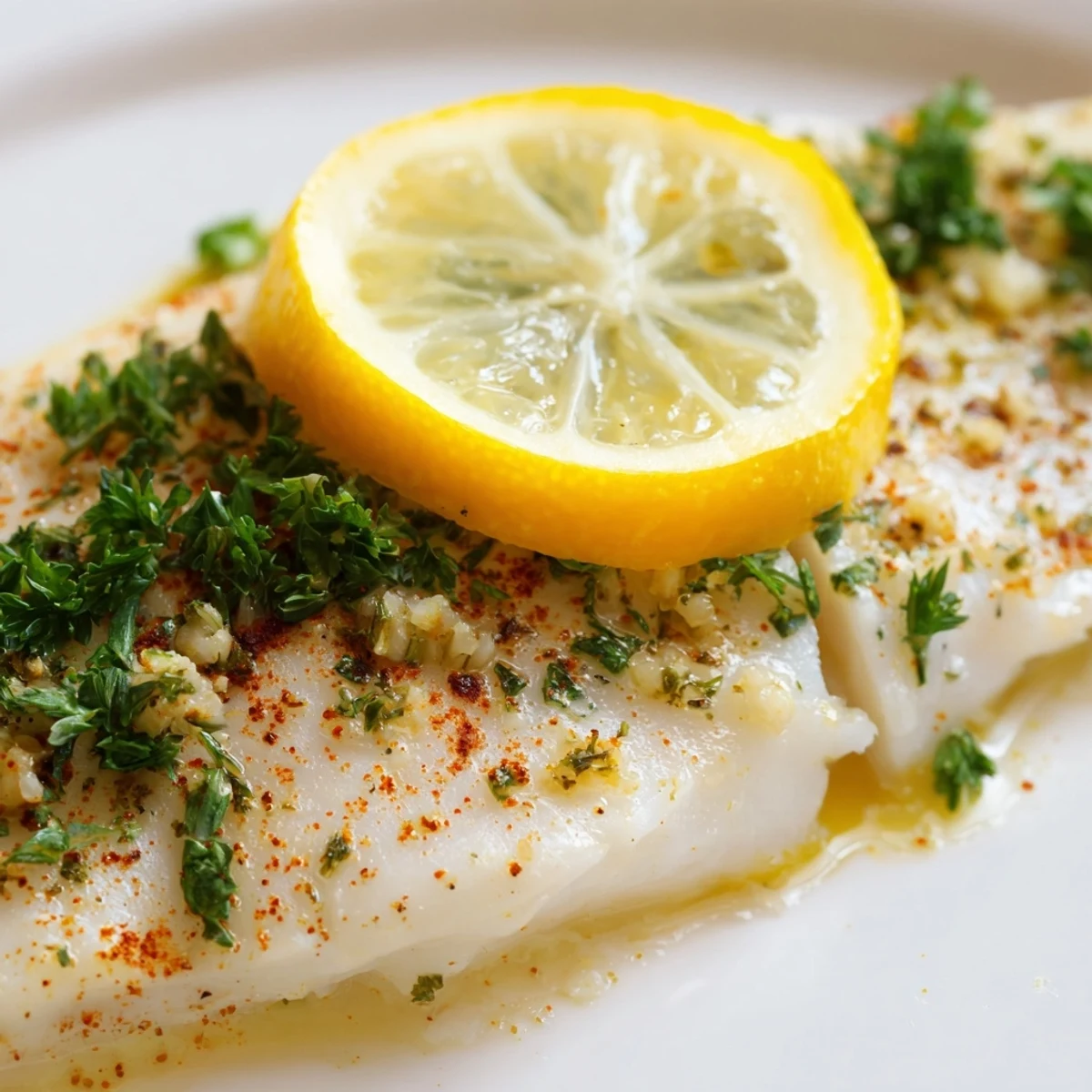
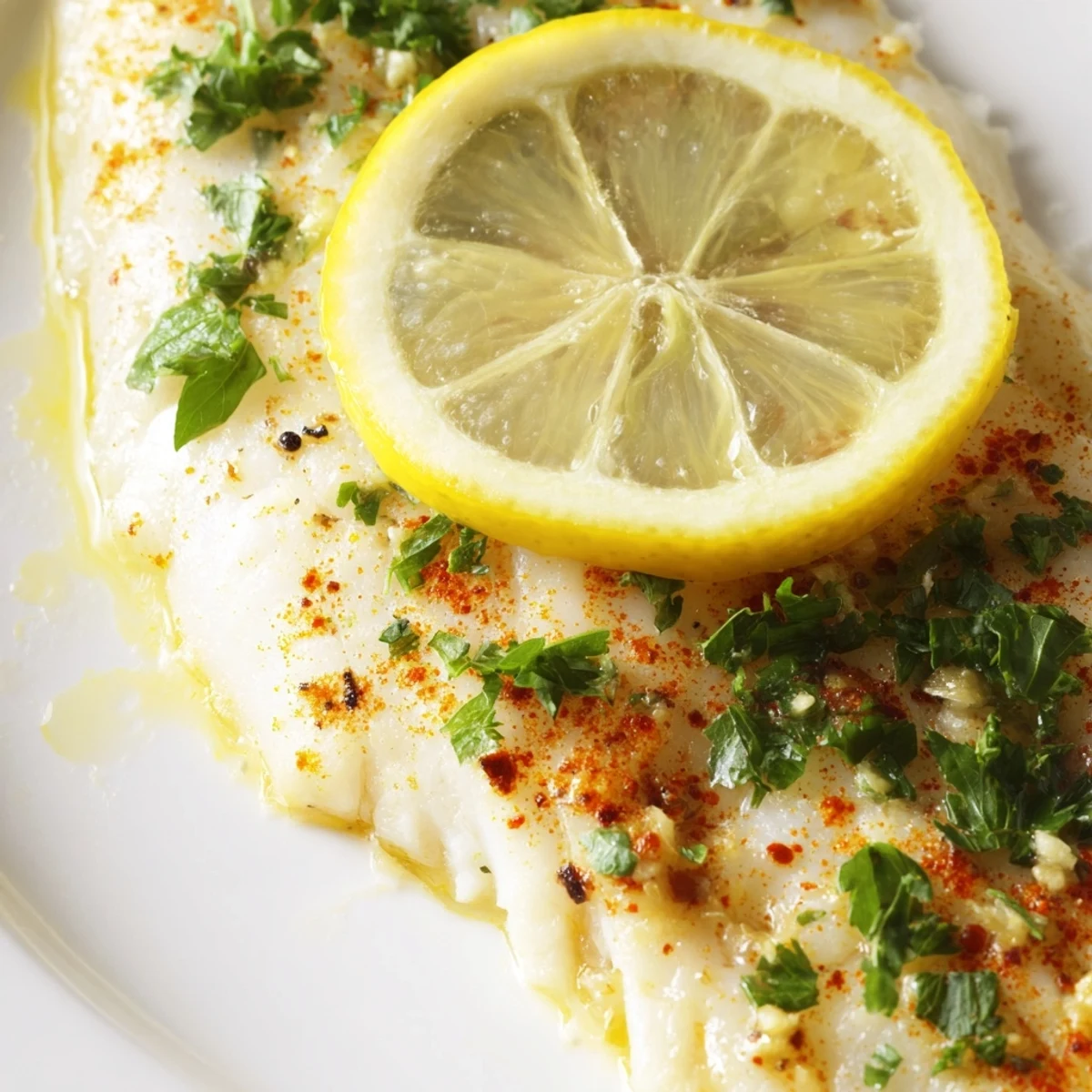
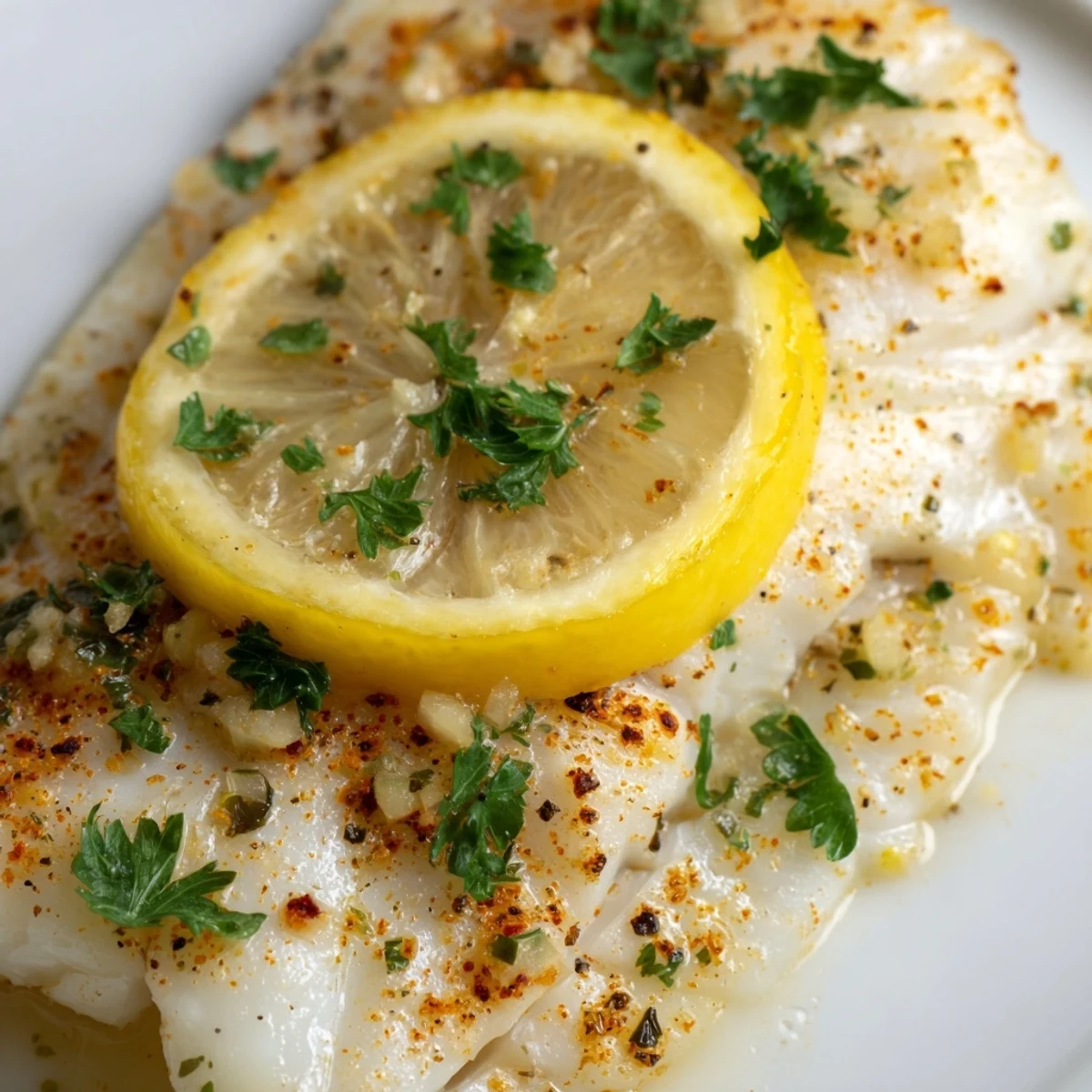
 This dish features tender white fish fillets gently baked to perfection with fresh garlic, parsley, and zesty lemon slices. Olive oil adds a subtle richness while paprika and black pepper enhance the natural flavors. Easy to prepare, it yields a healthy, satisfying main dish ideal for pescatarian and gluten-free preferences. Versatile accompaniments like steamed vegetables or rice complement the vibrant herb and citrus profile. Baking ensures moist, flaky fish in just 20 minutes.
There's something almost meditative about watching fish transform in the oven—no fussing, no complicated techniques, just the gentle heat doing its work while you step away. I discovered this version years ago when I needed dinner ready in thirty minutes flat, and what started as a weeknight scramble became something I make whenever I want to feel like I'm taking care of myself. The simplicity of it stuck with me, probably because lemon and garlic need nothing else to shine. Now it's the recipe I turn to when I want proof that the best meals don't require hours of labor.
I made this for my partner on a Tuesday night during one of those stretches where work had been relentless for both of us, and neither of us wanted takeout again. The kitchen filled with the smell of lemon and garlic, and somehow that small effort—laying lemon slices on fillets like they were precious—made the whole evening feel intentional. We sat at the table without phones, and that's when I realized this recipe had quietly become our reset button.
Ingredients
- White fish fillets (cod, haddock, or tilapia): Choose thick fillets if you can—they're more forgiving and stay moist longer, and roughly 150g per person keeps portions generous without being heavy.
- Lemon: Slice it thin so it softens in the oven and becomes almost candied; the flavor infuses the fish rather than just sitting on top.
- Fresh parsley: Don't skip this—dried herbs turn bitter when baked, and the fresh green matters both for flavor and the moment of brightness when you serve.
- Garlic: Minced fine so it doesn't overpower; it mellows beautifully in the oven heat.
- Olive oil: Good quality makes a difference here since it's doing the seasoning work alongside the heat.
- Salt, pepper, and paprika: Paprika is optional but adds a subtle warmth that makes people ask what the secret ingredient is.
Instructions
- Get your oven ready:
- Preheat to 200°C and line your baking tray with parchment paper—this is your insurance policy against sticking and makes cleanup almost effortless.
- Dry the fillets:
- Pat them thoroughly with paper towels; moisture is the enemy of even cooking, so don't skip this step even though it feels unnecessary. You're creating the right surface for the seasonings to cling.
- Oil and season:
- Drizzle olive oil over each fillet and use your fingers to coat evenly, then sprinkle salt, pepper, and paprika on both sides. This is where you taste with your hands—season generously but not so much you'd hesitate to eat it straight.
- Build the flavor base:
- Scatter minced garlic and chopped parsley over the fillets, then lay lemon slices on top like you're arranging a small garden. The lemon will soften and release its juice as everything bakes together.
- Bake and trust the process:
- Slide the tray into the oven for 15 to 20 minutes—check at the 15-minute mark by gently pressing the thickest part with a fork. If it flakes and the flesh is opaque throughout, you're done. If it's still translucent, give it another few minutes, but don't overbake or the magic disappears.
- Finish and serve:
- Remove from the oven and let it rest for a minute while you grab a plate. Garnish with extra parsley and lemon wedges if the mood strikes—sometimes the simplest finish is the best one.
 Save to Pinterest
 My friend came over stressed about hosting dinner for her in-laws, and I quietly suggested this recipe while she was spiraling about what to make. Twenty minutes later, everyone at her table was asking how she'd learned to cook fish like this, and I loved watching her realize that restraint and good ingredients were all she needed to impress. That's when I understood why I keep making this—it gives you back the confidence that simple, done well, is always enough.
Choosing Your Fish
Cod and haddock are classic choices because they're mild and flaky, perfect for letting lemon shine without competing flavors. Tilapia is budget-friendly and forgiving if you're still building your fish confidence, though it has less character than white fish with a bit more flavor. Ask your fishmonger what came in fresh that day—sometimes the best choice is whatever looks blindingly white and smells like the ocean, not fishy. If you're feeling adventurous, halibut or sea bass work beautifully and have a slightly firmer texture that handles the oven with grace.
Variations That Still Feel Simple
Once you've made this a few times and it feels natural, the recipe becomes a framework for whatever's in your kitchen or mood. A splash of white wine poured onto the tray before baking adds subtle depth and creates a light pan sauce you can drizzle over the fish when serving. Swap parsley for dill if you're craving something more Scandinavian, or use basil if your kitchen smells like summer and you want to lean into that. I've added thin slices of tomato under the fish, scattered capers across the top, or even tucked a few anchovy fillets underneath the lemon when I wanted to feel fancy—the fish doesn't judge, and neither should you.
What to Serve Alongside
Steamed vegetables are the quiet MVP here—broccoli, green beans, or asparagus don't demand attention but make the plate feel complete and intentional. Rice or quinoa soaks up any pan juices beautifully, though honestly, a crisp salad with sharp vinaigrette is my favorite because it echoes the brightness of the lemon and doesn't make you feel heavy afterward.
- New potatoes roasted with their skins still on add earthiness that lets the fish stay the star.
- A simple green salad with lemon vinaigrette essentially finishes the story the fish already started telling.
- If you're feeling indulgent, serve with crusty bread to soak up every last bit of herbed oil.
 Save to Pinterest
 This recipe taught me that feeding people well doesn't require stress or complicated moves, just respect for good ingredients and the patience to let them be themselves. Make it tonight and notice how the kitchen smells like hope tastes.
Your Recipe Questions Answered
- → What type of fish is best for baking?
-
White fish such as cod, haddock, or tilapia work best due to their mild flavor and flaky texture when baked.
- → How can I ensure the fish stays moist?
-
Drizzling olive oil and covering the fillets with lemon slices helps retain moisture and adds flavor during baking.
- → Can I substitute the herbs used?
-
Yes, parsley can be replaced with dill or basil to introduce a different herbal aroma without overpowering the fish.
- → Is it necessary to preheat the oven?
-
Preheating to 200°C (400°F) ensures even cooking and a nicely baked texture on the fish fillets.
- → What side dishes pair well with this fish?
-
Steamed vegetables, rice, or a fresh salad complement the light and fresh flavors of the baked fish perfectly.
- → Can this dish cater to dietary restrictions?
-
Yes, it’s suitable for pescatarian and gluten-free diets, and using oil instead of butter keeps it dairy-free.