
 Save to Pinterest
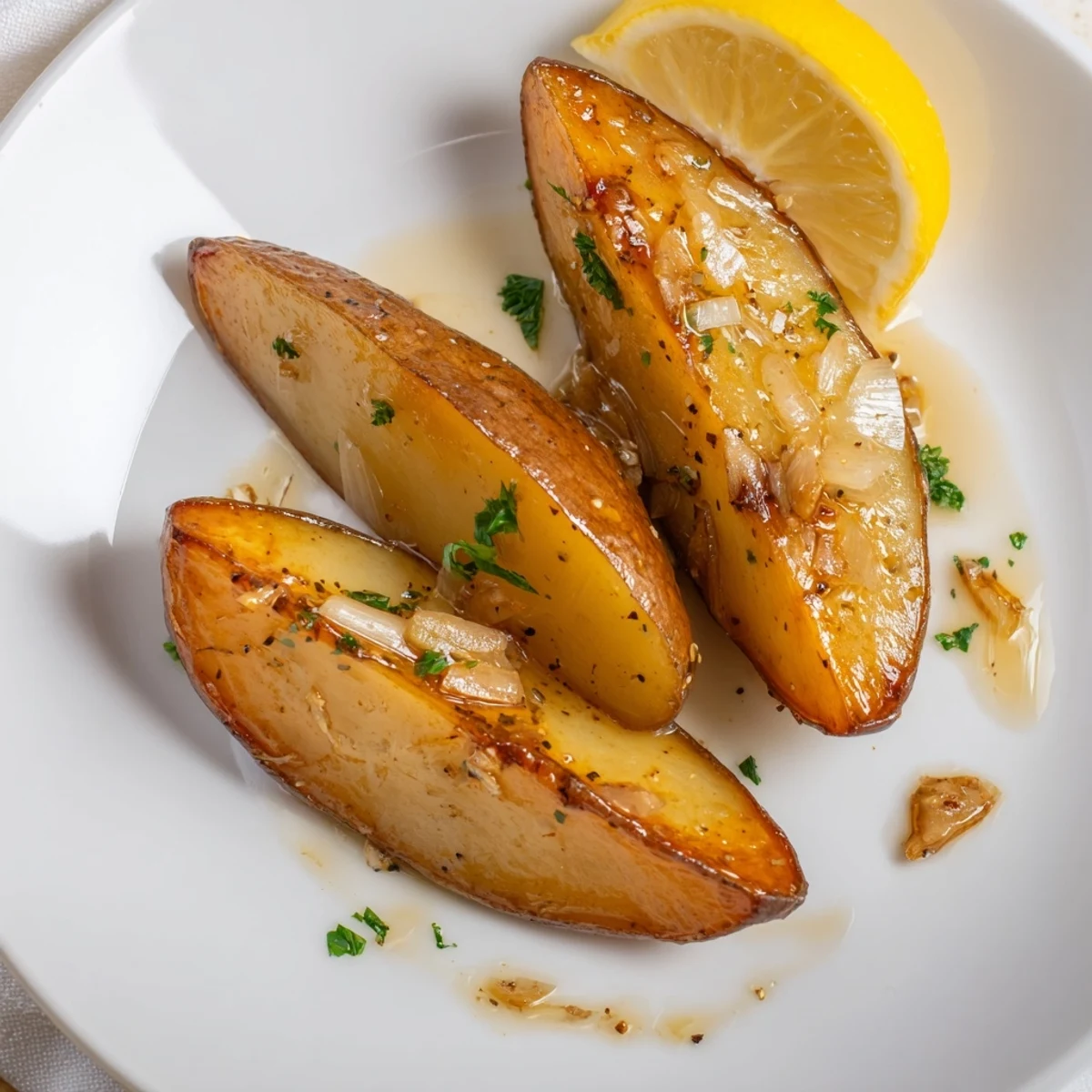
 These oven-roasted Greek lemon potatoes are tossed in a bright marinade of olive oil, fresh lemon juice, garlic, oregano and vegetable broth. Roast at 400°F until juices reduce, then increase to 425°F and finish until edges crisp and centers are tender. Spoon pan juices during cooking, finish with parsley and optional lemon wedges or crumbled feta for extra tang.
Sunlight was pouring through the kitchen window the first time I decided to try making authentic Greek lemon potatoes – I remember my hands slick with oil and citrus, the aroma of crushed garlic mingling with fresh-cut lemons. There wasn’t a grand occasion, just a regular afternoon that suddenly crackled with curiosity. Poking around for Mediterranean inspiration, I stumbled on the secret: a generous bath of tangy broth and a slow roast. My kitchen never smelled the same after that, and I don’t think I’ve stopped craving them since.
The last time I made these for friends, the chatter stopped as soon as the pans hit the table—someone even asked if I’d gone to Athens for takeout. The crispy golden edges made for a brief squabble over the last wedge, and I just grinned behind my glass of wine, knowing it was all in the pan juices.
Ingredients
- Yukon Gold potatoes: Choose waxy potatoes since they keep a creamy center after roasting; cut them into thick wedges so they crisp without drying out.
- Extra virgin olive oil: It’s worth using your best olive oil here—the richness amplifies each ingredient and helps the potatoes brown beautifully.
- Fresh lemon juice: Use real lemons, not bottled; squeezing them by hand makes all the difference in punch and brightness.
- Garlic: Mince freshly peeled cloves for the best robust flavor—powder just won’t deliver.
- Vegetable broth: Adds moisture and depth but keep it light so lemon and herbs shine; a homemade broth is gold here, but store-bought works well too.
- Dried oregano: The earthiness of oregano is classic; I rub it gently between my fingers to release the oils before adding.
- Salt and black pepper: Simple but essential—season boldly so nothing tastes flat after roasting.
- Fresh parsley: Toss on at the end for a shot of color and grassy freshness that evens out all the richness.
- Lemon wedges (optional): Serve on the side for anyone who wants an extra citrus kick—I love watching people squeeze them over just before a bite.
Instructions
- Set the stage:
- Preheat your oven to 400 °F and let the warmth fill the kitchen—it’s the promise of good things to come.
- Mix the marinade:
- Whisk olive oil, lemon juice, garlic, broth, oregano, salt, and pepper in a big baking dish, letting the scent leap up as you stir.
- Coat the potatoes:
- Add your potato wedges and tumble them around with your hands until they’re slick and glossy on all sides.
- Start roasting:
- Spread the potatoes in a single layer and slide into the oven; after 40 minutes, ladle some pan juices over them for extra flavor and color.
- Finish with heat:
- Bump the oven up to 425 °F, turn the potatoes gently, and roast for another 30–35 minutes till their edges go gold and crispy.
- Garnish and serve:
- Sprinkle with chopped parsley, toss on extra lemon wedges if you like, and serve while they’re hot and fragrant.
 Save to Pinterest
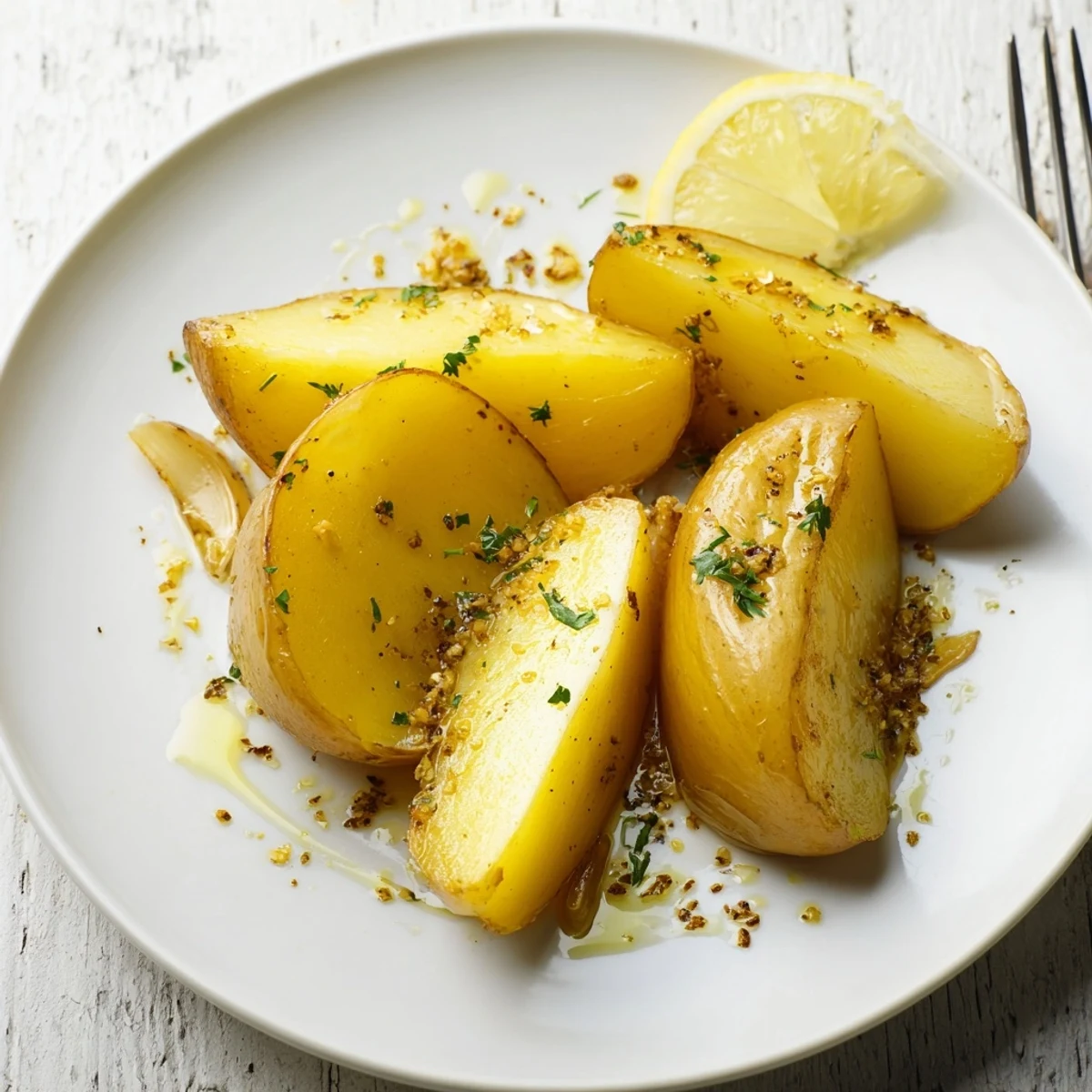
 One night, I made these after a long, cold walk with my partner; we ate them so slowly, savoring the lemony warmth and talking late into the evening until only parsley flecks were left on the plate. Sometimes a good potato is all it takes to turn a day around.
Getting the Texture Just Right
I’ve found the trick is in the cut—too thin and they dry out fast, too thick and it’s all soft with no crunch. Leaving a little space between potato wedges in the pan helps them brown instead of steam, so resist the urge to crowd everything in.
Pairing Possibilities You’ll Love
These potatoes fit right alongside roast chicken, grilled veggies, or lamb, but I’ve eaten them completely solo and never missed a thing. Even with just a fresh salad and some bread, they somehow make the table feel more like a feast.
What To Do With Leftovers
Leftover Greek potatoes are a happy surprise the next day—I’ve tossed them in olive oil and slipped them under the broiler to re-crisp or chopped them into a breakfast hash with herbs. I find their lemony, savory punch holds up better than most sides.
- Store ahead in a glass container for best flavor reheat.
- If you want to freeze them let them cool first and wrap tightly.
- Always reheat uncovered so they don’t steam and lose their magic.
 Save to Pinterest
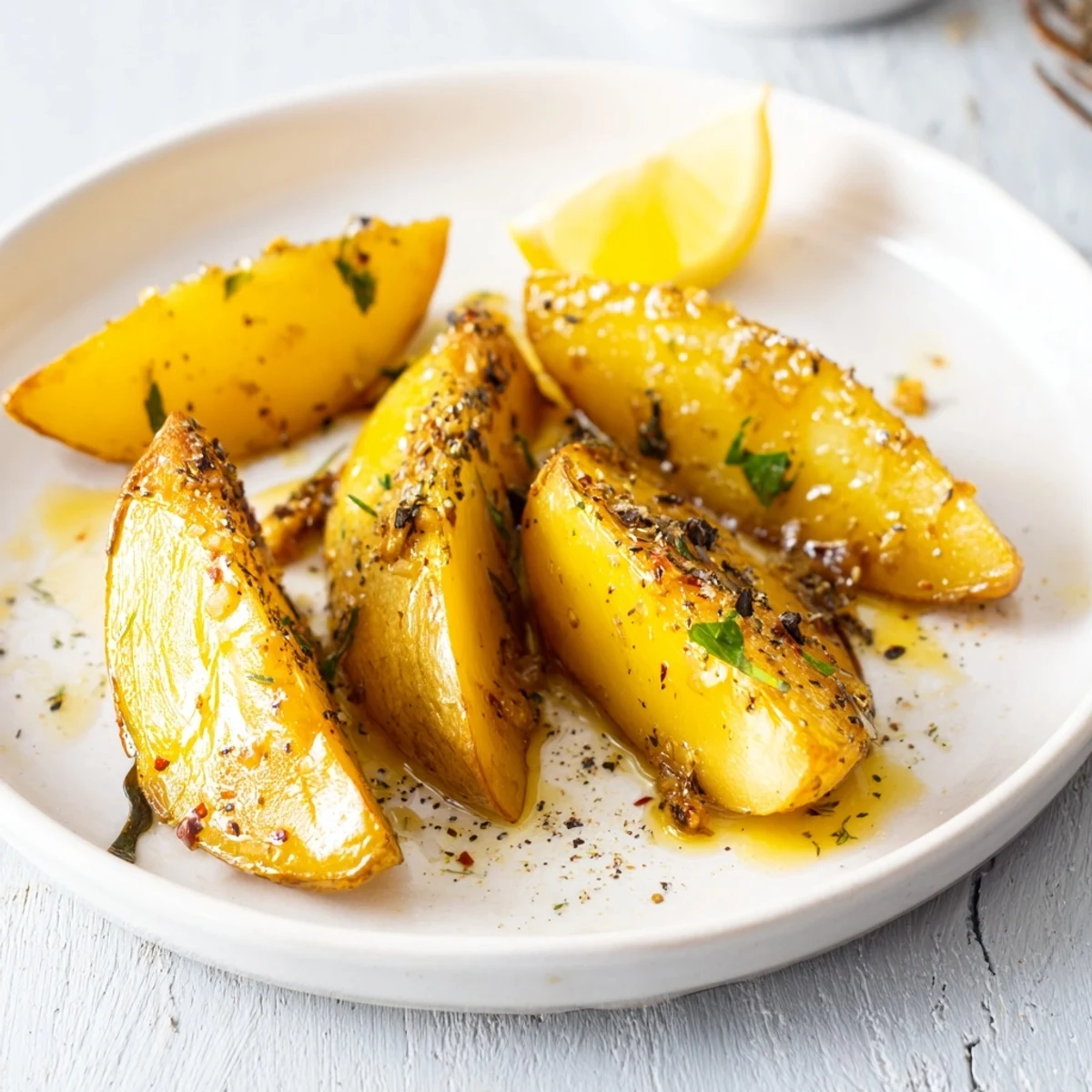
 Serve these Greek lemon potatoes with anything—or nothing at all—and let their punchy flavors remind you how satisfying simple food can be. There’s a good chance they’ll steal the spotlight from every main dish on the table.
Your Recipe Questions Answered
- → How do I get extra-crispy edges?
-
Arrange wedges in a single layer, turn them halfway, and let most of the liquid absorb before the final high-heat stage. Increase the oven to 425°F and broil for 2–3 minutes if needed. Drying the potato surface and using enough olive oil help create a golden, crisp exterior.
- → Which potato variety works best?
-
Yukon Gold offers a creamy interior with good browning, making it ideal for this lemoned preparation. Russets crisp up well but can be fluffier inside; waxy reds hold their shape but won't brown as deeply.
- → Can I swap the vegetable broth for something else?
-
Yes. Chicken broth gives a richer savory note if not following a vegetarian plan. For a lighter finish, use low-sodium broth or a bit more lemon and water. Always taste the marinade and adjust salt accordingly.
- → How can I prevent soggy potatoes?
-
Cut uniform wedges, avoid overcrowding the baking dish, and roast uncovered so steam can escape. Spoon pan juices during cooking so the potatoes caramelize rather than sit in liquid; finishing at higher heat helps evaporate excess moisture.
- → Can these be made ahead and reheated?
-
Yes. Roast until just tender, cool, then refrigerate. Reheat on a baking sheet in a hot oven to restore crispness, or re-crisp under the broiler for a few minutes. Adding fresh parsley and lemon before serving brightens the flavor.
- → What dishes pair well with them?
-
They pair beautifully with roast lamb, grilled chicken, or a simple leafy salad. Serve alongside charred vegetables or a dollop of tangy yogurt or crumbled feta to complement the lemon and oregano notes.