
 Save to Pinterest
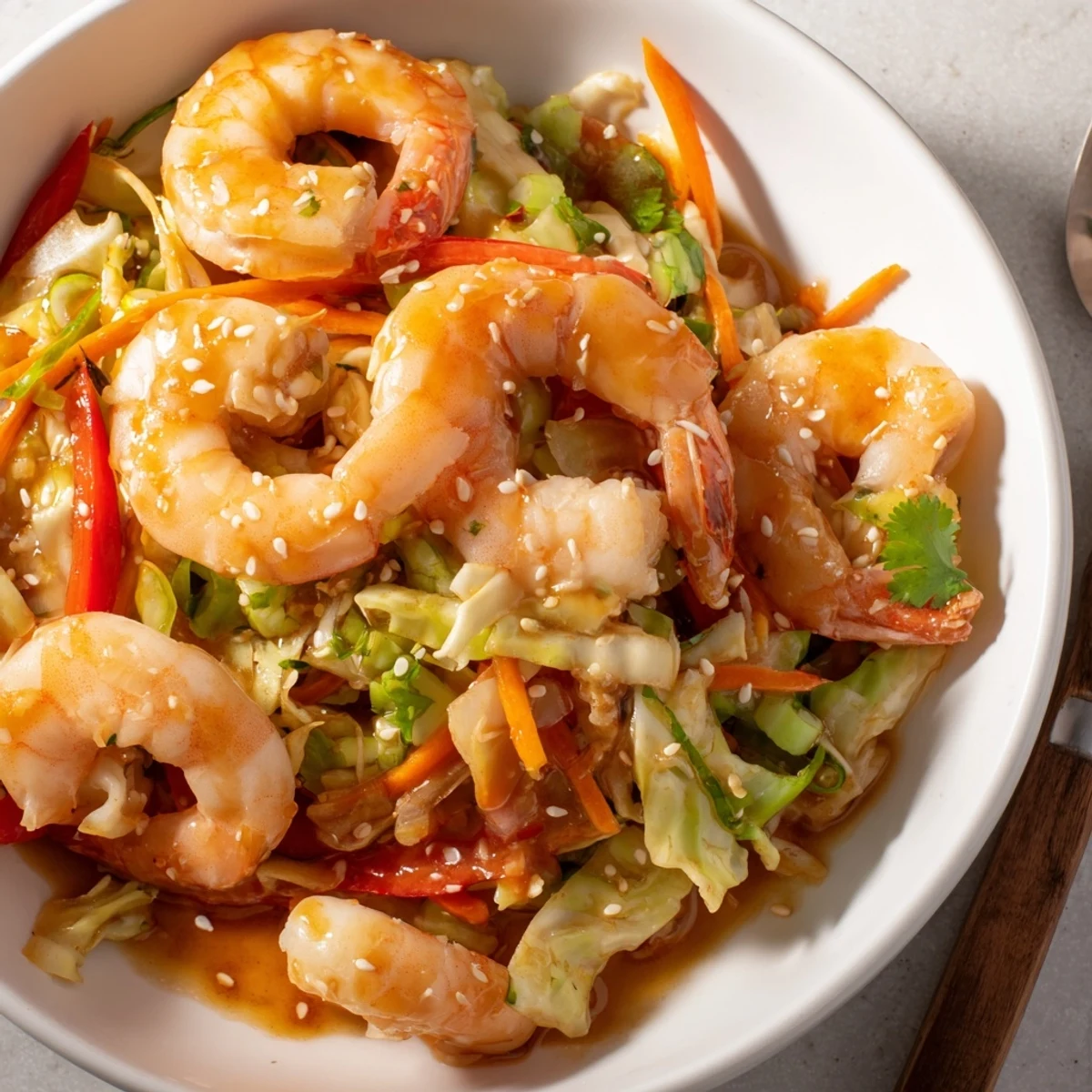
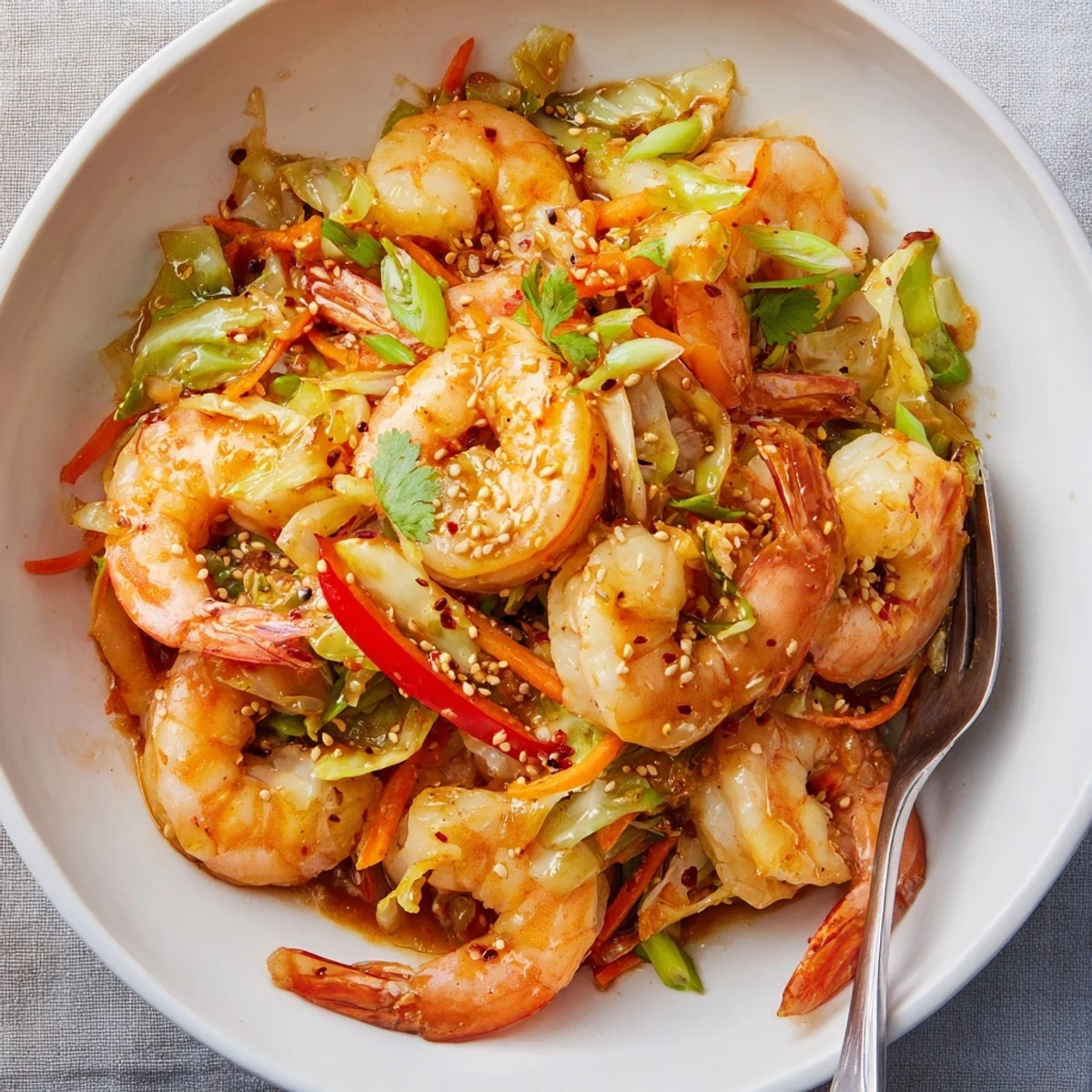
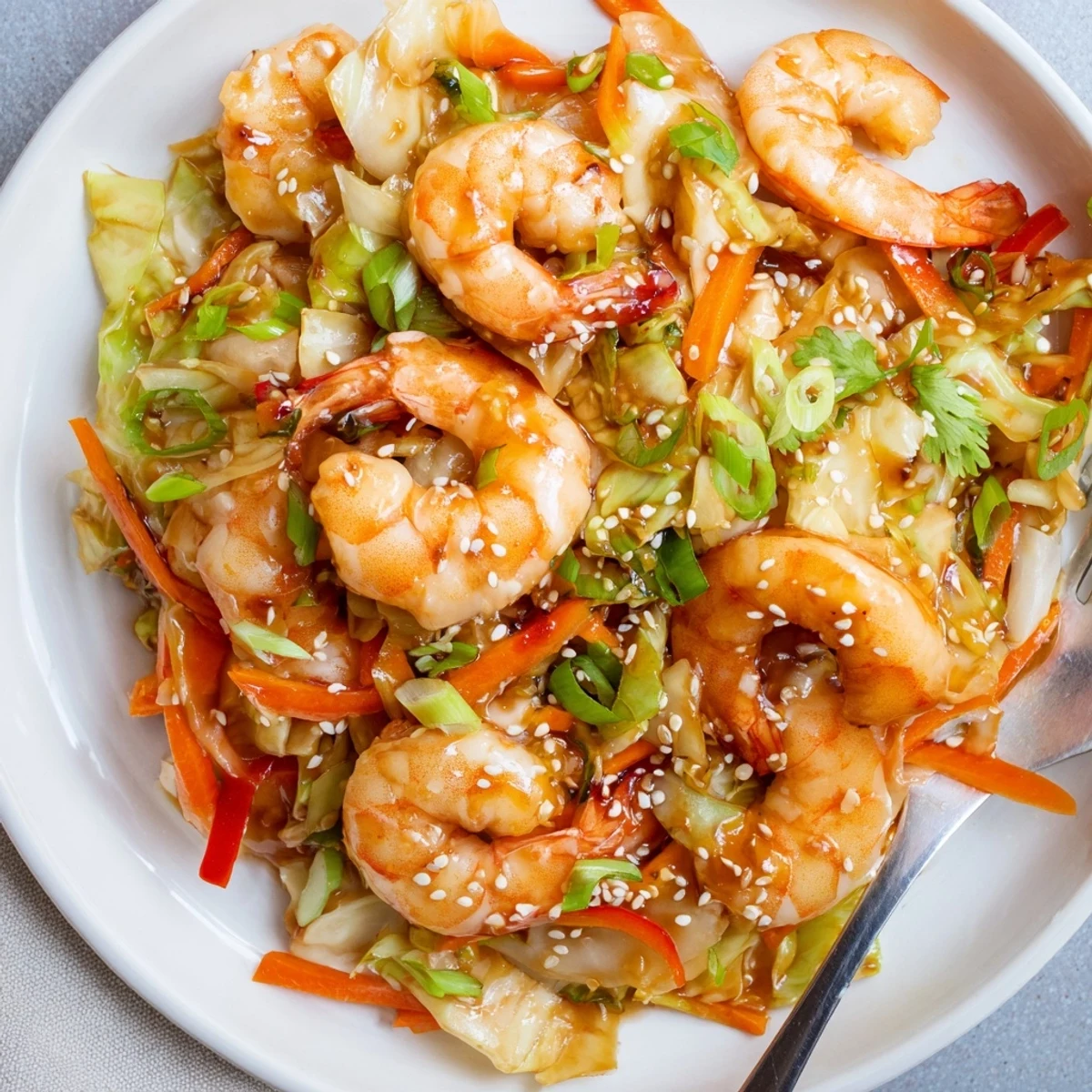
 Succulent shrimp are seared until just pink, then set aside while garlic and ginger soften. Thinly sliced cabbage, julienned carrot and bell pepper are stir-fried until crisp-tender, then tossed back with shrimp and a savory soy-oyster rice vinegar sauce scented with sesame oil and a touch of honey. Ready in about 25 minutes; serve with steamed rice or cauliflower rice and garnish with sesame seeds and green onions.
The sizzle of shrimp hitting a screaming hot wok is one of those sounds that instantly transports me to the tiny kitchen of my first apartment, where I discovered that dinner didnt need to take an hour to feel special.
My friend Lisa stopped by one Tuesday evening looking exhausted, and I threw this together with whatever was wilting in my crisper drawer.
Ingredients
- 1 lb large shrimp, peeled and deveined: Fresh or frozen both work beautifully, just pat them completely dry so they sear instead of steam.
- 4 cups green cabbage, thinly sliced: Slice it thin and at an angle for the best texture, it should almost shimmer in the light.
- 1 medium carrot, julienned: Cut them thin and uniform so they cook evenly alongside the cabbage.
- 1 red bell pepper, thinly sliced: The sweetness balances the salty depth of the sauce perfectly.
- 3 green onions, sliced: Save the dark green parts for garnish at the very end.
- 2 cloves garlic, minced: Fresh garlic only, the jarred stuff loses too much punch in a quick stir fry.
- 1 inch fresh ginger, grated: Use the edge of a spoon to peel it, then grate directly into the pan for maximum juice.
- 3 tbsp soy sauce: Tamari works if you need gluten free, and honestly I sometimes prefer its deeper flavor.
- 1 tbsp oyster sauce: This is the secret weapon that makes everything taste restaurant quality.
- 1 tbsp rice vinegar: Just enough brightness to keep the sauce from feeling heavy.
- 2 tsp sesame oil: Add it to the sauce, not the pan, because it burns easily and turns bitter.
- 1 tsp honey or brown sugar: A whisper of sweetness rounds out every edge.
- 1/4 tsp crushed red pepper flakes: Optional, but I always add them for a gentle warmth that builds.
- 2 tbsp vegetable oil: Divide it between cooking the shrimp and the vegetables so nothing sticks.
- Toasted sesame seeds and fresh cilantro: For finishing, because we eat with our eyes first.
Instructions
- Whisk the sauce together:
- Combine soy sauce, oyster sauce, rice vinegar, sesame oil, honey, and red pepper flakes in a small bowl and set it right next to the stove where you can grab it fast.
- Sear the shrimp:
- Heat one tablespoon of oil in your wok over medium high until it shimmers, then toss in the shrimp and cook for two to three minutes until they curl and turn pink, then immediately pull them out.
- Wake up the aromatics:
- Add the remaining oil, throw in the garlic and ginger, and stir for about thirty seconds until your entire kitchen smells incredible.
- Toss the vegetables:
- Add cabbage, carrot, and bell pepper all at once and keep everything moving for three to four minutes, just until the cabbage softens slightly but still has crunch.
- Bring it all home:
- Slide the shrimp back in, pour the sauce over everything, and toss vigorously for one to two minutes until every strand of cabbage glistens.
- Finish and serve:
- Kill the heat, scatter green onions, sesame seeds, and cilantro over the top, and get it to the table while its still steaming.
 Save to Pinterest
 Lisa ate two bowls that night and texted me the next morning asking for the recipe, which is honestly the highest compliment I know.
Making It Your Own
The beauty of a stir fry is its forgiveness, so toss in mushrooms, snap peas, or broccoli florets if they are lurking in your fridge waiting for a purpose.
Serving Suggestions
Spoon it over steamed jasmine rice for a classic bowl, or pile it onto cauliflower rice if you want to keep things light and low carb.
Getting the Texture Right
The difference between a good stir fry and a great one is all in the heat and the timing.
- Your wok needs to be hot enough that a drop of water evaporates almost instantly.
- Crowd the pan and everything steams instead of frying, so work in batches if needed.
- Taste the sauce before adding it and adjust the sweetness or heat to match your mood.
 Save to Pinterest
 Some weeknights you just need dinner to be fast, colorful, and a little bit exciting, and this one always answers.
Your Recipe Questions Answered
- → How long should I cook the shrimp?
-
Cook large shrimp 2–3 minutes over medium-high heat until pink and opaque. Remove them early and add back at the end to avoid overcooking and a rubbery texture.
- → Which type of cabbage works best?
-
Green cabbage gives a nice crunch and holds up to high heat. Napa cabbage softens faster and is milder—reduce cook time slightly if using Napa.
- → How can I make this gluten-free?
-
Swap regular soy sauce for tamari or a gluten-free soy alternative and check that the oyster sauce is labeled gluten-free, or replace it with fish sauce and a bit of sugar.
- → Can I add other vegetables?
-
Yes—snap peas, broccoli florets, mushrooms or bok choy are great additions. Add denser vegetables earlier and delicate ones near the end to keep their texture.
- → What’s the best way to reheat leftovers?
-
Reheat gently in a hot skillet with a splash of oil or water, tossing until warmed through to preserve texture. Avoid microwaving for too long to prevent soggy cabbage and chewy shrimp.
- → How do I adjust the heat level?
-
Increase crushed red pepper flakes, add sliced fresh chilies, or drizzle sriracha when tossing with the sauce. Start small and taste to reach the desired spice.